Apr 16, 2021
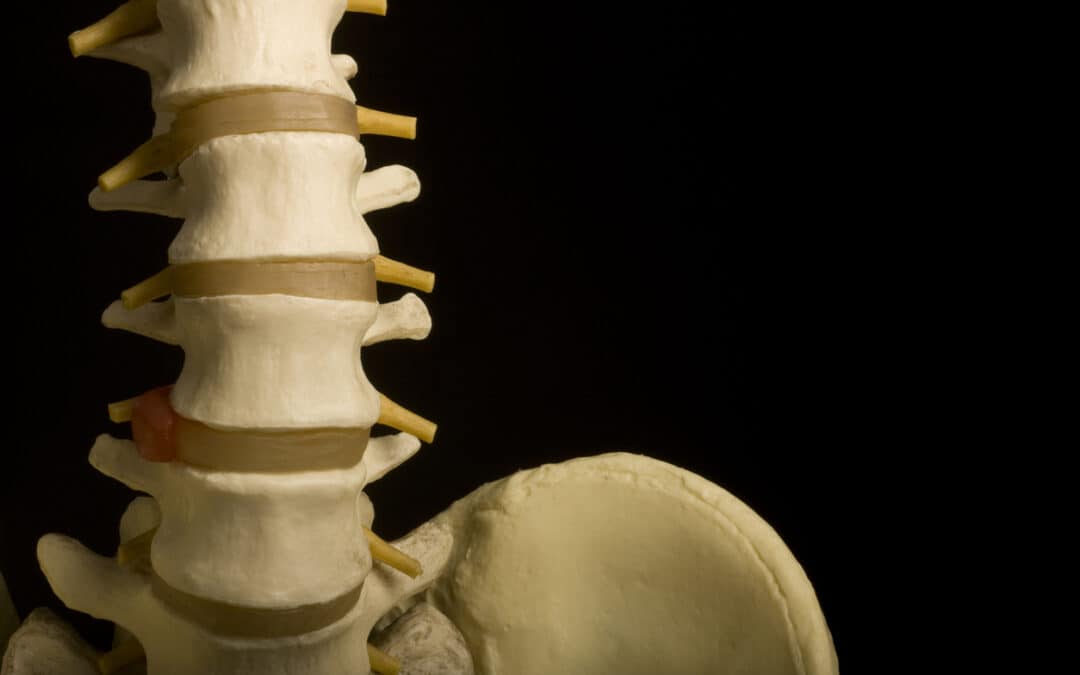
Facet joints are small joints that connect the bones of the spine called vertebrae. They come in pairs on each side of the vertebral bones. They allow for motion of the spine like bending and twisting. The orientation of the facet joint dictates the direction of the motion it allows.
There are various causes of pain coming from the facet joint. Similar to the joints in your arms and legs, the facet joints are prone to wear and tear. They can develop degenerative changes or joint osteoarthritis. This is a common condition in older people. The capsule surrounding the facet joint, which is made of ligaments and connective tissue, can be overstretched creating a sprain injury. Autoimmune or Inflammatory conditions like rheumatoid arthritis can also affect the facet joints by causing inflammation and deterioration.
Pain in the facet joints are typically felt in the local region of the affected joint segmetns. The pain can be felt close to the midline in the neck, upper back, mid-back or low back. Sometimes the pain is referred to the head, shoulder blade, shoulder, thigh or buttock. Stiffness, grinding in the joints (crepitus) and muscle spasm are other symptoms associated with facet joint disorders.
The standard treatment for facet joint pain include a course of physical therapy, non-steroidal anti-inflammatory medications, pain relieving medications, and home exercise program. When conservative measures fail, injection therapy to the facet joints or to the nerves leading to the facet joints can be helpful.
What is a Facet Joint Injection?
Facet joint injection is a minimally invasive procedure that is performed in an outpatient medical clinic. Local anesthesia is typically used in the procedure. There is no need for sedation in most cases. The procedure is performed under fluoroscopic (live digital x-ray) guidance. The typical substances that are injected to the facet joint are steroid medication to decrease inflammation and local anesthesia to provide immediate pain relief. The effects of these medications can provide temporary pain relief that typically last for 3-4 months.
Another injection that can provide pain relief does not involve injection to the joint, rather it involves the injection of numbing agents to the pain transmitting nerves (medial branch) called a nerve block. If this procedure results to a positive reponse, another procedure called Radiofrequency Ablation (RFA) can be performed. This involves inducing a heat lesion to the medial branches to prevent transmission of pain signals to the brain.
The use of Orthobiologics is an alternative treatment to facet joint conditions. Although the research on these treatments for spinal conditions is relatively new, it has the potential to improve arthritis and provide long term pain relief.
Risks Associated with the Facet Joint Injection Procedure
Facet joint injections are relatively safe with minimal risks. Risks associated with this procedure may include:
- Discomfort at the Injection Site: These effects are temporary and typically resolve in a few hours.
- Adverse reaction to medications: Some of the medications used in the procedure can cause adverse reaction in susceptible individuals. It is important to review your medications with your physician prior to the procedure. Severe allergic reactions are rare.
- Bleeding: Patients who are taking blood thinners or have a bleeding disorder are at risk for bleeding when undergoing an injection procedure. Blood thinners are typically stopped for 3-5 days prior to the procedure, with the permission of your primary doctor, to avoid this risk.
- Infection: Infection is rare when the procedure is performed under strict sterile protocols and proper procedure technique.
Sources:
https://www.ncbi.nlm.nih.gov/pmc/articles/PMC1905869/
http://www.ajnr.org/content/33/8/1419
https://www.ncbi.nlm.nih.gov/pmc/articles/PMC6206372/
Apr 2, 2021
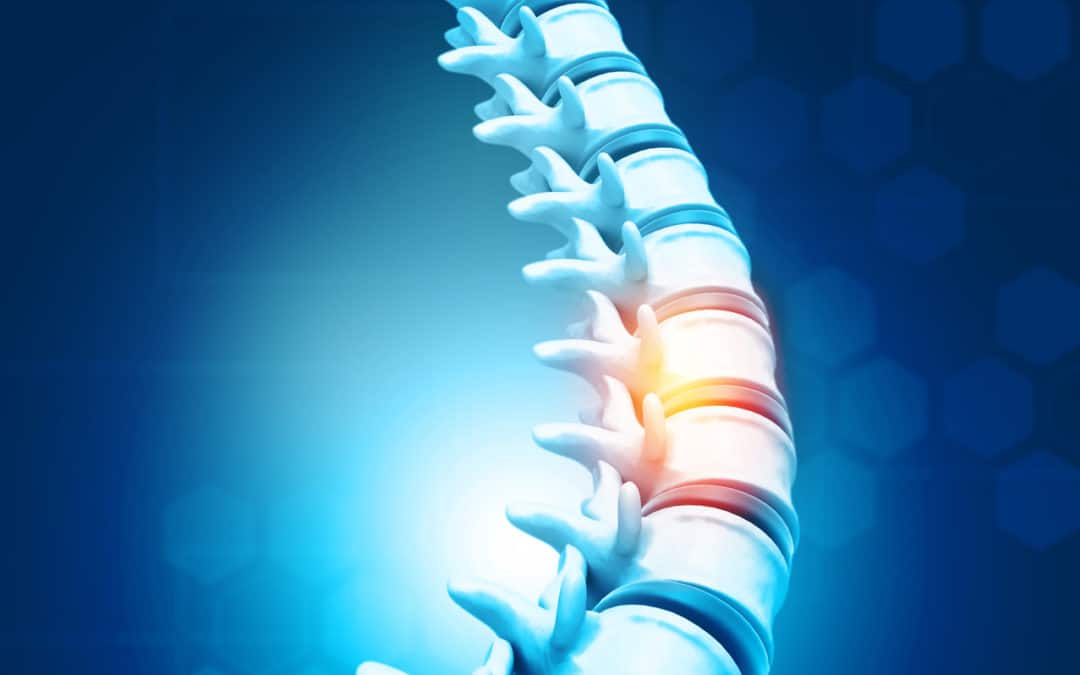
Epidural steroid injection (ESI) is a minimally invasive procedure to help reduce inflammation and pain caused by spinal nerve root irritation. The spinal nerve can be irritated by compression caused by herniated discs, bone spurs, or narrowing of the spinal canal otherwise known as spinal stenosis. Pain, tingling, numbness, or weakness along the nerve distribution in the arms or legs are typical symptoms and are referred to as radiculopathy. This pain can persist for years if left untreated.
The goal of an epidural steroid injection is to help reduce inflammation along the nerve root. The procedure aims to reduce pain so patients can return to normal activity and participate in a rehabilitation program to strengthen the spine.
What is an Epidural Steroid Injection?
Epidural Steroid injections (ESI) involve injecting a solution of medication in the area between the bone and the protective layer of the spinal nerve called the epidural space. The medications consist of a potent anti-inflammatory called corticosteroids and a numbing agent like lidocaine.
Epidural steroid injections may be performed in the neck (cervical), middle back (thoracic), or lower back (lumbar). The injection is performed through the nerve canals on the side of the spine (transforaminal epidural injection) or through the middle of the spine (interlaminar epidural steroid injection).
What are the indications for this Injection?
Epidural steroid injections are used in patients who suffer from pain in the neck, mid-back, or low back which can radiate to the arms or legs. Patients who have the following conditions are candidates for epidural steroid injections:
- Spinal Stenosis – narrowing of the spinal canal and nerve root canal.
- Herniated Disc – the cushion between bones in the spine, called the intervertebral disc, can bulge or rupture through small tears and cause inflammation in the nearby spinal nerve.
- Degenerative Disc – breakdown or aging of the spinal disc can cause a collapse of the disc, formation of bone spurs, and narrowing of the spinal canal.
- Radiculopathy– irritation of spinal nerves due to nerve canal narrowing, disc bulge, or compression which causes pain to travel into the arms or legs, also known as “sciatica”.
An epidural steroid injection can also be used to determine whether surgery will be successful in patients who have a herniated disc.
Risks Involved with Epidural Steroid Injections
ESI procedures have been performed for many years and are considered safe and effective. Although uncommon, some patients may experience temporary side effects from the steroid medication in the form of facial flushing, insomnia, or irritability.
Serious complications are very rare, which may include an allergic reaction to the medications or contrast dye used, infection, nerve damage, or bleeding. When this procedure is performed properly with fluoroscopic guidance, the risks are minimized. This procedure is typically well tolerated by most patients and provides immediate relief that may last for up to 6 months.
For patients who are unable to obtain long-lasting pain relief or who wish to avoid the use of steroids, natural treatment options exist. These treatments use your own cells, helping with pain, and even may heal your injury. For more information, visit our website to learn more about PRP and cell therapy treatments.
Feb 5, 2021
The researchers and scientists of the International Human Genome Project first mapped our full genetic blueprint 18 years ago.[i] Their breakthrough efforts enable numerous advances in how we treat and prevent various diseases and orthopedic conditions.
The Human Genome roadmap allows us to better understand the genes that are associated with certain diseases and how these genes can predispose a person to develop these diseases. It can also help in understanding how genes can be altered to improve disease processes.
In the field of orthopedics, a group of scientists at Stanford University discovered a biological indicator of cartilage degeneration and inflammation in patients with arthritis, disc degeneration, and sciatica. This molecular complex is called the Fibronectin-Aggrecan Complex or FAC.
Alpha-2-Macroglobulin (A2M) is a Master Protease Inhibitor
Having identified the FAC molecular complex, the Stanford team recognized how this biomarker could be used in conjunction with a naturally-occurring blood protein called Alpha-2 Macroglobulin or A2M to improve the effectiveness of treatments for degenerative disc disease and joint arthritis. The FAC can be measured to predict which patients will have the best results with A2M therapy.
A2M inhibits the breakdown of collagen in cartilage and has been scientifically proven to stop the progression of joint cartilage and disc degeneration. It is known as a Master Protease Inhibitor. It inhibits proteases, which are enzymes that breaks down proteins in cartilage. Much like a levee along a rising river, it “holds back” and prevents damage to tissues.
How A2M therapy Works
A2M therapy is a non-invasive treatment performed on an outpatient basis. After conducting a complete examination, your physician will determine if you are a good candidate for this treatment. Further imaging studies such as x-ray, ultrasound, or MRI may be necessary to determine the cause of your pain.
The A2M procedure starts with a simple blood draw from the arm. The treatment is autologous, which means the A2M is derived from the patient’s own body. There are no donor products used. The blood is concentrated using an FDA-approved device in our lab. After numbing the treatment area, the concentrated A2M is injected on the same day. Digital x-ray or ultrasound guidance will be used to make the treatment comfortable, safe and precise.
Currently, this breakthrough treatment is only being offered by a select number of physicians across the country. By screening patients for these treatments, regenerative medicine specialists are able to offer targeted A2M treatment to appropriate patients. This gives patients new hope for relief of pain and inflammation due to common orthopedic conditions.
Drs. Christopher Rogers and Mary A. Ambach of San Diego Orthobiologics Medical Group are two of just a handful of physicians in San Diego who offer A2M therapy for their patients. They have found this and other new regenerative medicine therapies valuable for the treatment of pain and inflammation associated with arthritic joints and disc degeneration.
Sources:
[i] https://www.genome.gov/human-genome-project#:~:text=Beginning%20on%20October%201%2C%201990,is%20the%20Human%20Genome%20Project%3F
https://cytonics.com/
https://sdomg.com/master-protease-inhibitor-a2m/

Sep 3, 2020
You may have seen stories in the news about the potential of cell therapy to treat severe cases of COVID-19. One story in particular mentioned positive results of an experimental study of stem cells with the patient mortality rate decreasing from 85 percent to 15 percent.[i] Stem cell therapy has been shown to have regenerative, anti-inflammatory and immunomodulating properties. Although this patient sample was very small, this is yet another reminder that cell therapy has moved to the forefront of medicine.
Bone marrow transplantation for blood diseases has been in use for more than 40 years[ii], but more recently has been used to treat orthopedic injuries including joint degeneration and pain.
Why Do My Joints Hurt?
It is not uncommon to experience pain in the shoulders, elbows, knees or hips. Sometimes even the toe joints can hurt. Whether big or small, painful joints can make daily activities difficult and significantly impact your quality of life.
Pain in the joints may result from several different conditions. These include:
· Osteoarthritis: a condition that develops when the cartilage in the joints begins to break down. It often occurs as a result of trauma, aging, obesity or genetic factors.
· Tears or sprains to soft tissues surrounding the joint such as muscles, tendons and ligaments.
· Chronic inflammation due to autoimmune diseases such as lupus or rheumatoid arthritis.
The good news is that cell therapies that use a patient’s own blood, bone marrow or adipose (fat tissue) have proven to be effective at treating joint pain without surgery or extended rehabilitation.
Fat Cells or Bone Marrow Cells?
Cell therapy is derived from two major sources of cells, adipose (fat) cells and bone marrow cells. Each can be easily obtained in the clinic, but the two offer different healing properties.
Adipose-derived cells are taken from the abdomen, flank or thighs. These cells can repair and replace damaged or injured tissue. The specialized healing cells are called pericytes and they direct other cells to form new blood vessels, awaken stem cells and stimulate the growth of new tissues such as cartilage, bone and tendon. They also secrete powerful anti-inflammatory and pain relieving molecules.
Bone marrow cells can be used for injury recovery and more rapid healing. That’s because bone marrow contains cells that have the ability to improve circulation, decrease inflammation and regenerate healthy tendons, ligaments and cartilage.
How Effective is Cell Based Therapy?
Like all medical treatments, outcomes are significantly impacted by several factors, including:
· The extent of the damage being treated.
· The patient’s overall health prior to the procedure.
· How the orthobiologics are prepared for treatment.
· For many patients, however, using adipose and bone marrow cells to treat orthopedic injuries is highly effective and does not present many of the risks associated with traditional invasive surgery.
The procedure is performed on an out-patient basis in the physician’s office. Most patients require only a single treatment and many are able to resume their normal activities within days.
San Diego Orthobiologics Medical Group is one of only six clinics in the U.S. to participate in a first-of- its-kind FDA-approved clinical trial to treat knee osteoarthritis using a patient’s own fat-derived stem cells.
Drs. Christopher Rogers and Mary Ambach of San Diego Orthobiologics Medical Group were chosen based on their extensive experience with cell therapy to treat orthopedic conditions.
Sources:
[i] News – Medical: Study: Cellular Therapy Can Improve Severe Cases of COVID-19
[ii] Hopkins Medicine: Research: Cell Therapy
Aug 28, 2020
The liquid portion of blood called plasma has been used for several years to help patients facing life-threatening conditions such as immune deficiency disorders and organ transplantation. Because it has helped treat so many chronic and rare diseases, it has been referred to as “the gift of life.”[i]
More recently, physicians have discovered that a patient’s own plasma and its’ cells can help expedite the recovery from orthopedic injuries. Platelet rich plasma treatments, known as PRP, use the healing power of platelets to harness growth factors and other proteins that are essential for healing.
How Platelet Rich Plasma Treatment Works
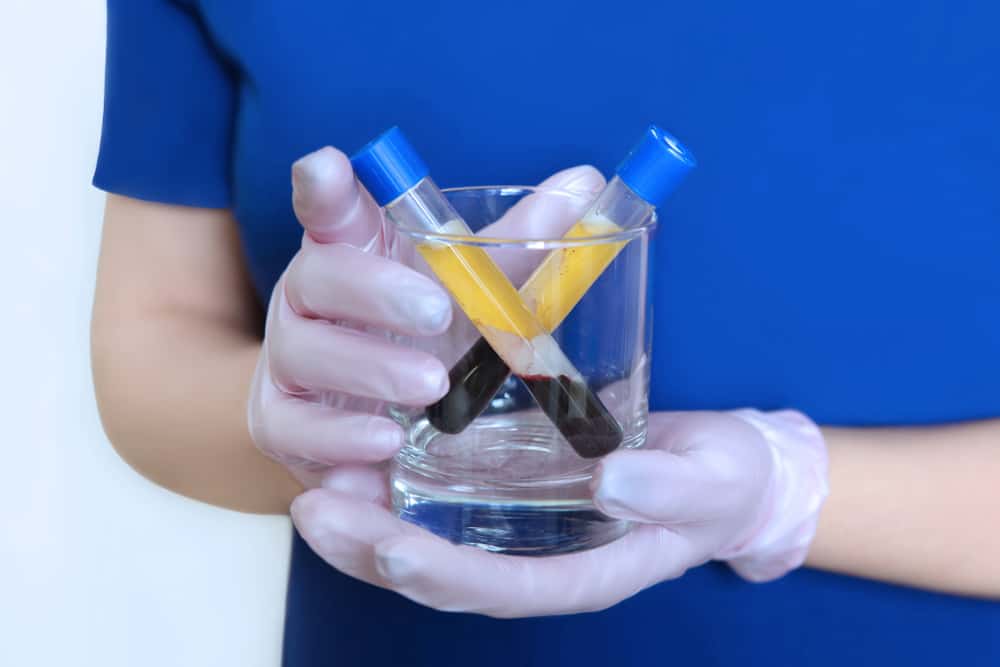
Blood is comprised of red blood cells, white blood cells,platelets and plasma. The plasma contains hormones, electrolytes and nutrients that are needed to nourish cells during the healing process.
During platelet rich plasma treatment, the patient’s own blood is drawn and placed in a centrifuge machine where the platelets are separated and concentrated. This results in a PRP solution that contains up to 10 times more platelets than that typically found in blood.[ii] With its super-charged healing capabilities, platelet rich plasma can be used to treat a number of orthopedic conditions, including:
· Joint arthritis (knee, shoulder, hip, thumb or spine)
· Injured tendons like rotator cuff tendon, Tennis elbow and Achilles tendon
· Ligament sprains in the wrist, ankle or sacroiliac joints
· Carpal tunnel syndrome
· Degenerated discs, mild spinal stenosis and sciatica
Not All PRP Treatments Are the Same
When it comes to platelet rich plasma treatment, one size does not fit all. Several factors can influence the success rate of treatment:
· The patient must receive an accurate diagnosis.
· Image guidance with ultrasound or fluoroscopy (x-ray) for targeted delivery to the injured tissues is necessary.
· The PRP formulation must be customized to the specific injury being treated.
· The initial injury severity must be considered.
When administered appropriately and in the right formulation for the specific injury, most patients begin to experience results within four to eight weeks after platelet rich plasma treatment. About 10% of patients will feel relief within days.
PRP treatments are performed on an out-patient basis in the physician’s office. There is no need for hospitalization or lengthy rehabilitation. The entire procedure takes less than an hour and patients may typically resume normal activity within days.
Dr. Christopher Rogers of San Diego Orthobiologics Medical Group performed one of the first PRP treatments in San Diego in 2009. He and Dr. Mary Ambach are experts in the field of regenerative therapy for orthopedic injuries. They have successfully treated thousands of patients with PRP and other orthobiologics.
Sources:
[i] Donating Plasma: What is Plasma
[ii] OrthoInfo: Platelet Rich Plasma

Aug 19, 2020
Pain and stiffness due to arthritis has long been considered something that normally comes with age. But new research indicates that the disease has affected younger people too at an increasing rate. The Arthritis Foundation reported that among those aged 18 to 64, nearly one in three have doctor-diagnosed arthritis and/or report joint symptoms consistent with a diagnosis of arthritis in both men and women.[i]
Osteoarthritis occurs when the cartilage that cushions the bones in the joints begins to break down. This is often a result of life-long wear and tear, but overuse from repetitive motions and activities may lead to earlier development of this painful condition.
Are You at Risk for Developing Osteoarthritis?
The odds of developing osteoarthritis increase with age and repetitive use, but there are several other factors that can increase a person’s risk for joint degeneration including:
- Genetics: Some people inherit a tendency to develop osteoarthritis.
- Gender: Women are more likely to develop osteoarthritis than men for ill-defined reasons.
- Obesity: Extra pounds put stress on weight-bearing joints, such as your hips and knees.
- Previous Injury: Joints injured by an accident or surgery, are more prone to developing osteoarthritis.
- Other medical conditions: Systemic diseases such as diabetes and hemochromatosis (a condition that causes the body to retain too much iron) are at higher risk too.
Addressing the Pain Without Surgery
The field of regenerative medicine has made great strides in the development of non-surgical treatments for patients suffering with painful joints due to osteoarthritis. These treatments use a patient’s own cells and tissues to stimulate the body’s ability to repair damaged joints and encourage the growth of new tissue, such as cartilage, bone and tendon.
These minimally-invasive treatments are performed using advanced image guidance to deliver cellular therapy to the affected areas with high precision. They are performed in the medical clinic allowing patients to return home within an hour or two of their treatment.
Such innovative therapies include:
- Prolotherapy which stimulates the body’s natural healing mechanisms to produce new tissue by employing a sugar based solution called dextrose.
- Platelet Rich Plasma (PRP) therapy that selectively concentrates platelets and growth factors in the blood to create a customized healing treatment.
- Bone Marrow Aspiration Concentrate (BMAC) which uses stem cells, platelets and other substances in the patient’s bone marrow that improve circulation, decrease excessive inflammation and regenerate healthy tissue.
- Lipogems that enables cells within the adipose (fat) tissue to work together as a functional unit and repairs, reconstructs and replaces damaged tissues.
- Master Protease Inhibitor (Alpha 2 Macroglobulin or A2M) which uses a substance found in a patient’s own blood to stop the progression of joint degeneration and decrease inflammation.
Which Treatment is Right for Me?
Arthritis sufferers who are considering regenerative treatments should consult with a qualified physician who has the training and skills to perform these procedures safely and effectively. These physicians are board-certified in physical medicine and rehabilitation (PM&R), sports medicine or orthopedics and have advanced training in regenerative medicine. They can help you determine which treatment is most appropriate based on your goals and specific medical condition.
Another important factor to consider is the source of the regenerative products. Practices that use autologous cells and tissue from a patient’s own body are permitted by the FDA when used in accordance with their guidelines. Clinics that use donor birth tissue products, such as umbilical cord blood, amniotic fluid or exosomes put their patients at risk for infection or immune reactions because these materials are foreign to a patient’s own body. The FDA does not permit the use of such products because they have not been proven to be safe or effective.
Those who once considered joint replacement surgery as their only option to manage the pain of osteoarthritis should carefully review these new regenerative treatment options. They can offer years of pain relief that can delay or even avoid surgery.
Drs. Christopher J. Rogers and Mary A. Ambach are recognized experts and leaders in the field of regenerative medicine. They have published in the scientific literature and have trained hundreds of physicians at medical conferences around the world. Because of their extensive knowledge of treating orthopedic conditions with regenerative procedures, San Diego Orthobiologics Medical Group is one of only six clinics in the United States selected to participate in an FDA-approved clinical trial to treat knee osteoarthritis with stem cells.
Sources:
[i] Arthritis By the Numbers
