
May 6, 2022
Chronic hip pain can impair daily activities while affecting the patient’s quality of life. It can result in mild or severe physical discomfort around the hip area. The prevalence of hip pain increases with age. Chronic hip pain occurs due to an injury or a pre-existing condition like arthritis.
Symptoms of chronic hip pain in adults include soreness, tenderness, and decreased walking tolerance.
Conditions that cause chronic hip pain
Below are some of the conditions that can cause chronic hip pain:
1. Arthritis
Arthritis is a common cause of chronic long-term hip pain in adults. This condition results in stiff and tender joints, pain, and difficulty walking. Arthritis causes inflammation of the hip joint and the breakdown of the cartilage that covers the hip bones. Various types of arthritis that cause hip pain include:
- Osteoarthritis: occurs due to age-related wearing down of the joints’ cartilage. This results in stiffness, swelling, and pain in the hip.
- Rheumatoid arthritis: an autoimmune disorder in which your body attacks the protective lining around the joint, causing fluid build-up. Rheumatoid arthritis destroys joint cartilage and bone, causing chronic symptoms.
- Infectious arthritis: caused by a joint infection that destroys the cartilage.
2. Trochanteric Bursitis
Trochanteric bursitis occurs due to the inflammation of the bursa (a liquid-filled sack close to the hip joint). Joint overuse, hip injury, and posture problems are the common causes of trochanteric bursitis. Repetitive activities can irritate or overwork the hip joint causing inflammation of the bursa.
Although people of all ages can suffer from trochanteric bursitis, the condition is prevalent in middle-aged and older people.
3. Labral Tears
The labrum is the cartilage ring that keeps the thighbone ball in place. Labral tears are common in athletes and ballerinas and cause chronic hip limiting movement.
When you have labral tears, you feel like your hip is locking, clicking, or catching. Usually, pain from labral tears doesn’t go away.
4. Tendinitis/Tendinopathy
Inflammation or degeneration of the tendon are common in older adults and can cause chronic hip pain. Those suffering from tendon injury experience pain, especially when moving the affected hip, mild swelling, and tenderness.
Some causes of tendinitis or tendinopathy include repetitive motions, awkward positions, forceful exertions, and engaging in sports activities.
5. Hip Fracture
Hip fractures are cracks and breaks in the femur – the thigh bone close to the hip joint. An injury or a fall to the side of the hip may cause a hip fracture. Sometimes, hip fractures occur due to health conditions like osteoporosis or cancer that weaken the bones.
Older adults are more likely to get hip fractures, resulting in chronic hip pain. Hip fractures result in sudden and severe hip pain, often requiring immediate medical attention. In most cases, patients require surgery to correct hip fractures and alleviate chronic hip pain.
6. Bone Cancer
Bone cancers occur due to the abnormal growth of bone cells in your body. Chronic hip pain is one of the major symptoms of bone cancer in the hip. Some patients experience a mass or swelling in the hip.
Radiation exposure and hereditary factors have been linked to bone cancer that causes chronic hip pain.
Conclusion
Chronic hip pain is a condition mainly affecting older adults. This condition may hinder your daily activities and decrease your quality of life. Some conditions behind chronic hip pain include hip osteoarthritis, bursitis, and tendinopathy; most of these injuries respond well to regenerative treatments. If you experience any signs of chronic hip pain, seek immediate medical assistance. You can book an appointment with us by filling out this form.

Mar 18, 2022
Chronic back pain is common. So common that many of us just grin and bear it. We write it off as old age or bad posture.
Lower back pain reveals itself in many ways. It can be a deep, dull ache in your lower back. Or it can feel like tightness and spasms in and around that area. It can also be a stinging pain or accompanied by numbness or tingling in your legs or feet. No matter how it feels for you, lower back pain hurts.
7 Facts About Chronic Back Pain
1) There are several causes…
There are several causes of back pain. Some are minor and temporary, but others show a more serious, long-term problem. Causes can include:
- Muscle and ligament strain
- Bulging disks
- Arthritis
- Osteoporosis
- Sacroiliac joint inflammation
- Infection
- Tumors
If you’re unsure of the cause of your back pain, it’s important to find the right diagnosis. This will let you and your care team know which treatment will work best for you.
2) … and a lot of risk factors
While many of us can, and will, develop lower back pain, there are some risk factors we can avoid to lessen the likelihood or severity of the disorder. These risk factors include:
- Lifting objects incorrectly can cause strain on your lower back
- Lack of exercise weakens the muscles in your abdomen and back
- Being overweight adds extra stress to your back
- Mental health issues like depression and anxiety are linked to a higher risk for lower back pain
- Smoking can decrease blood flow to the spine as well as increase coughing, which strains the lower back
3) You can avoid little triggers
We can make several slight changes to ease the strain on our lower backs. They may seem like minor changes, but their benefits add up.
- Use a chair with good lower back support
- Arrange your monitor, keyboard, and other office equipment directly in front of you so you’re not twisting or sitting at an angle
- Take a 20 second break to stand up and stretch every 10 minutes to loosen up your joints and muscles
- Avoid tight clothing such as jeans that are too tight which can get in the way of moving, sitting, and bending normally
- Ditch those high heels for a heel that’s an inch or less. This keeps your center of gravity where it should be and avoids your body from compensating
4) You’re not alone
The Mayo Clinic reports that within the past three months, 1 out of 4 adults have reported experiencing back pain. More than that, over 80% of us will experience lower back pain in our lives. It’s also the second most common reason people have for visiting their doctor.
That’s a lot of people struggling with pain. Suffering from lower back pain can feel isolating, so it’s worth remembering that you’re not alone. Reach out to your doctor or look for support groups in your area to find that bit of extra support from those who understand your pain.
5) Be careful of opioids
It’s all too easy to rely on medication to treat lower back pain. However, pain relief pills, especially opioids, only treat the symptom and not the cause. Opioids include oxycodone, codeine, hydrocodone, and morphine. Using and abusing opioids often leads to addiction problems and sometimes even fatal overdoses.
If you find yourself struggling to manage your opioid medications or feel that you depend on them, reach out to your doctor or other health care professional for more information and advice.
6) There are a range of treatments available
There are several treatment options available besides medications which include:
- Physical therapy and conditioning exercise programs
- Weight loss
- Proper footwear
- Epidural Steroid Injections
- Facet Joint Injections
- Sacroiliac joint Injections
- Trigger Point Injections
- Platelet Rich Plasma Therapy (PRP) injections
- Prolotherapy injections
7) SDOMG can help
At San Diego Orthobiologics Medical Group, we offer a range of treatments, including the procedures listed above. We also offer medication management and education. Our focus is on interventional pain procedures as well as medication support to help control and relieve pain. Get in touch today, using the form below:
Jul 20, 2021
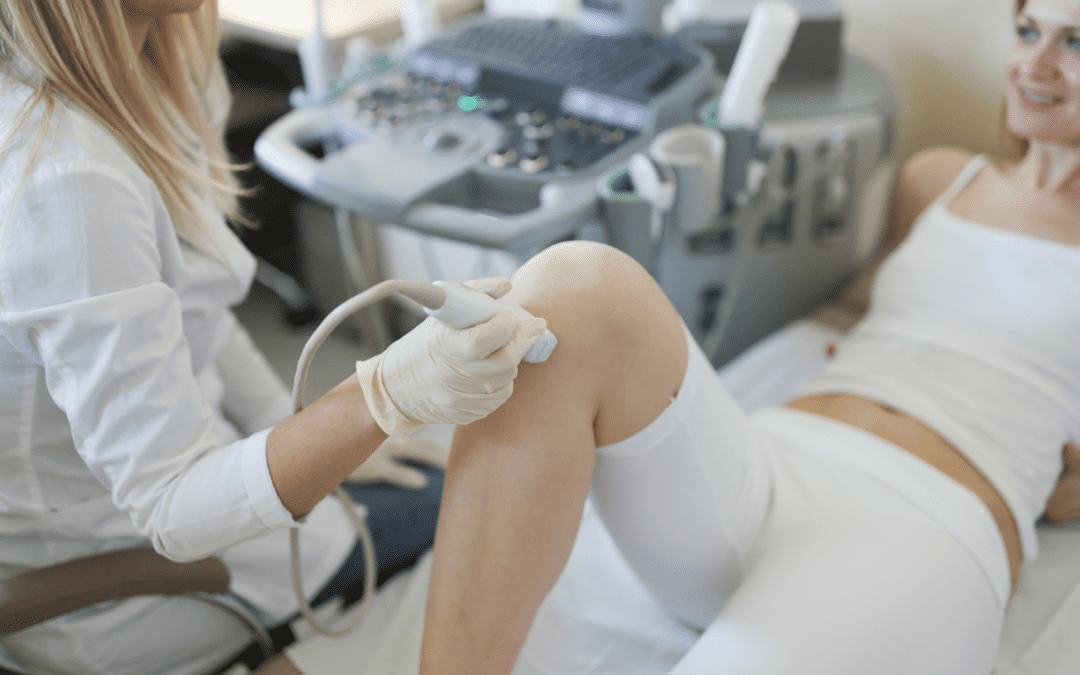
Orthopedic specialists often rely on imaging studies to get an “inside look” at the source of their patients’ pain. These studies include X-ray, MRI and CT scan imaging. Another imaging modality that has been instrumental in Regenerative medicine is Musculoskeletal ultrasound.
Ultrasounds capture images of the body’s tissues by using harmless high-frequency sound waves. It offers several distinct advantages to practitioners who treat orthopedic injuries.
How Musculoskeletal Ultrasound Is Different
- Muscle, tendon, ligament and joint movements can be assessed in real time.
- Tendon and ligament tears that are often missed with MRIs can be accurately diagnosed.
- Musculoskeletal ultrasound provides guidance which provides for greater accuracy, safety and comfort when performing joint, tendon and nerve injections.
- The healing effects of regenerative Platelet Rich Plasma or Cell-based therapeutic injections can be monitored and confirmed.
Not all orthopedic specialists are trained to perform musculoskeletal ultrasound. Dr. Chris Rogers and Dr. Mary Ambach of San Diego Orthobiologics Medical Group are specially trained in using musculoskeletal ultrasound to accurately diagnose and treat orthopedic conditions. They have a collective experience of more than 20 years in the use of this modality in the treatment of thousands of patients. Dr Rogers has the RMSK musculoskeletal ultrasonography certification and both physicians have mentored and trained physicians all over the world in the use of ultrasound in the practice of Regenerative medicine.
Why Don’t All Orthopedic Practices Use MSK?
It takes time, training and skills to learn the practice of musculoskeletal ultrasound. Once proficient, practitioners can take it one step further and get registered in musculoskeletal ultrasound imaging. To get the certification, practitioners must complete a rigorous exam and provide documentation of their clinical musculoskeletal ultrasound experience.[i]
The technology is expensive. San Diego Orthobiologics Medical Group has made a significant investment in the most advanced ultrasound equipment available. Our diagnostic musculoskeletal ultrasound lab provides the most detailed visualization possible of joints, tendons, ligaments, muscles and nerves. Combined with our medical expertise, this means SDOMG patients receive precise diagnoses and targeted treatments that deliver the powerful healing properties of orthobiologics right to the source of their pain and injury.
[i] https://www.apca.org/certifications-examinations/registered-in-musculoskeletal-sonography/
Fill out the form below to get in touch with our physicians.

May 28, 2021
More than 80 percent of adults will experience lower back pain at some point in their lives.1 It is the single most common cause of disability worldwide 2 and the second most common cause of adult disability in the United States. 3
Most cases of lower back pain have a benign clinical course which resolves with conservative care such as rest, activity modification, anti-inflammatories, heat or ice therapy, and physical therapy. Some, however, will develop chronic low back pain or pain that lasts for 3 months or longer.
Common Causes of Chronic Lower Back Pain
- Arthritis. Osteoarthritis of the spine is a condition where there is degeneration of the joints, discs, and bones in the spine as people age. Arthritis can lead to bone spurs which result in the narrowing of the space around the spinal nerves and spinal cord, a condition called spinal stenosis.
- Facet joint dysfunction: This occurs when the facet joints, the small joints that connect the individual bones in the spinal column, get inflamed or when the cartilage in the joints becomes injured or worn out. They can also get out of normal alignment, a condition called spondylolisthesis.
- Bulging or Ruptured Disc: The discs are soft, gel-filled structures that act as a cushion or shock absorbers between the vertebral bones in your spine. When these discs become injured, they can bulge out and can put pressure on neighboring nerves causing pain. As people age, discs lose their hydration and wear down leading to degeneration. Degenerative discs can develop tears and collapse which causes low back pain, muscle spasm, or spinal stenosis.
Other less common causes of low back pain include spinal cord problems, scoliosis, fracture, and non-spine sources like tumors and kidney stones. It is important that your physician perform a comprehensive evaluation of your medical history and physical examination to give you an appropriate diagnosis for your back pain.
Alternative Treatments
Patients who have failed standard treatments or are seeking alternatives to spine surgery for back pain should consider Regenerative therapies. These advanced treatments involve the use of your own cells to help your body heal faster. They avoid the risks and long-term complications associated with surgery and reduce pain to help you maintain an active lifestyle. Read about these regenerative treatment solutions here.
Sources:
- Sauver, JL et al. Why patients visit their doctors: Assessing the most prevalent conditions in a defined American population. Mayo Clinic Proceedings, Volume 88, Issue 1, 56–67.
- Hoy D, March L, Brooks P, et al The global burden of low back pain: estimates from the Global Burden of Disease 2010 study Annals of the Rheumatic Diseases Published Online First: 24 March 2014. doi: 10.1136/annrheumdis-2013-204428
- From the Centers for Disease Control and Prevention, Prevalence of disabilities and associated health conditions among adults—United States, 1999. JAMA 2001;285 (12) 1571- 1572

May 21, 2021
Osteoarthritis is the most common type of arthritis affecting 32.5 million Americans. It is a chronic disease that slowly degenerates the protective cartilage in your joints. For some people, symptoms are minimal. While for others, it can be disabling. The joints in the knees, hips, hands and spine are typically involved, although any joint in the body can be affected. Signs and symptoms of osteoarthritis vary, but there are early signs to watch out for that can help prompt for an early medical evaluation and subsequent treatment.
Early Warning Signs of Osteoarthritis
- Joint Pain: Pain typically worsens with activity or at the end of the day. Pain can be felt as a generalized ache in the joint or sharp sensation with certain motions.
- Swelling: Fluid accumulation inside the joint or inflammation of soft tissue around the joint can cause swelling.
- Joint Stiffness: Stiffness is typically felt early in the morning upon waking up or after a period of inactivity. The stiffness gets better after moving around and as the day progresses.
- Loss of Flexibility: You may lose full range of motion and can find it difficult to move the joint because of pain, swelling or stiffness.
- Abnormal Sensations: Popping, clicking or cracking sounds may be heard and grating sensations may be felt in the joint.
If you experience these symptoms regularly, seek consultation with your orthopedic doctor. A comprehensive medical evaluation and appropriate diagnostic testing by a board-certified physician is needed to accurately diagnose the cause of your joint pain. Read our blog and watch our webinar on the non-surgical treatment options and innovative therapies for osteoarthritis.

May 15, 2021
The intervertebral discs are gel filled structures in the spine that act as cushion in between the vertebral bones. Degenerative disc disease (DDD) is a common condition that results from wear and tear of the intervertebral discs. As we age, the discs deteriorate due to repetitive stress, increased load, and decrease in blood flow and nutrition to the discs. Degenerative changes in the discs include: annular tear (tear in the outer fibrous ring of the disc), herniation or bulge, decrease in height, drying out, stiffness and bone spurs.
Symptoms of Degenerative Disc Disease
The symptoms of degenerative disc disease are dependent on the disc that is involved and changes in the surrounding spinal structures as a result of, or associated with the degeneration. The most common symptom of degenerative disc disease is a continuous deep pain in the neck, midback or low back that occasionally flares up to a more intense, disabling pain. The episodes can last for a few days or several weeks, and typically recurs. The baseline pain is variable in individuals and can range from almost no pain, nagging ache or severe pain.
The pain typically gets worse with prolonged sitting, standing and walking. Twisting and bending the spine, or carrying heavy loads can also aggravate the pain in the back. Prolonged tilting of the head down while reading or working on the computer can worsen neck pain.
The pain can refer to the buttocks and hips when the lumbar spine is involved, or to the shoulder blade region when the cervical spine is involved. When the degenerated disc compresses or irritates the nearby spinal nerves, radiating pain can be felt in the buttocks, hips, legs and feet (lumbar disc degeneration); or in the shoudler, arm and hand (cervical disc degeneration). Individuals with disc problems can also experience muscle tightness or muscle spasms.
It is not uncommon to see degenerative changes in the spinal imaging of patients over 60 years old. Majority of these patients will not present with symptoms.These imaging findings must be interpreted in the context of the patient’s clinical condition.
Treatment Options for Degenerative Disc Disease
Nonsurgical Treatments Options
Majority of patients who develop symptoms from degenerative disc disease respond well to conservative treatments without the need for surgical intervention.
- Medications: Non-steroidal anti-inflammatory medications (NSAIDS) decrease the symptoms of pain and inflammation associated with this condition. Analgesic medications or muscle relaxants can be helpful when the symptoms are severe. Medications to decrease nerve-related pain, called “sciatica” in the lumbar spine, can also be beneficial.
- Physical Therapy: Therapeutic exercises to strengthen the supporting muscles, improve spinal alignment, flexibility and stability, are critical in healing the spine. A physical therapist can help teach proper exercises and educate on activity modifications to help prevent recurrence of symptoms and injuries.
- Regenerative Treatments: These are innovative, non-surgical treatments using cells from your own body to heal and repair orthopedic conditions. These cell therapies, called Platelet-rich plasma and Cell-based Therapies derived from Bone Marrow, have been shown to help treat spinal conditions and provide long-term relief.
Surgical Treatment Options
Surgery is an option when all conservative treatment options have failed, when there is severe, debilitating pain that interferes with daily function, or when there is worsening neurologic function. These surgeries may involve the removal of a bulging portion of the disc (discectomy), removal of a portion of the bone in the spinal canal (laminectomy), replacing the degenerated disc with an artificial disc, or spinal fusion.
For help with your back pain and degenerative disc disease, please contact the experts at San Diego Orthobiologics Medical Center.
