Jun 10, 2020
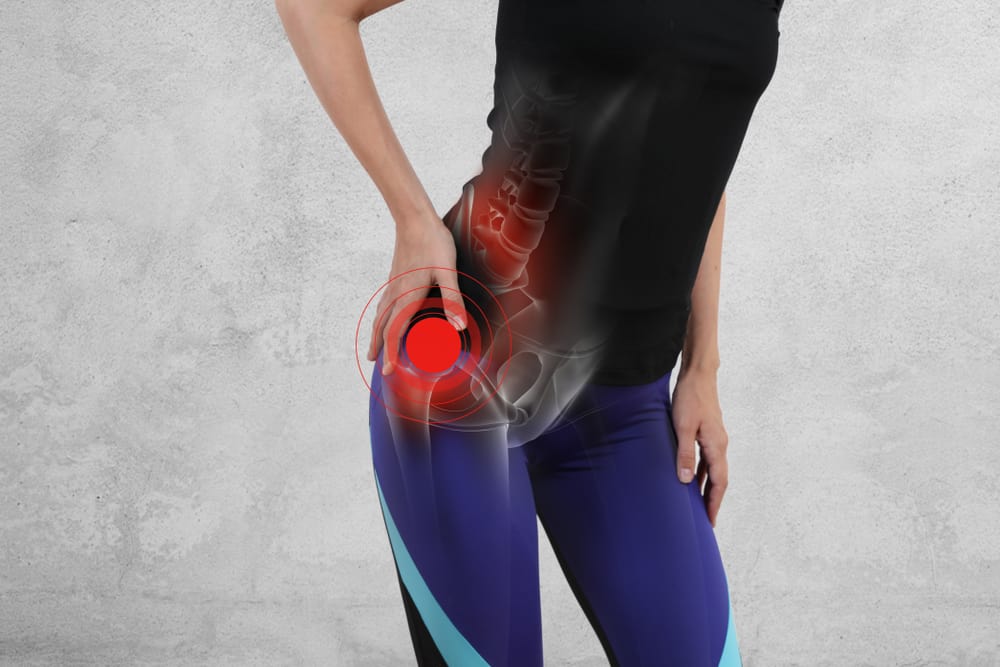
As one of the body’s largest joints, the hip gets its fair share of wear-and-tear over the years. The hip joint is a ball-and-socket joint, consisting of the femoral head at the top of the thighbone (ball) and the acetabulum in the pelvis bone (socket).
Chronic hip pain often develops in those over the age of 50, but can occur earlier, especially in those who are overweight or who have had a previous hip injury or surgery. Some people are born with abnormalities of the joint that put them at higher risk for hip issues as well.
Common symptoms of hip problems include:
- Groin pain
- Limping
- Decreased range of motion and stiffness
- Tenderness around the front or back of the hip
- Clicking, popping or locking of the joint
Why Do I Have Chronic Hip Pain?
Common causes of hip pain include:
- Osteoarthritis: chronic degeneration of the cartilage and inflammation of the hip tissues and joint fluid. The degeneration can be accelerated by trauma causing damage to the cartilage and subtle irregularities in how the hip developed in childhood.
- Bursitis: inflammation of the bursa, a fluid-filled sac that cushion the tendons overlying the bones
- Tendinitis and tendon tears: damage to the tendons in the hip, often from overuse or muscle weakness
- Labral tears: injury to the labrum, a soft cartilage tissue that surrounds the hip socket
- Sacroiliitis: Inflammation of the sacroiliac joints where your lower spine and pelvis connect.
- Avascular necrosis: impaired blood flow to the hip bone causes damage
The good news for patients suffering from chronic hip pain is that advances in regenerative medicine are giving hope to those who feared that total joint replacement therapy was their only option.
San Diego Orthobiologics Medical Group offers several advanced regenerative therapies for hip joint pain:
- Platelet Rich Plasma Therapy uses growth factors from the platelets in the patient’s own blood by releasing substances called growth factors concentrates platelets to stimulate tissue healing for degenerative joints and soft tissue injuries.
- ENDORET PRGF (platelet rich in growth factors) contains proteins that stimulate the tissue repair processes, including new blood vessel formation, cell mobilization and cell proliferation. PRGF can accelerate healing and minimize inflammation that reduces pain.
- Bone Marrow Aspirate Concentrate (BMAC): utilizes your own bone marrow which contains cells that have the ability to improve circulation, decrease inflammation and promote healing in tendons, ligaments and cartilage. BMAC provides highly concentrated regenerative cells to support a robust healing response through a simple office procedure.
- LIPOGEMS® is an FDA-compliant device for processing and same-day use of your own adipose tissue (fat) to treat joint and tendon injuries. Adipose tissue is a rich source of adipose derived stem cells and other regenerative orthobiologics.
- Prolotherapy, also known as “proliferative therapy,” delivers dextrose and other medications to help regenerate tissue and stimulate a healing response in a chronically injured ligament, tendon or joint. Prolotherapy is often combined with PRP therapy to expedite healing.
- Alpha 2 Microglobulin (A2M) uses uses orthobiologics from a patient’s own blood to stop the progression of joint degeneration, decrease inflammation and promote tissue healing.
These treatments offer better safety than most surgical procedures as they are minimally invasive and are performed in our office procedure suite. Patients do not require hospitalization, or a lengthy recovery. Many patients are able to resume normal activities within days of their treatment and see pain relief within weeks.
Drs. Christopher Rogers and Mary Ambach of San Diego Orthobiologics Medical Group are leaders in the field of regenerative medicine for orthopedic conditions. They were the first in San Diego to use Lipogems® as well as ENDORET PRGF therapy for the treatment of orthopedic conditions.
Sources:
https://orthoinfo.aaos.org/en/treatment/total-hip-replacement/
https://www.mayoclinic.org/diseases-conditions/sacroiliitis/symptoms-causes/syc-20350747
https://www.mayoclinic.org/symptoms/hip-pain/basics/causes/sym-20050684

Jun 2, 2020
What is Prolotherapy?
Prolotherapy (short for proliferative therapy) stimulates the body’s natural healing factors to strengthen and repair injured joints, ligaments and tendons. This minimally invasive procedure is used to address a number of musculoskeletal conditions including:
- Back pain due to degenerative disc disease, sacroiliac joint instability, facet joint syndrome and nerve pain
- Neck pain due to arthritis or whiplash injury
- Knee pain caused by osteoarthritis, meniscal tears or sprains
- Arm and shoulder pain as a result of arthritis, rotator cuff tendon tears, golfer’s elbow, tennis
- elbow and chronic tendonitis.
Studies have shown that 85 to 95 percent of patients with back pain experience improvement with prolotherapy. [i] Additional studies have also shown prolotherapy is successful for various ligament, tendon or joint pain/injuries, including knee arthritis. The Annals of Family Medicine reported that a randomized controlled trial of prolotherapy in patients with knee osteoarthritis resulted in clinically meaningful sustained improvement of pain, function, and stiffness.[ii]
How It Works
Prolotherapy stimulates the body’s natural healing mechanisms to produce new tissue. Using fluoroscopic (x-ray) guidance, the physician injects a mixture of local anesthetics and dextrose (a sugar-based solution) directly to the injured area. The dextrose works as an irritant to kick start the body’s natural healing response and encourages the growth of normal ligament and tendon fibers. This results in long-term healing and pain relief. In some cases, the treatment is repeated with the goal of restoring strength and stability without loss of flexibility and function. As the body heals the pain subsides, in most cases, permanently.
Prolotherapy, when used in lower concentrations, has also been shown to help with nerve pain by blocking nerve pain impulses. This can provide immediate pain relief to joint, nerve and soft tissue injuries.
For patients with advanced injury or degeneration, prolotherapy can be combined with Platelet Rich Plasma (PRP) and autologous (from the same person) adult regenerative cells to boost the regenerative process. Every formulation is specifically targeted to the patient’s unique needs.
Is Prolotherapy Safe?
In contrast to many medical treatments that may provide only temporary benefits, prolotherapy is a safe treatment that offers long-term relief.
Prolotherapy is an in-office procedure performed under local anesthetic. There is no hospitalization required, nor the need for extended rehabilitation. Most patients are able to resume their daily activities immediately. Even those who require additional treatments are likely to enjoy significant pain relief after just one treatment.
Like every other medical intervention, the success of prolotherapy can be impacted by the patient’s overall health as well as any underlying nutritional or genetic deficiencies that might make healing more difficult. It is important to talk with your doctor about the best methods to optimize your health and healing potential.
Dr. Christopher J. Rogers and Dr. Mary A. Ambach of San Diego Orthobiologics Medical Group are leaders in the field of regenerative medicine and have been performing prolotherapy with great success for decades. They serve as faculty members and lecturers at national and international medical conferences and serve on the board of directors for several regenerative medicine organizations. They have published scientific papers in the medical literature and are dedicated to excellent patient care and advancing the field of regenerative medicine.
Resources:
[i] https://prolotherapycollege.org/what-is-prolotherapy/
[ii] https://www.ncbi.nlm.nih.gov/pmc/articles/PMC3659139/
May 15, 2020
Regenerative Therapy for Chronic Back Pain
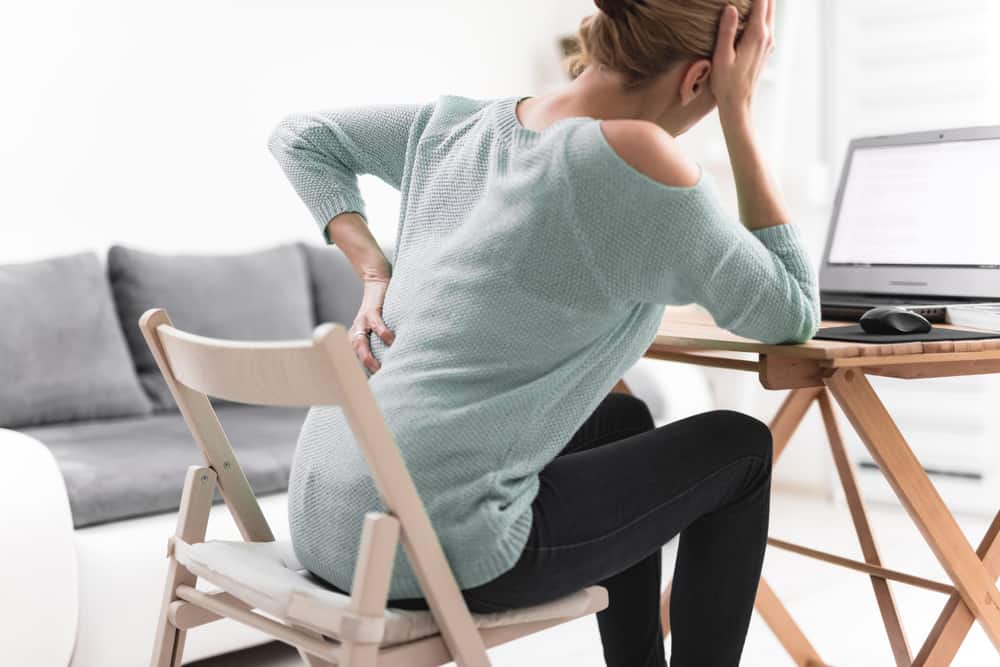
Low back pain is the fifth most common reason a patient visits their doctor. More than 90% of the population will experience at least one episode of low back pain during their lifetime. The social and economic impact of low back pain is significant and it is responsible for about 40% of missed work days in the US.
Causes of Back Pain
There are many different causes for low back pain. The pain can be acute or chronic in nature and may originate from an injury or degenerated tissues in the spine. Common causes of low back pain include:
- Back strain: This occurs when the spine is subjected to physical stress that is greater than what can be supported by the muscular and ligamentous structures. Repeated heavy lifting or sudden awkward movements can cause over-stretching or tearing of the ligaments, tendons or muscles in the spine causing pain.
- Arthritis. Osteoarthritis of the spine can lead to degeneration that is associated with the normal wear and tear of joints, discs and bones in the spine as people age. The arthritis can lead to bone spurs which result in narrowing of the space around the spinal nerves and spinal cord; a condition called spinal stenosis.
- Facet joint dysfunction: The spinal column consists of individual bones called vertebrae. They connect to one another at each level by two small facet joints. The joints promote movement and stability between the vertebral bodies. Pain occurs when the joints get inflamed or when the cartilage in the joints becomes injured or worn out.
- Bulging or Ruptured Disc: The discs are soft, gel filled structures that act as cushion or shock absorbers between the vertebral bones in your spine. The disc also connects the adjacent vertebrae together with strong fibrous tissue. When these discs become injured, they can bulge or the gel slips out and can put pressure on neighboring nerves causing pain. As people age, discs lose their hydration and wear down leading to degeneration. Degenerative discs can develop tears and collapse which causes low back pain, muscle spasm or spinal stenosis.
There are many other causes of low back pain including nerve and spinal cord problems, scoliosis, fracture and non-spine sources like tumor and kidney stones. It is important that your physician perform a comprehensive evaluation of your medical history and physical examination to give you an appropriate diagnosis for your back pain.
Non-Surgical Options for Back Pain Relief
There are hundreds of different forms of treatment for lower back pain, however no single treatment stands out as superior to any of the others. When conservative treatments fail to relieve pain, your doctor may feel compelled to consider surgery, however, the success rate of surgery is less than 60% for most causes of lower back pain and involves significant risk and recovery time. Fortunately, there are innovative, minimally invasive treatments available.
Advanced regenerative therapy may be the best solution for your back. These advanced treatments can help you heal faster. They avoid the risks and long-term complications associated with surgery and reduce pain to help you maintain an active lifestyle.
- Platelet Rich Plasma (PRP) therapy concentrates platelets, plasma and other substances found in your blood to create a customized healing treatment for degenerative facet joints, discs and nerve pain.
- Bone Marrow Aspiration Concentrate (BMAC) utilizes your own bone marrow which contains a rich reservoir of regenerative cells, multipotent stem cells and anti-inflammatory molecules designed to stimulate your body’s ability to improve circulation, decrease inflammation and regenerate tissues. This regenerative therapy can be used for disc tears, disc degeneration and facet joint arthritis.
- Master Protease Inhibitor (A2M) uses a natural substance found in your blood (Alpha 2 Macroglobulin) to stop the progression of joint degeneration and improve pain and inflammation in arthritic joints.
- Prolotherapy: Sugar containing medications that help regenerate tissue and relieve pain are injected into injured ligaments, tendons or joints to strengthen and improve stability in patients with osteoarthritis, ligament sprains, sacroiliac joint dysfunction and sports-related injuries.
Patients who have failed standard treatments or are seeking alternatives to spine surgery for neck and back pain should consider regenerative therapies. The research on the use of these therapies for certain conditions of the spine is very promising. However, much more research still needs to be completed. The doctors of San Diego Orthobiologics Medical Group contribute to advancing the science by participating in clinical trials and publishing articles on regenerative therapies for spine and other orthopedic conditions.
Advances in regenerative medicine offer new hope for long-term pain relief and improved quality of life.
San Diego Orthobiologics Medical Group is a leader in regenerative medicine therapies and offers a great variety of treatment options depending upon each patient’s unique needs. With decades of experience in the field of minimally invasive interventional treatments, Drs. Christopher J. Rogers and Mary A. Ambach are experts in the field of regenerative medicine. They serve as faculty members and lecturers at national and international medical conferences and serve on the board of directors for several national regenerative medicine organizations.
Mar 16, 2020
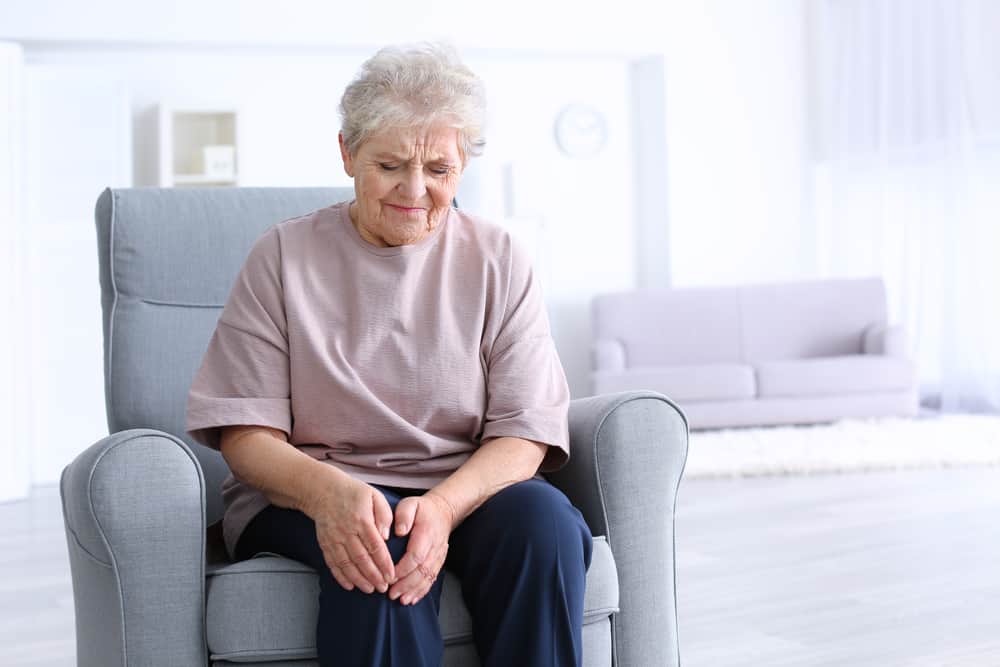
Osteoarthritis is the most common form of arthritis, affecting more than 27 million Americans. It is a chronic inflammatory disease that slowly degenerates the protective cartilage in your joints. The most commonly affected joints are the knee, hip, shoulder and thumb. Symptoms of osteoarthritis vary by individual, progress over time and are easiest to treat when treated early.
Watch out for these early signs of osteoarthritis:
- Joint Pain: This is often one of the first signs of osteoarthritis. Joint pain that worsens with activity and is relieved after a period of rest is suggestive of osteoarthritis. Patients may experience mild joint tenderness or debilitating pain that limits activities.
- Swelling: Natural joint fluid serves to cushion and lubricate your joints. When the joint is irritated, extra fluid builds up and causes the joint to swell creating pain and stiffness. Sometimes the swelling can be caused by soft tissue inflammation in the joint.
- Loss of Flexibility: Inflammation, swelling and bone spurs can also limit joint motion. It may become difficult or impossible to fully bend or straighten a joint. This can affect your ability to perform daily activities or engage in sports.
- Abnormal Sensations: The cartilage between your bones acts as a shock absorber and allows smooth joint motion. When this cartilage becomes damaged, abnormal sensations or sounds such as crackling, grating or clicking may be experienced. Sometimes these sensations are associated with pain.
- Joint Stiffness: Joint stiffness is a common early sign of osteoarthritis and may occur after sitting or resting for prolonged periods of time. Stiffness in the morning is also a common early sign. Many times, the stiffness will improve later in the day after you are warmed up.
If you experience any of these symptoms, talk with your doctor. A clinical evaluation that includes a physical examination and diagnostic testing can accurately diagnose the cause of your pain. Early detection will result in more effective treatment.
Several nonsurgical treatments are available to help reduce your pain, increase your activity and allow you to get back to doing the things you love.
