Apr 10, 2020
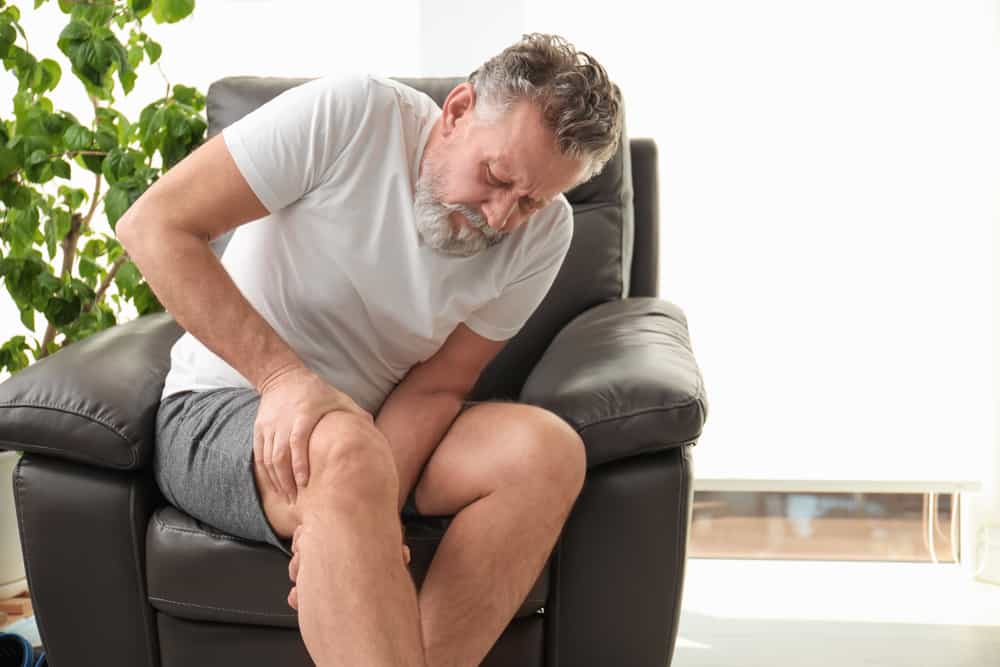
Patients who suffer with pain, stiffness or swelling caused by knee osteoarthritis are often concerned that they may ultimately need joint replacement surgery. The American Academy of Orthopedic Surgeons (AAOS) has reported that more than 600,000 knee replacements are performed each year in the United States.
Knee replacement is a major surgery and requires prolonged rehabilitation. The good news for patients with knee osteoarthritis is that advances in regenerative medicine are offering hope for an improved quality of life without the risks associated with surgery. Recent studies show that 98% percent of patients would like to learn more about these innovative treatment options. However fewer than 50% of surgeons ever discussed these non-surgical alternatives with their patients.
By using the unique healing qualities of your own cells, regenerative treatments can stimulate healing, reduce inflammation and decrease pain. Some of these therapies may even prevent the progression of knee arthritis.
San Diego Orthobiologics Medical Group offers a number of regenerative medicine options for patients with knee osteoarthritis.
Regenerative Options for Knee Osteoarthritis
- Platelet Rich Plasma (PRP) therapy selectively concentrates platelets, plasma and other substances found in the blood to create a customized healing treatment that specifically targets knee joint arthritis.
- Plasma Rich Growth Factor (ENDORET PRGF®) creates a more rapid and natural healing response by using proteins in your blood to facilitate a balanced release of growth factors essential for healing.
- Autologous Fat Tissue Products (Lipogems®) enables regenerative cells (such as stem cells) within your own fat tissue to work together and repair, reconstruct and replace damaged or injured tissues.
- Bone Marrow Aspiration Concentrate (BMAC) utilizes regenerative cells that are contained within your own bone marrow. The marrow contains a rich reservoir of “pluripotent” stem cells to stimulate your body’s ability to improve circulation, decrease inflammation and regenerate tissues.
- Master Protease Inhibitor (A2M) uses a natural substance found in your blood (Alpha 2 Macroglobulin) to stop the progression of joint degeneration and improve pain and inflammation in arthritic joints.
These minimally-invasive treatments are performed using advanced image guidance such as ultrasound or fluoroscopy (digital x-ray). They are performed on an out-patient basis and do not require anesthesia. Unlike surgery, they do not demand a lengthy recovery time or extensive physical therapy following treatment.
Patients who suffer with knee pain will benefit from a consult with a practitioner who is experienced in diagnosing and treating orthopedic conditions so they can review all their options before considering unnecessary joint replacement surgery.
Drs. Christopher J. Rogers and Mary A. Ambach have extensive experience in the treatment of orthopedic conditions and sports injuries. They are recognized experts and leaders in the field of regenerative medicine and were the first providers in the San Diego area to offer some of these advanced medical treatments.
Apr 2, 2020
Great bakers know that when it comes to delivering the best treats and sweets, you have to carefully measure your ingredients.
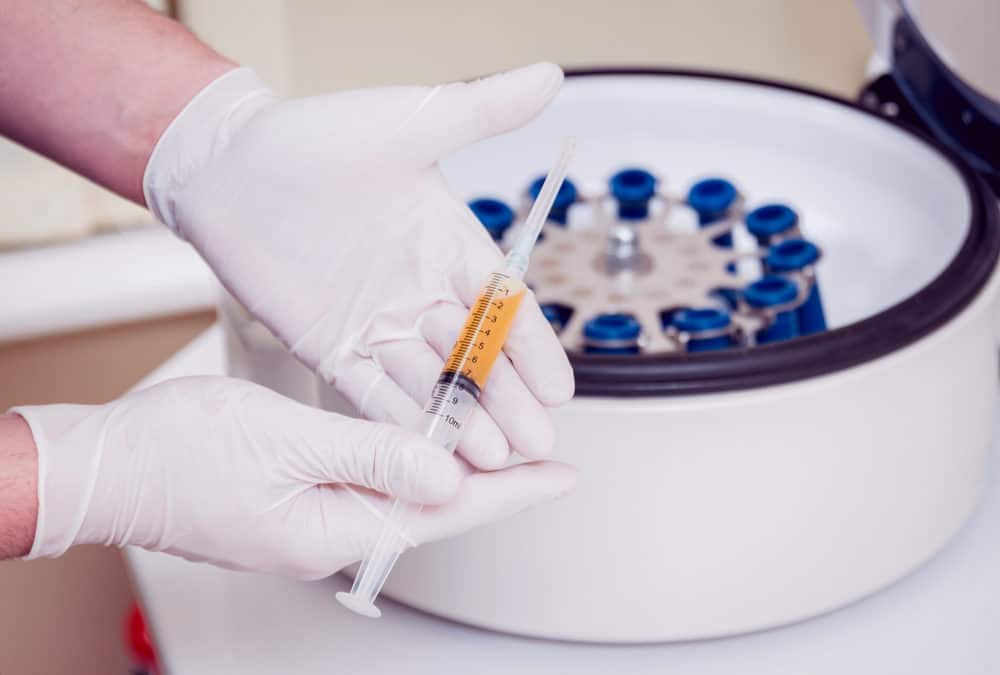
The same applies to Platelet Rich Plasma (PRP) therapy. The measured amount, the dosage, of concentrated platelets and other cells in the plasma, must be customized to each patient’s specific condition to achieve the best outcomes.
Platelet rich plasma uses highly concentrated platelets to speed up the healing process, decrease inflammation and stimulate tissue regeneration. See our blog on PRP. As we go in-depth in the study of PRP, we now know that determining the best PRP treatment is not just about how much platelets are in the injection.
Not All PRP are the same
There are other factors that need to be considered to obtain the best PRP treatment. There are other other cells in the PRP, specifically the red blood cells and white blood cells that need to be adjusted depending on the patient’s condition. Platelets release growth factors that facilitate the healing process. The timing and pattern of growth factor release and the individual’s cellular response to growth factors may vary. This can affect outcome and should be thought out in determining PRP treatment. There is a wide variety of methods used to harvest, process and deliver PRP therapy. The resulting platelet count, cell composition and PRP quality are highly variable and can affect clinical outcome.
Only physicians truly experienced in using PRP know how to adjust the dosing appropriately. Joints, tendons, ligament and nerves require their own specific PRP formulation. Imagine if a doctor writes the incorrect kind and amount of antibiotic to treat your specific infection. Patients should make sure that they do their homework in seeking skilled and experienced physicians providing their PRP treatment. These physicians should not only know how to provide the best customized PRP for your need, they should also be adept in the delivery of PRP therapy. These physicians should have advanced training in diagnostic ultrasound or fluoroscopic (xray) guided procedures to make the procedure safe, comfortable and effective.
Not all PRP dosing is the same. Patients should choose physicians who have the knowledge and expertise to ensure they get the right kind of PRP for their orthopedic condition.
Dr. Christopher J. Rogers and Dr Mary A. Ambach are experts and key leaders in the field of regenerative medicine. They are board certified doctors with over 20 years of combined research and clinical experience in platelet rich plasma and other cell based therapies.

Sep 6, 2019
New Zealand Orthopedic Physician, Dr. Zaid Matti, Visits San Diego Orthobiologics Medical Group To Observe Innovative Procedures
We had the pleasure of having New Zealand physician, Dr. Matti visit our medical clinic. Dr Matti was able to observe our innovative treatments for patients with joint arthritis and low back pain. We had great discussions about platelet rich plasma, bone marrow concentrate and adipose derived cell therapies and how together we can move the field of Regenerative Medicine forward. Thank you, Dr. Matti, for your visit and sharing your insights with us!


Aug 23, 2019
Dr Mary Ambach as Guest Speaker for The Doctor’s Hour.
The Doctor’s Hour is a program for doctors to access resources and videos from experts in the pain management and regenerative medicine field. Dr Ambach shared her expertise with colleagues on the current evidence of stem cell therapies for joint pain, osteoarthritis and tendon injuries.

Aug 15, 2019

Dr. Ramon Llull and Dr. Chris Rogers
Dr. Rogers met and collaborated with thought leaders in the Annual Conference of The San Diego Academy of Regenerative Therapies (SDARTs) from August 2-4 in San Diego, CA. The annual SDARTs conference together pioneers and experts in regenerative medicine and offers training on many different applications of regenerative medicine across different medical specialty fields. At San Diego Orthobiolgoics Medical Group, we continue to learn innovative procedures to find the best treatment options for our patients!

