
Jun 2, 2020
What is Prolotherapy?
Prolotherapy (short for proliferative therapy) stimulates the body’s natural healing factors to strengthen and repair injured joints, ligaments and tendons. This minimally invasive procedure is used to address a number of musculoskeletal conditions including:
- Back pain due to degenerative disc disease, sacroiliac joint instability, facet joint syndrome and nerve pain
- Neck pain due to arthritis or whiplash injury
- Knee pain caused by osteoarthritis, meniscal tears or sprains
- Arm and shoulder pain as a result of arthritis, rotator cuff tendon tears, golfer’s elbow, tennis
- elbow and chronic tendonitis.
Studies have shown that 85 to 95 percent of patients with back pain experience improvement with prolotherapy. [i] Additional studies have also shown prolotherapy is successful for various ligament, tendon or joint pain/injuries, including knee arthritis. The Annals of Family Medicine reported that a randomized controlled trial of prolotherapy in patients with knee osteoarthritis resulted in clinically meaningful sustained improvement of pain, function, and stiffness.[ii]
How It Works
Prolotherapy stimulates the body’s natural healing mechanisms to produce new tissue. Using fluoroscopic (x-ray) guidance, the physician injects a mixture of local anesthetics and dextrose (a sugar-based solution) directly to the injured area. The dextrose works as an irritant to kick start the body’s natural healing response and encourages the growth of normal ligament and tendon fibers. This results in long-term healing and pain relief. In some cases, the treatment is repeated with the goal of restoring strength and stability without loss of flexibility and function. As the body heals the pain subsides, in most cases, permanently.
Prolotherapy, when used in lower concentrations, has also been shown to help with nerve pain by blocking nerve pain impulses. This can provide immediate pain relief to joint, nerve and soft tissue injuries.
For patients with advanced injury or degeneration, prolotherapy can be combined with Platelet Rich Plasma (PRP) and autologous (from the same person) adult regenerative cells to boost the regenerative process. Every formulation is specifically targeted to the patient’s unique needs.
Is Prolotherapy Safe?
In contrast to many medical treatments that may provide only temporary benefits, prolotherapy is a safe treatment that offers long-term relief.
Prolotherapy is an in-office procedure performed under local anesthetic. There is no hospitalization required, nor the need for extended rehabilitation. Most patients are able to resume their daily activities immediately. Even those who require additional treatments are likely to enjoy significant pain relief after just one treatment.
Like every other medical intervention, the success of prolotherapy can be impacted by the patient’s overall health as well as any underlying nutritional or genetic deficiencies that might make healing more difficult. It is important to talk with your doctor about the best methods to optimize your health and healing potential.
Dr. Christopher J. Rogers and Dr. Mary A. Ambach of San Diego Orthobiologics Medical Group are leaders in the field of regenerative medicine and have been performing prolotherapy with great success for decades. They serve as faculty members and lecturers at national and international medical conferences and serve on the board of directors for several regenerative medicine organizations. They have published scientific papers in the medical literature and are dedicated to excellent patient care and advancing the field of regenerative medicine.
Resources:
[i] https://prolotherapycollege.org/what-is-prolotherapy/
[ii] https://www.ncbi.nlm.nih.gov/pmc/articles/PMC3659139/
May 26, 2020
Anyone considering stem cell therapies should carefully consider their options when researching medical clinics that claim to offer such treatments. You may recall the news stories that were reported last year on cases of infection following stem cell injections. They reported that 17 people in five states were hospitalized with serious infections following injections of umbilical cord blood derived products. All but two of the illnesses were linked to a single company in California [i].
Are All Stem Cell Therapies the Same?
Before consenting to a stem cell injection, we recommend that you ask your physician the following questions:
What kind of stem cells do you use?
Umbilical cord blood products [ii] are not approved by the US Food and Drug Administration (FDA). The safety and efficacy of these products have not been tested in orthopedic applications. However, your own cells can be used when harvested from a patient’s own (autologous) bone marrow or adipose tissue (fat). These cells contain high levels of mesenchymal stem cells (MSCs) and other orthobiologics that contain anti-inflammatory and regenerative properties.
San Diego Orthobiologics Medical Group offers several different treatment options for autologous cell based therapy. These treatments include Bone Marrow Aspirate Concentrate (BMAC), Microfragmented adipose tissue (MFAT), Platelet Rich Plasma (PRP) and Endoret Plasma Rich in Growth Factors (PRGF). Each treatment offers different benefits to suit a patient’s unique orthopedic needs. We do not use donor (allogeneic) products derived from birth waste tissues (like umbilical cord blood, amniotic fluid, exosomes, or placenta) because they have not been tested for safety or efficacy and are not compliant with current FDA guidelines.
How do you process the cells?
Many clinics use basic centrifuges to separate stem cells, but the best method for obtaining the highest concentrations of regenerative autologous stems cells requires specialized equipment operated in a sterile lab setting.
San Diego Orthobiologics Medical Group established a state-of-the-art facility in Carlsbad that contains some of the most advanced Regenerative Medicine technology in the San Diego area. We process autologous same day platelet rich plasma, regenerative cell concentrates and other orthobiologics safely and at a customized dose in our Regenerative Medicine Lab.
How effective are your treatments?
Clinics or practices that sell donated stem cells do so at some risk to your health. These products are not tested for sterility or viability. Independent testing of these products has shown that they do not contain any live stem cells at all. Only live stem cells can exert the sought after beneficial therapeutic effects. These products have not been demonstrated to contain any healing properties in clinical studies.
San Diego Orthobiologics Medical Group only uses your own bone marrow or fat tissue and is able to process them using state-of-the-art technology. Same-day treatments maximize the healing potential of the fresh (not frozen) regenerative cells.
Is there scientific evidence to support your claims?
Clinics that use autologous cell based treatments are not afraid to participate in clinical trials—in fact they welcome the opportunity to do so—because they know it is important to study these treatments for safety and efficacy.
Based on our extensive experience treating orthopedic conditions with regenerative medicine therapies, San Diego Orthobiologics Medical Group is one of only six clinics in the United States selected to participate in FDA-approved clinical trials to treat knee osteoarthritis. Visit our website (Research section) for an extensive list of peer-reviewed published articles from prestigious medical journals about the different kinds of cell based therapies we offer.
It should be clear that the answer to the question “Are all stem cell therapies the same?” is a resounding “No!”. Anyone considering treatment should understand what works and what does not work. What is safe and what is risky. What is FDA compliant and what is illegal. We believe that patients deserve honest answers to these tough questions.
With decades of experience in regenerative medicine, Drs. Christopher J. Rogers and Mary A. Ambach are recognized experts in the field of Regenerative Medicine. They continue to advance the field by participating in clinical trials and serve as faculty members and lecturers at national and international medical conferences. They also serve on the board of directors for several national regenerative medicine organizations.
Resources:
[i] https://www.washingtonpost.com/national/health-science/miraculous-stem-cell-therapy-has-sickened-people-in-five-states/2019/02/26/c04b23a4-3539-11e9-854a-7a14d7fec96a_story.html
[ii] https://www.fda.gov/news-events/press-announcements/fda-sends-warning-companies-offering-unapproved-umbilical-cord-blood-products-may-put-patients-risk
[iii] https://www.fda.gov/vaccines-blood-biologics/safety-availability-biologics/public-safety-notification-exosome-products

May 15, 2020
Regenerative Therapy for Chronic Back Pain
Low back pain is the fifth most common reason a patient visits their doctor. More than 90% of the population will experience at least one episode of low back pain during their lifetime. The social and economic impact of low back pain is significant and it is responsible for about 40% of missed work days in the US.
Causes of Back Pain
There are many different causes for low back pain. The pain can be acute or chronic in nature and may originate from an injury or degenerated tissues in the spine. Common causes of low back pain include:
- Back strain: This occurs when the spine is subjected to physical stress that is greater than what can be supported by the muscular and ligamentous structures. Repeated heavy lifting or sudden awkward movements can cause over-stretching or tearing of the ligaments, tendons or muscles in the spine causing pain.
- Arthritis. Osteoarthritis of the spine can lead to degeneration that is associated with the normal wear and tear of joints, discs and bones in the spine as people age. The arthritis can lead to bone spurs which result in narrowing of the space around the spinal nerves and spinal cord; a condition called spinal stenosis.
- Facet joint dysfunction: The spinal column consists of individual bones called vertebrae. They connect to one another at each level by two small facet joints. The joints promote movement and stability between the vertebral bodies. Pain occurs when the joints get inflamed or when the cartilage in the joints becomes injured or worn out.
- Bulging or Ruptured Disc: The discs are soft, gel filled structures that act as cushion or shock absorbers between the vertebral bones in your spine. The disc also connects the adjacent vertebrae together with strong fibrous tissue. When these discs become injured, they can bulge or the gel slips out and can put pressure on neighboring nerves causing pain. As people age, discs lose their hydration and wear down leading to degeneration. Degenerative discs can develop tears and collapse which causes low back pain, muscle spasm or spinal stenosis.
There are many other causes of low back pain including nerve and spinal cord problems, scoliosis, fracture and non-spine sources like tumor and kidney stones. It is important that your physician perform a comprehensive evaluation of your medical history and physical examination to give you an appropriate diagnosis for your back pain.
Non-Surgical Options for Back Pain Relief
There are hundreds of different forms of treatment for lower back pain, however no single treatment stands out as superior to any of the others. When conservative treatments fail to relieve pain, your doctor may feel compelled to consider surgery, however, the success rate of surgery is less than 60% for most causes of lower back pain and involves significant risk and recovery time. Fortunately, there are innovative, minimally invasive treatments available.
Advanced regenerative therapy may be the best solution for your back. These advanced treatments can help you heal faster. They avoid the risks and long-term complications associated with surgery and reduce pain to help you maintain an active lifestyle.
- Platelet Rich Plasma (PRP) therapy concentrates platelets, plasma and other substances found in your blood to create a customized healing treatment for degenerative facet joints, discs and nerve pain.
- Bone Marrow Aspiration Concentrate (BMAC) utilizes your own bone marrow which contains a rich reservoir of regenerative cells, multipotent stem cells and anti-inflammatory molecules designed to stimulate your body’s ability to improve circulation, decrease inflammation and regenerate tissues. This regenerative therapy can be used for disc tears, disc degeneration and facet joint arthritis.
- Master Protease Inhibitor (A2M) uses a natural substance found in your blood (Alpha 2 Macroglobulin) to stop the progression of joint degeneration and improve pain and inflammation in arthritic joints.
- Prolotherapy: Sugar containing medications that help regenerate tissue and relieve pain are injected into injured ligaments, tendons or joints to strengthen and improve stability in patients with osteoarthritis, ligament sprains, sacroiliac joint dysfunction and sports-related injuries.
Patients who have failed standard treatments or are seeking alternatives to spine surgery for neck and back pain should consider regenerative therapies. The research on the use of these therapies for certain conditions of the spine is very promising. However, much more research still needs to be completed. The doctors of San Diego Orthobiologics Medical Group contribute to advancing the science by participating in clinical trials and publishing articles on regenerative therapies for spine and other orthopedic conditions.
Advances in regenerative medicine offer new hope for long-term pain relief and improved quality of life.
San Diego Orthobiologics Medical Group is a leader in regenerative medicine therapies and offers a great variety of treatment options depending upon each patient’s unique needs. With decades of experience in the field of minimally invasive interventional treatments, Drs. Christopher J. Rogers and Mary A. Ambach are experts in the field of regenerative medicine. They serve as faculty members and lecturers at national and international medical conferences and serve on the board of directors for several national regenerative medicine organizations.
May 11, 2020
On May 6th, Dr. Mary A. Ambach presented a webinar on Regenerative Medicine for Orthopedic Conditions.
In this webinar, she explains how regenerative medicine therapies facilitate the body’s ability to heal itself. By using your own cells, these therapies reduce inflammation, decrease pain and stimulate healing of common orthopedic conditions.
Treatments that use orthobiologics, such as PRP or stem cells, will vary depending upon the specific needs of each patient. Similar to cooking a meal, the preparation of each treatment must be customized in order to achieve the best outcome. Dr. Ambach provides a detailed explanation of the different types of orthobiologic therapy and the scientific rationale behind their use.
This in-depth presentation is educational and informative for anyone who is interested in learning more about their regenerative medicine treatment options.
Please click here, if you would like to schedule an evaluation with one of our physicians at San Diego Orthobiologics Medical Group.

May 1, 2020
Orthobiologics research has come a long way since the earliest reports of platelet rich plasma (PRP) in the 1980s and stem cells in the 1960s. There has been exponential growth in the number of published scientific studies on PRP and stem cells in orthopedics over the past 10 years.
Regenerative medicine is a new medical specialty that uses advancements in the study of cells and tissue engineering to understand how the body heals itself. In the field of orthopedics, regenerative treatments have evolved to capitalize on the unique healing qualities of our own cells to stimulate healing, reduce inflammation and decrease pain for a variety of musculoskeletal conditions.
The demand for regenerative treatments continues to grow as patients discover how these treatments are successfully being used to treat acute musculoskeletal injuries and degenerative conditions. More and more patients have benefited from such therapies with reduction in pain and significant improvement in their quality of life.
Regenerative Medicine in 2020
Clinical trials and research in regenerative medicine has provided more ever increasing evidence for the safety and efficacy of cell based therapies when used in orthopedics such as osteoarthritis, tendon tears, ligament injuries, low back pain, sciatica and several others conditions.
The choice of regenerative treatment depends upon multiple factors including the type and severity of injury, medical comorbidities and other issues unique to each patient. San Diego Orthobiologics Medical Group offers a number of regenerative medicine options such as:
- Platelet Rich Plasma Therapy: Growth factors and proteins in the platelets and plasma of the patient’s own blood promote tissue repair and reduce inflammation. Specific PRP formulation is customized to joints, tendons, ligament or nerves for maximum results.
- Adipose Derived Stem Cell Therapy: Fat tissue derived from your own body enables regenerative cells (such as stem cells) within your own fat tissue to work together and repair, reconstruct and replace damaged or injured tissues.
- Bone Marrow Aspiration Concentrate (BMAC): Utilizes regenerative cells that are contained within your own bone marrow. The marrow contains a rich reservoir of anti-inflammatory molecules, platelets and stem cells to stimulate your body’s ability to improve circulation, decrease inflammation and regenerate tissues.
- Prolotherapy: Medications that help regenerate tissue and relieve pain are injected into injured ligaments, tendons or joints to strengthen and improve stability in patients with osteoarthritis, ligament sprains and sports-related injuries.
Moving Forward
The field of regenerative medicine is continuously evolving and expanding. Cell based therapies are getting acknowledgement in orthopedic surgery and have been used to accelerate healing and improve outcomes. The combined use of cells and protein scaffolds (tissue framework) are utilized for cartilage, tendon, ligament and bone tissue engineering to accelerate healing and long lasting results. Surgery to repair bone fractures or bone defects have been supplemented with cell therapy to increase bone healing and mineralization.
Many other exciting potential applications for stem cell therapy are currently being studied, not just in orthopedics, but in other specialties. The idea that a patient can bank their own stem cells to store for future use is already a reality.
However, there is still more work to be done in order to make significant progress on this field. Although there are thousands of studies published in peer-reviewed scientific journals, there is a great need for more high-quality studies and clinical trials. Continued work on standardization of processes, reporting and treatment protocols is vital. Collection of data through registries is not only important to track patient complications and outcomes, but also to guide future decisions made by insurance companies and regulators. Collaboration with a multidisciplinary team of experts in physical medicine and rehabilitation, orthopedic surgery, sports medicine, cell therapy, molecular biology and others will continue to move the field forward at a rapid pace.
Drs. Christopher J. Rogers and Mary A. Ambach of San Diego Orthobiologics Medical Group are experts and leaders in the field of regenerative medicine. They are involved in clinical trials using cell-based therapies for knee osteoarthritis and disc degeneration in the lumbar spine. They have published in multiple medical journals and Regenerative Medicine textbooks. They serve as faculty members and lecturers at national and international medical conferences and serve on the board of directors for several regenerative medicine organizations.
Apr 24, 2020
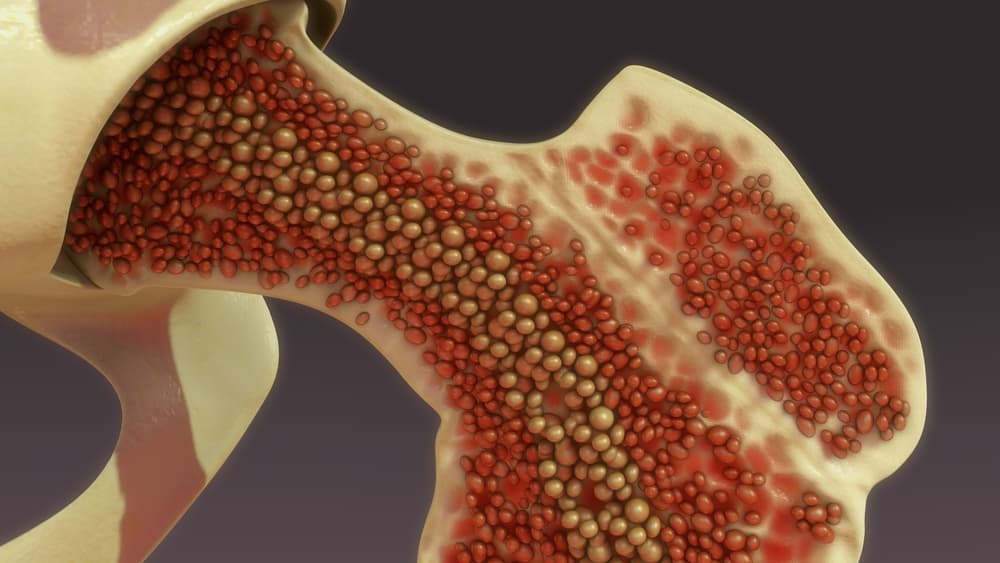
Bone marrow is a rich source of many types of cells. Red blood cells, white blood cells and platelets are manufactured in the marrow and released into the blood. Stem cells, were discovered in bone marrow in 1988 and have been shown to have the remarkable potential to develop into many different types of cells and promote healing.
Bone marrow contains at least two kinds of stem cells. One population, called the hematopoietic stem cell (HSC), forms all the different blood cells in the body. A second population, the mesenchymal stem cell (MSC), has the ability to transform into different cell types such as:
- Bone cells (osteoblasts and osteocytes)
- Cartilage cells (chrondrocytes)
- Fat cells (adipocytes)
- Fibrous connective tissue cells (fibroblasts)
Stem cells not only have the ability to become other types of cells, they also have powerful anti-inflammatory and immune system modifying properties to influence the healing response of injured tissues.
What is Bone Marrow Aspiration Concentrate?
Bone marrow aspiration concentrate (BMAC), is a concentration of cells that is obtained from a patient’s own bone marrow. Bone marrow aspirate is collected using a minimally invasive procedure that uses a needle to obtain bone marrow from the bone, commonly in the pelvis. The procedure is performed under local anesthesia or light sedation for comfort. The bone marrow is minimally processed in our lab to separate and concentrate the cells using centrifugation. Bone marrow processing protocols vary widely and influence the number and quality of the cells. The resulting biologic product is then injected into injured tissues using imaging guidance such as ultrasound or fluoroscopy (“real time” x-ray). The entire process is performed on the same day and is well tolerated with minimal need for pain medications.
What Conditions Can Be Treated with BMAC?
Bone marrow aspiration concentrate therapy is used for a variety of orthopedic conditions. It has been shown to decrease inflammation and aid in healing.
BMAC therapy may:
- Treat osteoarthritis by decreasing inflammation in the joint and delaying disease progression
- Protect and repair cartilage
- Stimulate bone growth to heal fractures
- Improve tendon and ligament healing caused by tears, sprains or overuse
- Slow or reverse degenerative disc disease
Patients considering BMAC stem cell therapy should seek qualified providers to provide their treatment. Stem cell therapies using a patient’s own bone marrow are compliant with current FDA regulatory guidelines.
However, other stem cell based products that contain umbilical cord blood, amniotic tissue or exosomes are not FDA compliant and should be avoided.
Dr. Christopher J. Rogers and Dr. Mary A. Ambach are board certified in Physical Medicine and Rehabilitation and have specialized training in Regenerative Medicine. They are experts in the use of Bone Marrow Aspiration Concentrate (BMAC) and other Orthobiologics for orthopedic conditions.
