Aug 4, 2020
STEM CELL RESEARCHERS AND THE FDA WARN PATIENTS ABOUT FRAUDULENT CLINICS THAT SELL ILLEGAL BIRTH TISSUE PRODUCTS
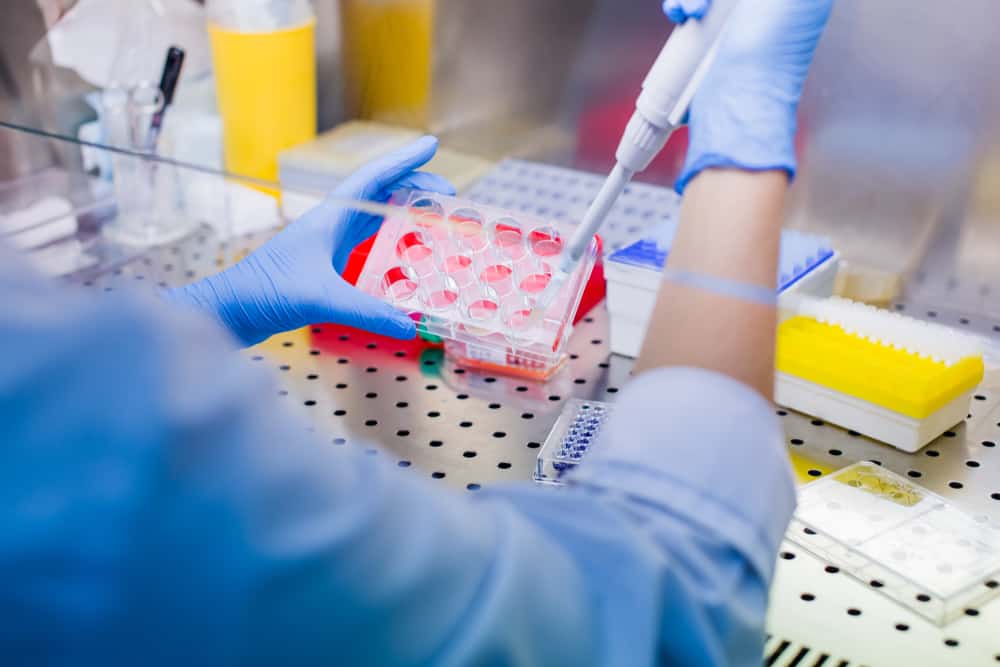
Stem cell therapies have the potential to treat many medical conditions that were previously untreatable. But, despite their enormous promise, stem cell therapies are only in the early stages of clinical development. For the past two decades, hundreds of scientific studies have been conducted, but much more work is required to prove the safety and efficacy of these treatments.
Recently, the FDA posted a warning to patients about the rising number of illegal stem cell clinics. In addition, a newly released short film documents the fraudulent and illegal activity of these stem cell clinics. Experts in the field were interviewed and shared their experience, warning patients about the fraud and abuse that is rampant in the United States.
Unscrupulous healthcare providers sell illegal birth tissue products and fraudulently promote them as “stem cell therapy”. These products include amniotic fluid, umbilical cord blood and exosomes. They are not FDA approved because they have not been tested for safety or efficacy. Physicians are not permitted to use them. In fact, patients have been harmed by them. And not surprisingly, none of these products have been shown to contain actual live stem cells.
Patient Education is Key
The physicians at San Diego Orthobiologics Medical Group support the experts and would like to educate patients about the risks of using illegal stem cell products. We only use FDA compliant cell therapies for our patients. We do not use birth tissue products because they have not been tested for safety or efficacy and are not permitted by the FDA. Our physicians are recognized leaders in the field of Orthobiologics, conduct FDA approved stem cell research and have published in the peer-reviewed scientific literature.
To learn more, please download our free E-book, The Patient’s Guide to Stem Cells.
Jul 13, 2020
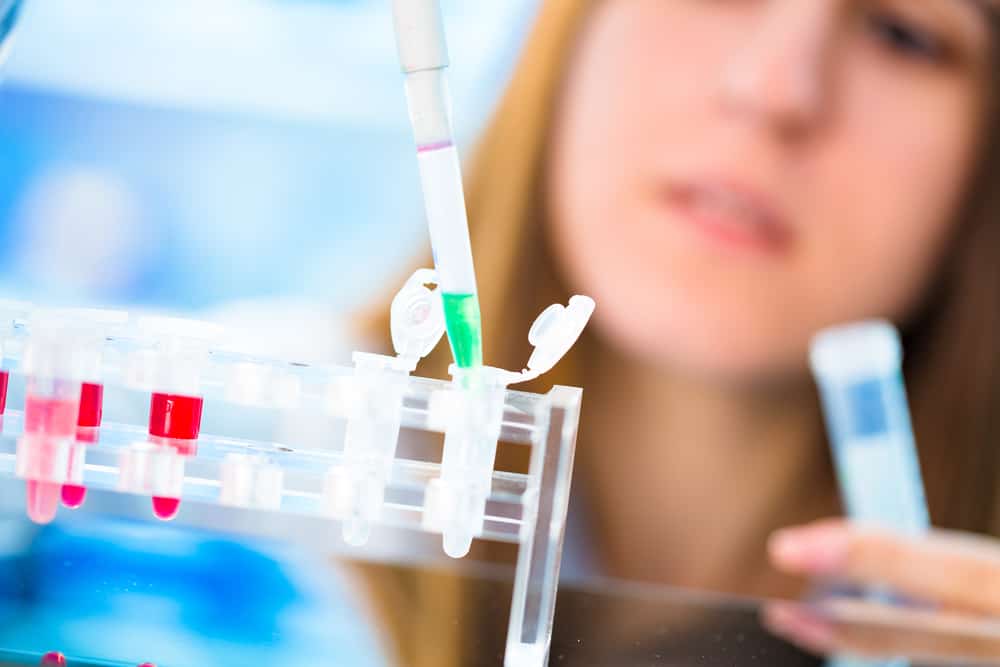
It has been more than fifty years since the first bone marrow transplant was performed to treat an infant with immune deficiency (1). In the years following that milestone, researchers and physicians have discovered new ways to use the bone marrow and its powerful stem cells to treat a number of different medical illnesses, including orthopedic conditions. Dr. Arnold Caplan discovered the mesenchymal stem cell in the early 1990’s (2). These cells are a specific type of adult stem cell found in the bone marrow that have the ability to renew themselves and differentiate into bone, tendon, cartilage and muscle cells.
Patients who suffer with joint arthritis, tendinopathy or ligament sprains benefit from bone marrow cell therapy, which stimulates the body’s natural ability to improve circulation, decrease inflammation and heal injured tissues.
What is Bone Marrow Aspirate Concentrate (BMAC)?
Although the name sounds complicated, bone marrow aspirate concentrate (BMAC) simply describes the source, method and process for removing cells from a patient’s own body, preparing them and reintroducing them into an injured area.
Bone marrow is a source of therapeutic cells. It contains powerful mesenchymal stem cells that can be collected for treatment. It also contains other Orthobiologics such as platelets, growth factors and proteins that contribute to the therapeutic effects. Aspirate refers to the way the therapeutic cells are collected into a syringe. About four tablespoons of bone marrow is removed (aspirated) from the back of the hip area. Concentrate is the term that describes how the bone marrow is processed. The aspirated bone marrow is transferred into a centrifuge that spins the sample, separating it into different layers and concentrating the therapeutic cells.
Is BMAC Effective?
BMAC has the ability to address the symptoms and root cause of spine and joint pain by decreasing inflammation and promoting the healing of the injured tissues. Current research and clinical experience have shown promising results in decreasing pain and stiffness, improving function and enhancing cartilage and bone healing in patients with osteoarthritis, tendon injuries and other orthopedic conditions. The benefits of these treatments typically last 2 to 5 years or longer.
This is a minimally invasive, non-surgical procedure that does not require hospitalization or lengthy rehabilitation. In fact, patients are back home within a few hours of the procedure and resume normal activities within a week. Most patients require only a single treatment, but it can easily be repeated if necessary.
To learn more about this exciting new treatment for orthopedic conditions, please visit us at: https://sdomg.com/bone-marrow-aspiration-concentrate-bmac-1/
Drs. Christopher J. Rogers and Mary A. Ambach of San Diego Orthobiologics Medical Group are board
certified in Physical Medicine & Rehabilitation and are recognized experts in orthobiologics therapies,
using cells and cell products to treat orthopedic conditions. They are stem cell researchers and
recognized leaders in the field of Regenerative Medicine. They have published extensively in the
scientific literature and have trained hundreds of physicians at medical conferences around the world.
Resources
1. M Health – Historical Milestones in Blood and Marrow Transplantation
2. Hindawi – Adult Mesenchymal Stem Cells: When, Where, and How

Jun 19, 2020
The human body is programmed to heal. Whether it is recovering from a small scrape or from major surgery the body’s initial response to any kind of injury or trauma is to kick into healing mode.
But sometimes it can use a little help. And that is what cell-based therapies offer.
How Cell-Based Therapy Works
Cell-based therapy assists the body to heal injured tissues. This is especially useful for the treatment of injured tendons, ligaments and joints. Cell-based therapy delivers targeted healing factors that are taken from the patient’s own cells to boost the body’s ability to speed healing and recovery.
There are several treatments options available, and each one offers unique benefits that enable your physician to choose the best option for you.
- Platelet Rich Plasma therapy concentrates platelet cells from the blood and delivers them to the injured tissues. These cells are rich in growth factors that are needed to initiate the body’s healing and repair processes. Using a patient’s own blood, the platelets are separated and concentrated. They are then placed into the injured area to boost healing.
- Prolotherapy delivers a targeted solution of concentrated dextrose and local anesthetic to injured ligaments, tendons or joints. The body responds to the dextrose solution as an irritant which, triggers healing responses that had stalled prematurely.
- Stem Cells are found throughout the body and are activated when an injury occurs. Tissue harvested from the patient’s own bone marrow or adipose (fat) contain mesenchymal stem cells (MSCs). They activate healing by producing molecules that direct other cells in the area to form new blood vessels, awaken resident progenitors and stimulate new tissue growth. Cells can be obtained from several sources, however, only bone marrow and adipose (fat) tissue are FDA-compliant for orthopedic indications. Umbilical cord blood products are not approved by the FDA and not supported by clinical research for orthopedic use.
What to Expect While Recovering from Therapy
Unlike major surgery, cell-based therapies do not require hospitalization. They are performed in our office procedure suite with local anesthetic. Recovery usually takes less than 4 days from these minimally invasive procedures.
There may be some swelling and discomfort in the injected area, but these symptoms typically lessen within a few days. Patients begin physical therapy to regain strength and range of motion within the first few weeks. Depending on the extent of the original injury, as well as the specific treatment used, some patients are able to resume their normal activity levels just days after their procedures.
Staying well hydrated and following a nutrient-rich diet are key to overall wellness and are especially important before and after these treatments since the body’s requires high-quality fuel to power their healing efforts.
San Diego Orthobiologics Medical Group is a leader in regenerative medicine therapies and offers a great variety of treatment options depending upon each patient’s unique needs. With decades of experience in the field of minimally invasive interventional treatments, Drs. Christopher J. Rogers and Mary A. Ambach are experts in the field of regenerative medicine. They serve as faculty members and lecturers at national and international medical conferences and serve on the board of directors for several national regenerative medicine organizations.
Jun 12, 2020
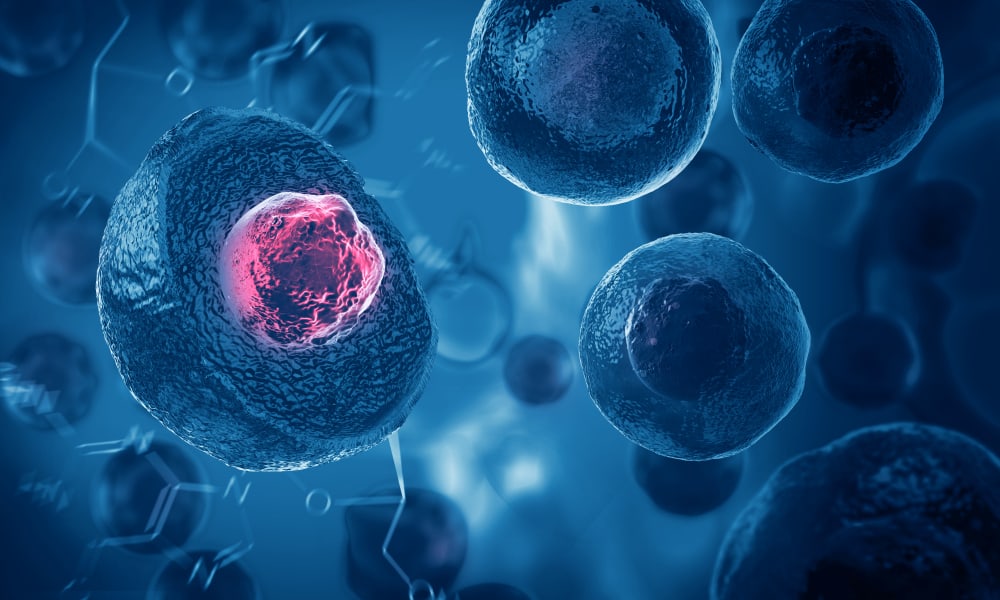
Fat is an important tissue in the body. Fat provides energy, helps the body stay warm and plays a key role in the absorption of important nutrients such as vitamin A, vitamin D and vitamin E. It also helps the body heal because it contains cells that repair and replace damaged or injured tissue. These adipose derived stem cells, also known as pericytes, form new blood vessels, awaken native stem cells and stimulate the growth of new tissues.
How is Adipose Stem Cell Therapy Different from Bone Marrow Stem Cell Therapy?
Both adipose and bone marrow stem cell therapy have the power to heal. They each offer unique benefits that can address the specific healing needs of an individual patient, based on the extent of their injury or tissue damage.
The benefits of adipose stem cell therapy include:
- High Volume of Healing Cells: Studies have shown that adipose tissue may contain as many as 500 times the number of regenerative cells than an equivalent volume of bone marrow aspirate.
- Age-Resilient: Fat cells maintain certain reparative properties regardless of a person’s age. Bone marrow derived cells may lose their healing capacity with age.
- Flexibility: Research has demonstrated that fat cells and bone marrow derived cells can be used to repair and heal tissue in multiple sites of the body, including cartilage and tendons in the knees, hips, elbows and shoulders.
The LIPOGEMS® Advantage
San Diego Orthobiologics Medical Group was one of the first medical centers in the country to offer LIPOGEMS®, an adipose-based regenerative therapy for orthopedic conditions.
LIPOGEMS® preserves the healing properties of the cells without jeopardizing their structure and function. This means the cells work together naturally, as they do normally in the body, to assist in the healing of injured tissues.
Like all cell based treatments offered at San Diego Orthobiologics Medical Group, LIPOGEMS® is an autologous procedure, which means the patient’s own fat cells are used. Our practice does not endorse the use of donor cell products because they have not been tested for safety or efficacy.
These minimally invasive procedures are performed in our office procedure suites with excellent safety and comfort. The patient’s own fat cells are harvested, processed into small clusters and administered to the patient on the same day.
Positive Pain Relief Using Adipose Stem Cell Therapy
More than 20 clinical studies using LIPOGEMS® are underway worldwide and the initial reports indicate that more than 90% of patients experienced significant relief with the treatment. They are able to resume normal physical activity without pain which is critical to maintaining wellness and enjoying a higher quality of life.
With decades of experience in regenerative medicine, Drs. Christopher J. Rogers and Mary A. Ambach of San Diego Orthobiologics Medical Group are recognized experts in the field of Regenerative Medicine. They were the first clinicians in San Diego to use LIPOGEMS® and continue to advance the field by participating in FDA approved clinical trials. They serve as faculty members and lecturers at national and international medical conferences. They also serve on the board of directors for several national regenerative medicine organizations.
Resources:
https://understandlipogemsphysicians.com
https://www.heart.org/en/healthy-living/healthy-eating/eat-smart/fats/dietary-fats

Jun 11, 2020
Patients will need more options and effective non-surgical treatments to manage their orthopedic problems. Cell based regenerative treatments offer natural, safe and effective alternatives to surgery in treating common musculoskeletal problems like joint pain, tendon tear, ligament injuries, back pain, and other orthopedic conditions.
Jun 10, 2020
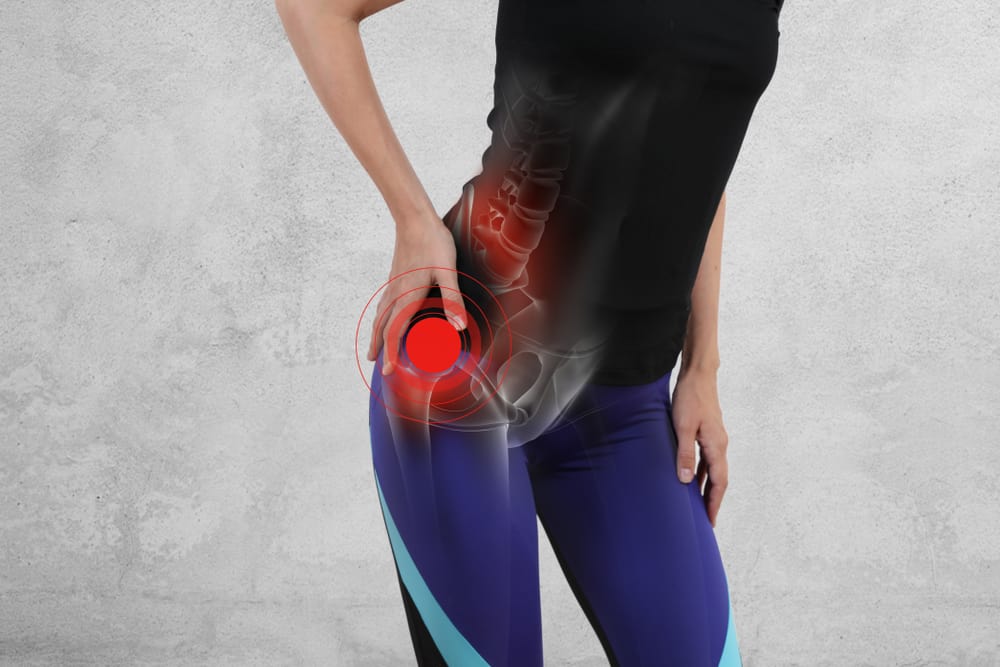
As one of the body’s largest joints, the hip gets its fair share of wear-and-tear over the years. The hip joint is a ball-and-socket joint, consisting of the femoral head at the top of the thighbone (ball) and the acetabulum in the pelvis bone (socket).
Chronic hip pain often develops in those over the age of 50, but can occur earlier, especially in those who are overweight or who have had a previous hip injury or surgery. Some people are born with abnormalities of the joint that put them at higher risk for hip issues as well.
Common symptoms of hip problems include:
- Groin pain
- Limping
- Decreased range of motion and stiffness
- Tenderness around the front or back of the hip
- Clicking, popping or locking of the joint
Why Do I Have Chronic Hip Pain?
Common causes of hip pain include:
- Osteoarthritis: chronic degeneration of the cartilage and inflammation of the hip tissues and joint fluid. The degeneration can be accelerated by trauma causing damage to the cartilage and subtle irregularities in how the hip developed in childhood.
- Bursitis: inflammation of the bursa, a fluid-filled sac that cushion the tendons overlying the bones
- Tendinitis and tendon tears: damage to the tendons in the hip, often from overuse or muscle weakness
- Labral tears: injury to the labrum, a soft cartilage tissue that surrounds the hip socket
- Sacroiliitis: Inflammation of the sacroiliac joints where your lower spine and pelvis connect.
- Avascular necrosis: impaired blood flow to the hip bone causes damage
The good news for patients suffering from chronic hip pain is that advances in regenerative medicine are giving hope to those who feared that total joint replacement therapy was their only option.
San Diego Orthobiologics Medical Group offers several advanced regenerative therapies for hip joint pain:
- Platelet Rich Plasma Therapy uses growth factors from the platelets in the patient’s own blood by releasing substances called growth factors concentrates platelets to stimulate tissue healing for degenerative joints and soft tissue injuries.
- ENDORET PRGF (platelet rich in growth factors) contains proteins that stimulate the tissue repair processes, including new blood vessel formation, cell mobilization and cell proliferation. PRGF can accelerate healing and minimize inflammation that reduces pain.
- Bone Marrow Aspirate Concentrate (BMAC): utilizes your own bone marrow which contains cells that have the ability to improve circulation, decrease inflammation and promote healing in tendons, ligaments and cartilage. BMAC provides highly concentrated regenerative cells to support a robust healing response through a simple office procedure.
- LIPOGEMS® is an FDA-compliant device for processing and same-day use of your own adipose tissue (fat) to treat joint and tendon injuries. Adipose tissue is a rich source of adipose derived stem cells and other regenerative orthobiologics.
- Prolotherapy, also known as “proliferative therapy,” delivers dextrose and other medications to help regenerate tissue and stimulate a healing response in a chronically injured ligament, tendon or joint. Prolotherapy is often combined with PRP therapy to expedite healing.
- Alpha 2 Microglobulin (A2M) uses uses orthobiologics from a patient’s own blood to stop the progression of joint degeneration, decrease inflammation and promote tissue healing.
These treatments offer better safety than most surgical procedures as they are minimally invasive and are performed in our office procedure suite. Patients do not require hospitalization, or a lengthy recovery. Many patients are able to resume normal activities within days of their treatment and see pain relief within weeks.
Drs. Christopher Rogers and Mary Ambach of San Diego Orthobiologics Medical Group are leaders in the field of regenerative medicine for orthopedic conditions. They were the first in San Diego to use Lipogems® as well as ENDORET PRGF therapy for the treatment of orthopedic conditions.
Sources:
https://orthoinfo.aaos.org/en/treatment/total-hip-replacement/
https://www.mayoclinic.org/diseases-conditions/sacroiliitis/symptoms-causes/syc-20350747
https://www.mayoclinic.org/symptoms/hip-pain/basics/causes/sym-20050684
