
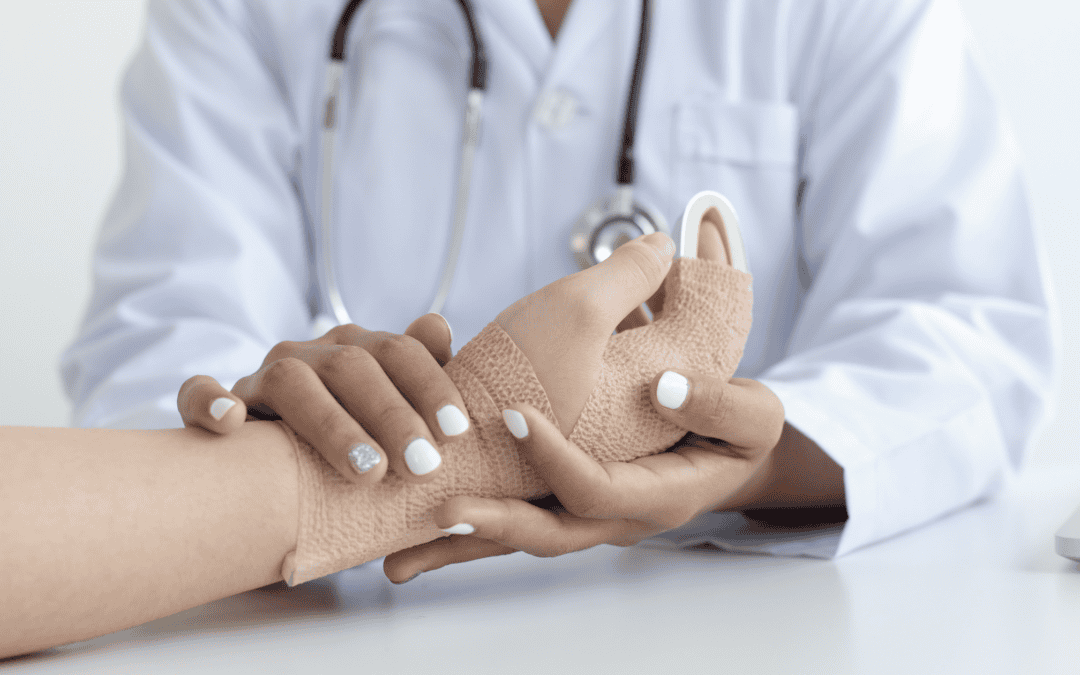
Chronic tendon injuries can make everyday activities difficult and frustrating. Whether it is persistent shoulder pain, tennis elbow, Achilles tendinopathy, or chronic knee tendon irritation, these conditions often linger for months or even years. Traditional treatment options like rest, physical therapy, anti-inflammatory medications, or surgery do not always provide complete relief.
Today, advances in regenerative medicine are changing how chronic tendon injuries are treated. Orthobiologics are emerging as a promising option for patients seeking to reduce pain, improve function, and potentially avoid surgery.
What Are Chronic Tendon Injuries?
Tendons connect muscles to bones and help create movement throughout the body. Over time, repetitive stress, overuse, aging, or poor healing can cause tendon tissue to break down. This process is often referred to as tendinopathy or tendinosis rather than simple inflammation.
Common chronic tendon injuries include:
- Rotator cuff tendinopathy in the shoulder
- Tennis elbow (lateral epicondylitis)
- Golfer’s elbow
- Patellar tendinopathy (“jumper’s knee”)
- Achilles tendinopathy
- Hamstring tendon injuries
Unlike acute injuries, chronic tendon problems often involve degeneration of the tendon tissue rather than active inflammation. This is one reason why treatments like anti-inflammatory medications may only provide temporary symptom relief.
What Are Orthobiologics?
Orthobiologics are biologic substances used to help support the body’s natural healing process. These treatments are commonly derived from the patient’s own blood, bone marrow, or tissue and are designed to encourage tissue repair and regeneration.
Orthobiologic treatments commonly used for tendon injuries include:
- Platelet-rich plasma (PRP)
- Bone marrow aspirate concentrate (BMAC)
- Mesenchymal stem cell-based therapies
Research into orthobiologics continues to expand as physicians look for minimally invasive alternatives to surgery for musculoskeletal conditions.
Platelet-Rich Plasma (PRP) for Tendon Healing
PRP remains one of the most widely used orthobiologic treatments for chronic tendon injuries.
PRP is created by drawing a patient’s blood and processing it to concentrate platelets and growth factors. The PRP is then injected directly into the injured tendon under ultrasound guidance.
These growth factors may help:
- Stimulate tissue repair
- Improve blood flow
- Support collagen production
- Reduce pain
- Promote a healthier healing environment
PRP has been studied in conditions such as tennis elbow, Achilles tendinopathy, and rotator cuff disease. While results can vary depending on the condition and severity of injury, many patients experience improved pain and function after treatment.
One of the newer areas of research involves optimizing PRP formulations. Physicians are now studying differences between leukocyte-rich and leukocyte-poor PRP to determine which may work best for specific tendon conditions.
Bone Marrow Aspirate Concentrate (BMAC)
BMAC is another advanced orthobiologic option gaining attention for chronic tendon injuries.
This treatment involves collecting bone marrow—typically from the pelvis—and concentrating it to isolate healing cells, growth factors, and signaling proteins. The concentrated material is then injected into the damaged tendon.
BMAC may provide a more robust regenerative environment compared to traditional injections because it contains:
- Mesenchymal stem cells
- Cytokines
- Growth factors
- Anti-inflammatory signaling molecules
Emerging evidence suggests BMAC may be beneficial for more severe or long-standing tendon degeneration.
Can Orthobiologics Help Patients Avoid Surgery?
For some patients, orthobiologic treatments may help reduce pain and improve function enough to delay or avoid surgery. This is especially appealing for individuals who:
- Have chronic tendon pain despite conservative treatment
- Want to remain active
- Prefer minimally invasive options
- Are not ideal surgical candidates
- Want to support healing without prolonged downtime
However, orthobiologics are not a cure-all solution. Outcomes vary depending on:
- The severity of tendon damage
- Overall health
- Activity level
- The specific biologic treatment used
- Rehabilitation after treatment
In some cases, surgery may still be necessary, particularly for complete tendon tears or advanced structural damage.
The Importance of Proper Diagnosis and Rehabilitation
Successful treatment of chronic tendon injuries requires more than injections alone. A comprehensive treatment plan often includes:
- Diagnostic ultrasound or MRI evaluation
- Physical therapy
- Strengthening and mobility work
- Activity modification
- Biomechanical correction
- Guided rehabilitation
Orthobiologic treatments are often most effective when combined with a carefully designed recovery program that supports long-term tendon healing.
The Future of Tendon Injury Treatment
The field of orthobiologics continues to advance as research expands and regenerative therapies become more refined. While not every patient will require these treatments, orthobiologics are creating new possibilities for people living with chronic tendon pain who want alternatives beyond surgery and long recovery periods.
As technology and clinical evidence continue to evolve, regenerative medicine may play an increasingly important role in helping patients restore mobility, reduce pain, and return to the activities they enjoy.