May 29, 2026
Chronic pain and orthopedic injuries can make everyday movement difficult, limiting activity and reducing quality of life. In recent years, regenerative medicine treatments have become increasingly popular for helping patients manage pain, promote healing, and potentially delay or avoid surgery. Treatments such as platelet-rich plasma (PRP) and other orthobiologic injections are designed to support the body’s natural healing process. However, the success of these treatments often depends on one important factor: precision.
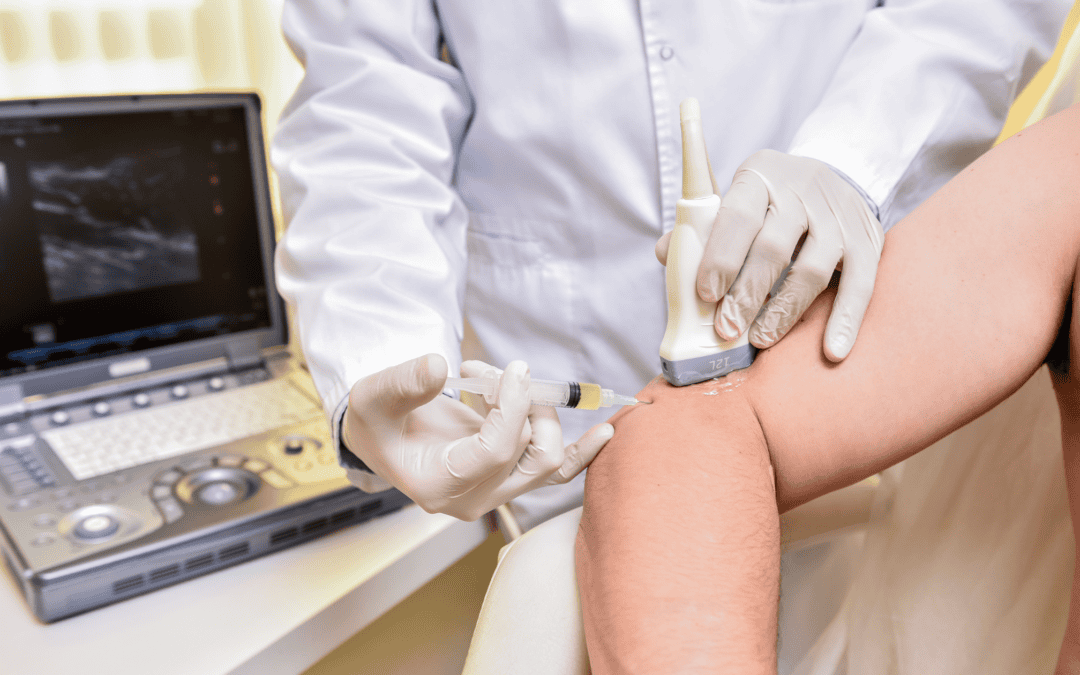
Ultrasound-guided injections are transforming regenerative medicine by helping physicians deliver treatments more accurately. Instead of relying solely on anatomical landmarks or estimation, ultrasound technology allows healthcare providers to see muscles, tendons, ligaments, joints, and soft tissues in real time while performing an injection.
What Are Ultrasound-Guided Injections?
Ultrasound-guided injections are procedures that use live imaging technology to help physicians place needles with greater accuracy. Ultrasound creates real-time images of soft tissues, joints, tendons, nerves, and blood vessels, allowing providers to visualize exactly where the treatment is being delivered.
In regenerative medicine, precision matters because therapies are often intended to target damaged or inflamed tissue. Whether a physician is treating tendon injuries, arthritis-related pain, ligament instability, or chronic joint inflammation, accurate placement helps maximize the potential effectiveness of the treatment.
Unlike traditional “blind” injections, where providers rely on touch and anatomical landmarks, ultrasound guidance gives a clear picture beneath the skin.
Why Is Precision Important in Regenerative Treatments?
Precision is one of the most important aspects of regenerative care because many treatments are highly targeted.
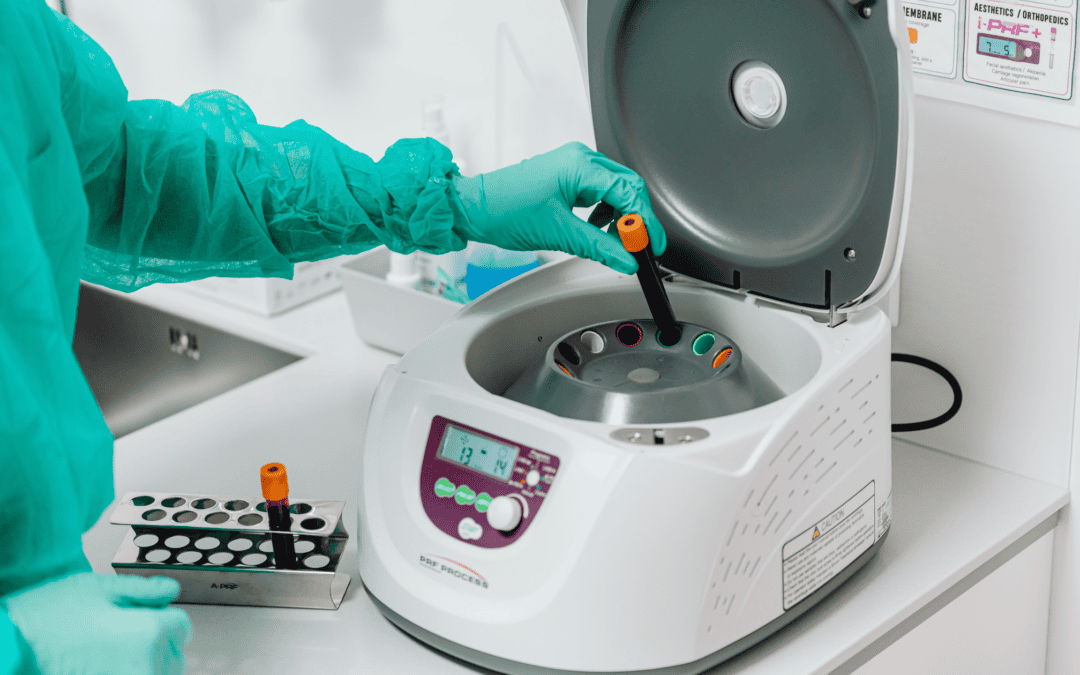
For example, in platelet-rich plasma (PRP) therapy, concentrated platelets from the patient’s own blood are injected into damaged tissue to encourage healing. If the injection misses the intended target or is placed near—but not directly into—the injured structure, treatment outcomes may be less effective.
Ultrasound guidance improves precision by helping providers:
- Identify the exact area of injury or inflammation
- Avoid nearby nerves, blood vessels, and healthy tissue
- Deliver regenerative materials directly into damaged structures
- Confirm needle placement in real time
- Improve consistency and confidence during procedures
This level of accuracy can be particularly valuable in complex joints or smaller structures where precision matters most.
How Does Ultrasound Guidance Work During an Injection?
During an ultrasound-guided procedure, a provider places a handheld device called a transducer on the skin. The transducer sends sound waves into the body, which create live images on a monitor.
After locating the treatment area, the physician carefully guides the needle while watching its movement on the screen. This real-time visualization allows the provider to see both the needle and the surrounding tissues throughout the procedure.
Because ultrasound imaging happens live, physicians can make adjustments immediately if needed.
Patients are often surprised to learn that ultrasound guidance does not involve radiation. Unlike imaging technologies such as CT scans or X-rays, diagnostic ultrasound uses sound waves and is commonly used in many areas of medicine.
Which Conditions Can Benefit From Ultrasound-Guided Regenerative Injections?
Ultrasound-guided injections are commonly used for a wide range of musculoskeletal and pain-related conditions.
These may include:
Tendon Injuries
Conditions involving damaged tendons often benefit from precise regenerative injections. This can include problems such as tendon degeneration, chronic overuse injuries, or inflammation involving structures like the shoulder, elbow, knee, or ankle.
Examples include:
- Rotator cuff injuries
- Tennis elbow
- Achilles tendon injuries
- Patellar tendon problems
Arthritis and Joint Pain
Regenerative therapies may also be used for joint-related pain, particularly when arthritis affects mobility and function.
Ultrasound guidance can help target:
- Knee joints
- Hip joints
- Shoulder joints
- Small joints in the hands or feet
Greater precision may improve placement in joints where anatomy can vary from person to person.
Ligament and Soft Tissue Injuries
Ligament sprains, instability, and soft tissue damage may also benefit from image-guided regenerative treatments. Because these structures are often small and difficult to target precisely, ultrasound imaging helps providers visualize the injury location more clearly.
Chronic Pain Conditions
Certain chronic musculoskeletal pain conditions involving inflammation or tissue damage may also be treated with ultrasound-guided regenerative approaches.
The goal is often to reduce pain, improve mobility, and support long-term tissue healing.
Are Ultrasound-Guided Injections More Accurate Than Traditional Injections?
Research and clinical experience suggest that ultrasound-guided injections can improve accuracy compared to landmark-guided injections in many situations.
Without imaging guidance, even experienced providers may encounter challenges when treating smaller joints, deeper tissues, or areas with complex anatomy.
Ultrasound imaging provides several advantages:
- Real-time visualization during treatment
- Greater injection accuracy
- Reduced likelihood of missing the treatment area
- Better ability to avoid surrounding structures
- Improved confidence in needle placement
While not every procedure requires ultrasound, many specialists consider it a valuable tool for improving procedural precision.
What Should Patients Expect During the Procedure?
Most ultrasound-guided regenerative injections are performed in an outpatient setting.
The treatment area is cleaned, and ultrasound gel is applied to the skin to help produce clear images. The physician then identifies the target tissue and carefully performs the injection while monitoring the needle in real time.
Depending on the condition being treated, patients may experience mild soreness afterward. Recovery instructions vary based on the procedure and treatment area, but many people return home the same day.
Providers may recommend temporary activity modification while healing begins.
Can Ultrasound Guidance Improve Treatment Outcomes?
No medical procedure guarantees results, and outcomes vary based on the condition, severity of tissue damage, and overall patient health. However, greater accuracy may improve the ability to place regenerative treatments where they are intended to work.
Because regenerative medicine focuses on targeted healing, many physicians view precision as an important factor in maximizing potential benefits.
For patients considering regenerative care, asking whether ultrasound guidance is used during treatment may be an important part of understanding the overall approach.
Final Thoughts
Ultrasound-guided injections are helping improve precision in regenerative medicine by allowing physicians to see tissues and guide treatment in real time. Whether treating tendon injuries, joint pain, arthritis, or soft tissue problems, accurate placement may help support better-targeted care.
As regenerative medicine continues to evolve, ultrasound guidance is becoming an increasingly valuable tool for improving confidence, accuracy, and personalized treatment planning. Patients exploring non-surgical options for chronic pain or orthopedic injuries may benefit from discussing image-guided regenerative treatments with a qualified provider.

Mar 26, 2026
Regenerative medicine has become an exciting option for patients seeking relief from chronic pain, joint injuries, and degenerative conditions without surgery. Treatments such as platelet-rich plasma (PRP) injections and other biologic therapies aim to stimulate the body’s natural healing processes rather than simply masking symptoms.
While regenerative treatments can be highly effective, many patients wonder what happens after their procedure. Understanding the recovery process, typical timelines, and how to support healing can help you achieve the best possible results.
The First 24–72 Hours After Treatment
Immediately following a regenerative treatment, it is common to experience mild to moderate soreness at the injection site. This occurs because the treatment intentionally stimulates a healing response within the tissue.
Common short-term symptoms may include:
- Mild swelling or stiffness
- Local tenderness around the injection site
- Temporary increase in pain or discomfort
- Warmth in the treated area
This response is usually a positive sign that the body is beginning its repair process. Most patients find that these symptoms improve within a few days.
Your physician may recommend limiting strenuous activity during this early recovery window to allow the healing process to begin properly.
The First Two Weeks: Early Healing Phase
During the first one to two weeks after treatment, your body is actively working to repair damaged tissues. Many regenerative therapies rely on growth factors and biologic signals that promote cellular repair and tissue regeneration.
During this time, patients may notice:
- Gradual reduction in soreness
- Improved mobility in the treated area
- Subtle improvements in pain levels
Some patients feel improvement fairly quickly, while others may not notice changes until several weeks later. This variation is normal because healing occurs at different rates depending on the individual and the condition being treated.
Weeks 3–6: Tissue Repair and Strengthening
By the third to sixth week following treatment, regenerative therapies are typically well underway. During this stage, tissues continue to remodel and strengthen as the body responds to the biologic signals triggered by the treatment.
Many patients report:
- Reduced inflammation
- Improved joint stability
- Increased range of motion
- Better function during daily activities
This is often when noticeable improvements begin to emerge. However, patients should continue following their provider’s guidance on activity levels and rehabilitation.
Supporting Your Recovery
The success of regenerative treatments is influenced not only by the procedure itself but also by how well patients support their body’s healing process afterward.
Follow Activity Guidelines
Your physician may recommend avoiding heavy exercise, high-impact movements, or strenuous activity for a short period. Gradual reintroduction of movement helps prevent reinjury while tissues are healing.
Participate in Physical Therapy
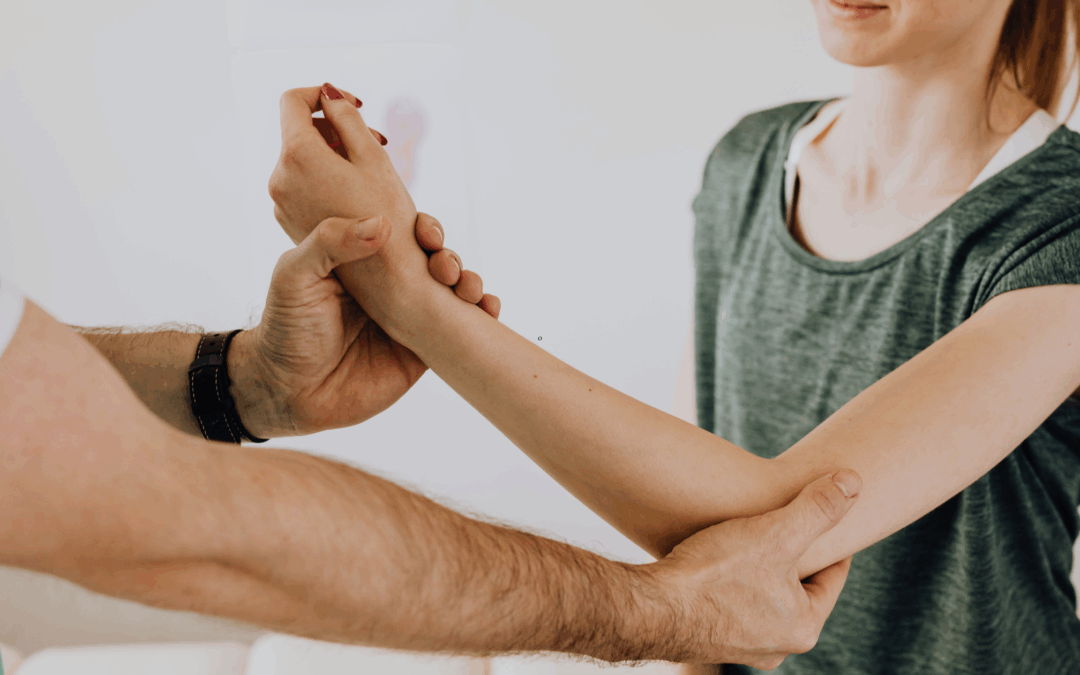
In some cases, structured physical therapy can enhance recovery. Targeted exercises help strengthen supporting muscles and improve joint stability, which can maximize the benefits of regenerative therapy.
Avoid Anti-Inflammatory Medications
Because regenerative treatments rely on the body’s natural inflammatory healing response, some providers recommend temporarily avoiding medications such as NSAIDs unless directed otherwise.
Maintain Healthy Habits
Proper hydration, balanced nutrition, and quality sleep all support tissue repair and overall healing.
When Will I See Results?
Regenerative medicine works differently than treatments designed for immediate pain relief. Instead of masking symptoms, these therapies aim to address the underlying source of tissue damage.
For this reason, results typically develop gradually.
- 4–6 weeks for early symptom relief
- 8–12 weeks for more significant healing
- 3–6 months for full regenerative effects
The exact timeline depends on the type of treatment, the severity of the condition, and individual health factors.
Follow-Up Care Matters
Follow-up visits allow your physician to monitor healing progress and ensure that recovery is on track. During these appointments, adjustments may be made to activity levels, rehabilitation plans, or additional treatment options if needed.
Some patients may benefit from a series of regenerative treatments, depending on their condition and treatment goals.
A Personalized Healing Journey
Regenerative medicine represents a shift toward treatments that work with the body’s natural biology rather than relying solely on medications or surgery. While results take time to develop, many patients appreciate the potential for long-term improvement and restored function.
If you are considering regenerative treatments or have recently undergone a procedure, staying informed and actively participating in your recovery plan can make a meaningful difference in your outcome.
Working closely with your care team helps ensure that your healing journey is safe, effective, and aligned with your long-term health goals.
Jan 9, 2026
For many people living with chronic joint, tendon, or spine pain, surgery can feel like an inevitable next step. While surgery is sometimes necessary, it is not always the only option. Advances in regenerative medicine have created new possibilities for pain relief and tissue healing that may help some patients delay, or even avoid, surgical intervention.
Understanding how regenerative treatments work, who may benefit, and their limitations can help patients make informed decisions about their care.
What Are Regenerative Treatments?
Regenerative treatments are therapies designed to support the body’s natural healing processes rather than simply masking pain or removing damaged tissue. Instead of cutting or replacing structures, these treatments aim to encourage repair at the cellular level.
Common regenerative approaches include platelet-based therapies and other biologic injections that are derived from the patient’s own body. These treatments are most often used for musculoskeletal conditions affecting joints, ligaments, tendons, and certain spinal structures.
How Regenerative Treatments May Reduce the Need for Surgery
Surgery is typically recommended when pain and functional limitations persist despite conservative care. Regenerative therapies may help fill the gap between traditional treatments and surgical intervention by addressing underlying tissue damage earlier in the disease process.
Potential ways regenerative treatments may help avoid surgery include:
• Reducing inflammation that contributes to pain and stiffness
• Supporting tissue repair in tendons, ligaments, and cartilage
• Improving joint function and mobility
• Slowing degenerative changes when used appropriately
• Enhancing recovery when combined with physical therapy
For patients with mild to moderate degeneration or soft tissue injuries, these effects may significantly improve quality of life without the risks and recovery time associated with surgery.
Conditions Where Regenerative Treatments May Be Helpful
Regenerative therapies are not a cure-all, but they may be beneficial for certain conditions, including:
• Osteoarthritis of the knee, shoulder, or hip
• Tendon injuries such as tennis elbow or rotator cuff tendinopathy
• Ligament sprains or chronic instability
• Mild to moderate degenerative disc-related pain
• Joint overuse injuries
Patients with advanced joint collapse, severe structural damage, or progressive neurological symptoms may still require surgical evaluation.
Benefits Compared to Surgery
One of the primary reasons patients explore regenerative treatments is the desire to avoid surgery-related risks and downtime.
Potential advantages include:
• Minimally invasive procedures
• Shorter recovery periods
• Reduced risk of complications
• Outpatient treatment setting
• Use of the patient’s own biological materials
These factors make regenerative therapies an appealing option for patients who want to remain active or who may not be ideal surgical candidates.
Limitations and Realistic Expectations
While regenerative treatments can be effective for some patients, they are not guaranteed to eliminate pain or fully reverse degeneration. Results can vary based on the condition being treated, the severity of damage, overall health, and adherence to a rehabilitation plan.
It is also important to understand that regenerative treatments work best as part of a comprehensive pain management strategy that may include physical therapy, activity modification, and lifestyle changes.
Who Is a Good Candidate?
Good candidates for regenerative treatments often include patients who:
• Have not found sufficient relief with medications or therapy
• Want to delay or avoid surgery
• Have mild to moderate tissue damage
• Are willing to commit to follow-up care and rehabilitation
A thorough evaluation by a pain management or spine specialist is essential to determine whether regenerative treatments are appropriate.
The Importance of Personalized Care
No two patients are the same, and treatment decisions should never be one-size-fits-all. A personalized approach allows providers to weigh the potential benefits of regenerative therapies against other conservative or interventional options.
In some cases, regenerative treatments may delay surgery for years. In others, they may reduce pain enough to make daily activities manageable without surgery.
Final Thoughts
Regenerative treatments represent an exciting and evolving area of pain management. While they may not replace surgery for everyone, they offer a promising option for patients seeking less invasive solutions for chronic pain and musculoskeletal conditions.
If you are considering regenerative treatments, discussing your goals, expectations, and long-term plan with a qualified pain specialist can help you determine whether this approach may help you avoid, or at least postpone, surgery.
Sep 12, 2025
Regenerative medicine, including therapies like platelet-rich plasma (PRP), stem cell therapy, and other biologic injections, offers exciting possibilities for healing chronic pain and musculoskeletal injuries. While these treatments can stimulate the body’s natural repair processes, your preparation and aftercare play an important role in recovery and results.
Here are some practical tips to help you prepare for your procedure and ensure a smooth recovery:
1. Follow Pre-Treatment Instructions
Your provider will likely give you specific guidelines before your treatment. This may include stopping certain medications (like anti-inflammatories or blood thinners), avoiding alcohol, and staying hydrated. Following these directions carefully can optimize your results.
2. Support Your Body with Proper Nutrition
Good nutrition helps your body heal. Focus on a diet rich in lean proteins, leafy greens, fruits, whole grains, and healthy fats. Foods rich in vitamin C, zinc, and omega-3s support tissue repair and reduce inflammation naturally. Staying well hydrated is equally important.
3. Plan for Downtime
While regenerative treatments are minimally invasive, your body still needs time to heal. Depending on the procedure, you may need to limit certain activities for a few days or weeks. Arrange your schedule so you have time to rest and avoid overexertion.
4. Prepare Your Home Environment
Make recovery easier by preparing in advance:
- Have comfortable seating with pillows for support.
- Keep frequently used items within reach.
- Stock up on healthy snacks and easy-to-prepare meals.
- If mobility will be limited, consider arranging temporary help with chores.
5. Avoid Overuse of Treated Areas
It can be tempting to test improvements right away, but pushing your body too soon may slow healing. Follow your provider’s instructions on activity levels, physical therapy, and exercise. Gradual return to movement is key.
6. Commit to a Healing Mindset
Stress management, patience, and mental wellness are part of recovery. Techniques like meditation, breathing exercises, or journaling can help you stay positive and reduce anxiety while your body heals.
7. Stay Consistent with Follow-Up Care
Regenerative medicine is often a process rather than a one-time fix. Attend follow-up appointments, participate in recommended physical therapy, and communicate openly with your provider about your progress.
Final Thoughts
Regenerative treatments can be life-changing, but the best results come from being proactive and engaged in your own recovery. By preparing your body, planning your environment, and following professional guidance, you’ll give yourself the best chance for a smoother recovery and long-term benefits.
Nov 27, 2020
Regenerative treatments use the body’s own unique healing properties to alleviate painful orthopedic conditions and address the underlying cause of the pain.
Regenerative medicine has the potential to repair or replace tissues damaged by age, disease or trauma. It can be used to treat a number of orthopedic conditions including the following:
- Bursitis
- Carpal Tunnel Syndrome
- Disc Degeneration and Tears
- Golfer’s Elbow and Tennis Elbow
- Herniated Discs
- Osteoarthritis of the knees, hips, back, shoulders and neck
- Plantar Fasciitis
- Tendon Tears and Tendinitis
How Do Regenerative Treatments Work?
The body is a finely tuned machine. Like any piece of machinery, it will send a signal when something is not working correctly. When a gasket fails on an engine and leaks oil, this leak is a signal that there is a problem. In the same way, when a body part fails, the body sends a signal to indicate there is a problem. Typically, it does this through the sensation of pain.
Regenerative treatments use the patient’s own cells in the form of platelet rich plasma or healing cells derived from fat tissue or bone marrow, to heal the underlying cause of the pain. These cellular products are referred to as Orthobiologics.
How Do Orthobiologics Work?
- Platelet Rich Plasma: Platelets in the patient’s own blood release growth factors and proteins that promote tissue repair, while the plasma carries the hormones, electrolytes and nutrients required to nourish cells during the healing process.
- Cell Based Therapies: Healing cells taken from the patient’s own fat tissue (adipose) or bone marrow contain adult stem cells that have the unique ability to develop into the specific kind of cell needed by the body. They possess molecules that direct other cells in the injured area to form new blood vessels, awaken more stem cells and encourage production of proteins and other materials essential for creating new healthy tissues.
- Prolotherapy (Proliferative Therapy): Natural medications that help the body jump-start its own natural healing response are injected into the injured area.
Minimally Invasive Pain Relief for Orthopedic Conditions
Orthobiologic regenerative treatments are performed on an out-patient basis and do not require hospitalization or lengthy rehabilitation. The healing cells are obtained from the patient through a needle or small cannula and are returned to the injured site on the same day.
Experienced, reputable practitioners of regenerative medicine follow the U.S Food and Drug Administration (FDA) guidelines for the performance of these procedures and follow strict protocols to ensure safety and efficacy. Patients considering regenerative treatments should seek the expertise of board certified-physicians who are specialized in diagnosing and treating orthopedic conditions. They have the regenerative medicine skills and experience necessary to promote safety, comfort and a successful outcome.
Drs. Christopher J. Rogers and Mary A. Ambach of San Diego Orthobiologics Medical Group together have successfully treated thousands of patients with cell-based therapies for more than three decades. They are board-certified in Physical Medicine and Rehabilitation. As published authors and stem cell researchers, they were chosen to participate in a first of its kind, FDA-approved clinical trial to treat knee osteoarthritis. The SDOMG facility in Carlsbad contains the most advanced Regenerative Medicine technology in San Diego and offers same day treatments with the highest level of safety, efficacy and patient satisfaction.
