
Chronic pain is rarely caused by a single issue—and it rarely responds to a one-size-fits-all solution. For many patients, long-term relief requires a comprehensive, personalized approach that addresses both symptoms and underlying causes. One of the most promising additions to modern pain management is regenerative medicine.
Rather than simply masking discomfort, regenerative therapies aim to support the body’s natural healing processes. When combined with other treatments, regenerative medicine can play a powerful role in reducing pain, improving function, and enhancing overall quality of life.
What Is Regenerative Medicine?
Regenerative medicine focuses on repairing or restoring damaged tissues using the body’s own biological resources. Two of the most commonly used treatments in pain management include:
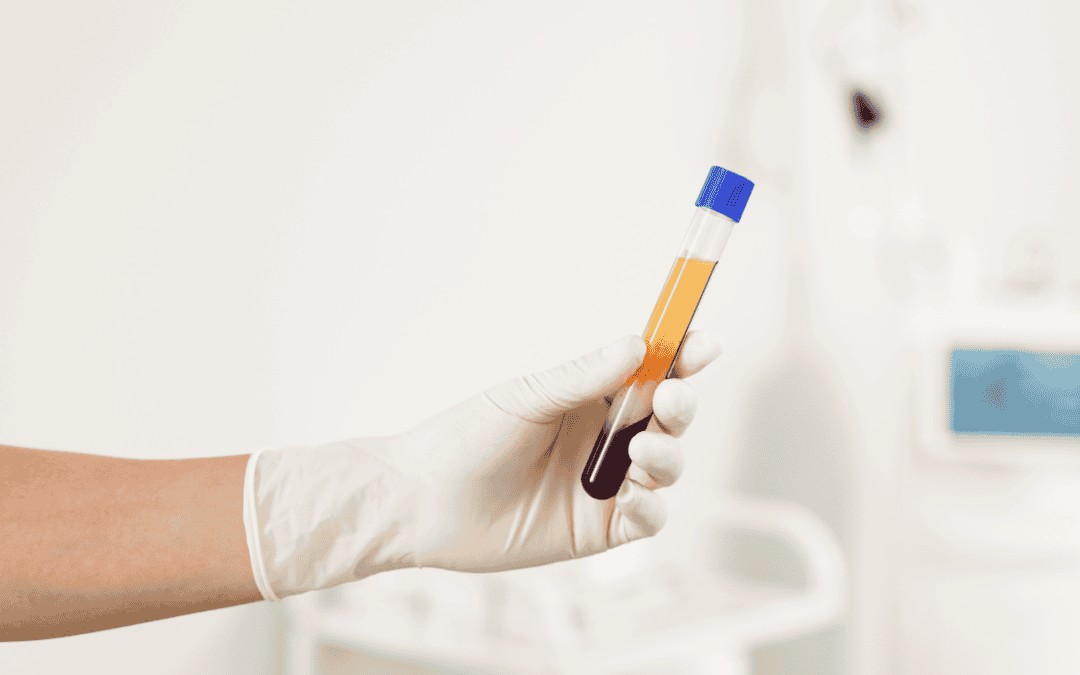
- Platelet-Rich Plasma (PRP): A concentration of platelets derived from your own blood, rich in growth factors that promote healing.
- Stem Cell Therapy: Uses specialized cells (often from bone marrow or adipose tissue) that can help repair damaged structures and reduce inflammation.
These therapies are often used to treat conditions involving joints, ligaments, tendons, and even certain spinal issues.
Why Regenerative Medicine Matters in Pain Care
Traditional pain treatments—such as medications, injections, or even surgery—often focus on symptom control. While these approaches can be effective, they don’t always address the root cause of the problem.
Regenerative medicine offers a different approach by:
- Supporting tissue repair and healing
- Reducing inflammation at the source
- Potentially delaying or avoiding surgery
- Promoting longer-lasting relief compared to temporary treatments
Conditions Commonly Treated with Regenerative Therapies
Regenerative medicine is frequently used as part of a broader pain management strategy for conditions such as:
- Osteoarthritis (knee, hip, shoulder)
- Tendon injuries (such as rotator cuff or Achilles tendon issues)
- Ligament sprains and instability
- Degenerative disc disease
- Chronic joint pain
Integrating Regenerative Medicine into a Comprehensive Plan
The most effective pain management strategies combine multiple therapies tailored to the individual. Regenerative medicine is rarely used in isolation—instead, it works best as part of a coordinated plan that may include:
Physical Therapy
Rehabilitation helps strengthen surrounding muscles, improve mobility, and support healing after regenerative treatments.
Interventional Procedures
Targeted injections, nerve blocks, or minimally invasive procedures can provide additional pain relief and improve function.
Lifestyle Modifications
Weight management, nutrition, posture, and activity adjustments all play a role in long-term success.
Behavioral and Psychological Support
Chronic pain affects both the body and mind. Stress management, cognitive behavioral therapy, and sleep optimization can enhance treatment outcomes.
What to Expect from Treatment
Regenerative therapies are typically performed in an outpatient setting and involve minimal downtime. However, results are not immediate. Because these treatments stimulate natural healing, improvement often occurs gradually over weeks to months.
Patients may experience:
- Mild soreness after the procedure
- Gradual reduction in pain
- Improved strength and function over time
A series of treatments may be recommended depending on the condition and severity.
Is Regenerative Medicine Right for You?
Regenerative medicine is an exciting and evolving field, but it is not a cure-all. The best candidates are typically individuals who:
- Have chronic musculoskeletal pain
- Want to avoid or delay surgery
- Have not found sufficient relief from conservative treatments
- Are committed to a comprehensive care plan
A thorough evaluation by a qualified pain specialist is essential to determine whether these therapies are appropriate.
The Bottom Line
Regenerative medicine represents a shift in how we approach pain care—from simply managing symptoms to actively supporting healing. When integrated into a comprehensive treatment plan, therapies like PRP and stem cell injections can help patients achieve meaningful, lasting improvements.
If you are living with chronic pain, exploring regenerative options as part of a broader strategy may open the door to better outcomes and a more active, comfortable life.