Mar 21, 2025
Joint pain and degeneration can have a significant impact on your daily life. From stiff knees and aching hips to painful shoulders, these problems often limit mobility and diminish your quality of life. While traditional treatments like surgery and joint replacement may seem like the only solution, advances in regenerative medicine are opening new doors for non-surgical care. One such innovation is Bone Marrow Concentrate (BMC) therapy, a promising approach for joint repair that harnesses your body’s own healing potential.
In this article, we’ll break down what BMC therapy is, how it works, and why it may be an option for patients seeking alternatives to surgery.
What Is Bone Marrow Concentrate (BMC)?
Bone marrow concentrate is a regenerative treatment that uses cells harvested from your own bone marrow to support tissue repair and reduce inflammation in damaged joints.
Your bone marrow contains a rich mix of cells, including mesenchymal stem cells (MSCs), platelets, and growth factors. These components play a crucial role in your body’s natural ability to heal injuries and regenerate tissues. When concentrated and carefully injected into an injured joint, they may help stimulate repair in cartilage, ligaments, and tendons.
Unlike joint replacement surgery, BMC is minimally invasive and performed as an outpatient procedure. It’s commonly used for patients with:
- Osteoarthritis (mild to moderate cases)
- Cartilage damage
- Tendon or ligament injuries (like rotator cuff tears or ACL strains)
- Chronic joint pain in the knee, hip, shoulder, ankle, and spine
How Does BMC Therapy Work?
BMC therapy works in three key stages:
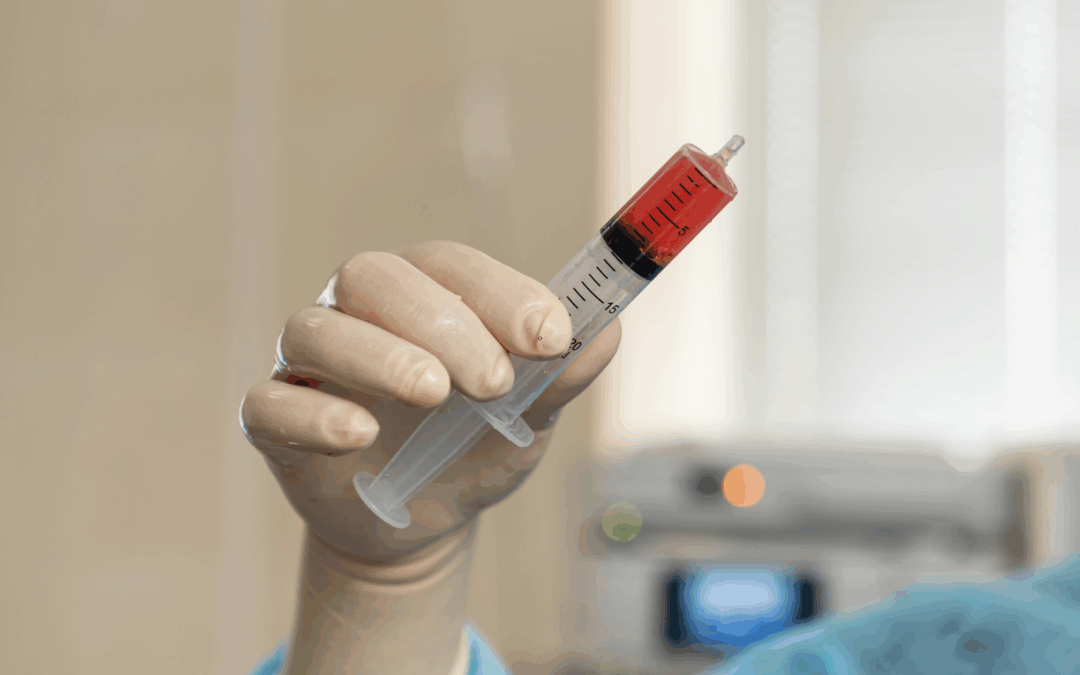
- Harvesting Bone Marrow
- The procedure begins with drawing a small amount of bone marrow, usually from the back of your pelvis (the iliac crest). This is done under local anesthesia to keep you comfortable.
- The harvested marrow contains a mix of stem cells, platelets, and healing factors.
- Processing and Concentration
- The collected marrow is processed using a specialized centrifuge that separates and concentrates the healing components. This creates a potent solution rich in mesenchymal stem cells and growth factors.
- Injection into the Damaged Joint
- The concentrated solution is then precisely injected into the affected joint using imaging guidance (like ultrasound or fluoroscopy) to ensure accuracy.
- Once injected, these cells work to reduce inflammation, promote tissue repair, and support the regeneration of damaged structures.
The entire process typically takes a few hours, and most patients return home the same day.
Benefits of BMC for Joint Repair
Many patients are drawn to bone marrow concentrate therapy because it offers a range of potential advantages over traditional surgical options:
✅ Non-Surgical – No large incisions, general anesthesia, or prolonged hospital stays.
✅ Uses Your Body’s Own Healing Cells – Minimizes the risk of rejection or allergic reaction.
✅ Minimally Invasive – Lower risk of complications compared to surgery.
✅ Faster Recovery – Most patients resume normal activities within days or weeks rather than months.
✅ Potential for Cartilage Repair – Early research suggests that BMC may support the regeneration of cartilage in some cases.
✅ Delays or Avoids Surgery – For some patients, BMC can reduce symptoms enough to delay or even avoid joint replacement surgery altogether.
Is Bone Marrow Concentrate Effective?
While BMC therapy is still considered an emerging treatment, growing research and clinical experience suggest it holds promise for patients with joint pain and early degenerative changes.
- A 2021 review published in Stem Cells International found that BMC injections improved pain and function in patients with knee osteoarthritis.
- Another study in The American Journal of Sports Medicine showed significant improvements in patients with cartilage defects after BMC therapy.
It’s important to note that outcomes vary from patient to patient. The therapy works best in patients with mild to moderate joint damage and may be less effective in advanced osteoarthritis or “bone-on-bone” joints.
Who Is a Good Candidate for BMC Therapy?
BMC therapy is not for everyone, but it may be a good option if you:
✔️ Have joint pain from arthritis, cartilage damage, or soft tissue injury
✔️ Want to avoid or delay joint replacement surgery
✔️ Are not getting relief from conservative treatments like physical therapy, medications, or cortisone injections
✔️ Are in overall good health and can tolerate a minor procedure
Patients with severe joint damage or advanced arthritis may not respond as well to BMC and may require other interventions. A thorough evaluation by a qualified physician is essential to determine if you’re a candidate.
What to Expect After BMC Therapy
After the procedure, you may experience some soreness or swelling in the treated area for a few days. This is a normal part of the healing response.
- Most patients can walk and return to light activities the next day.
- Strenuous exercise and high-impact activities are typically restricted for 4–6 weeks.
- Improvements in pain and function may take several weeks to develop as the regenerative process unfolds.
Your provider will give you a customized post-procedure plan to optimize healing.
How Does BMC Compare to Other Regenerative Therapies?
BMC therapy is often compared to Platelet-Rich Plasma (PRP) injections, another regenerative treatment.
| Feature |
BMC |
PRP |
| Source |
Bone marrow cells and growth factors |
Platelets from your blood |
| Contains Stem Cells? |
✅ Yes (mesenchymal stem cells) |
❌ No |
| Used For |
Moderate joint damage, cartilage repair |
Mild joint pain, soft tissue injuries |
For patients with more advanced joint damage, BMC may offer additional regenerative potential due to its stem cell content.
Is BMC Therapy Right for You?
If you’re struggling with joint pain and searching for a way to stay active without surgery, Bone Marrow Concentrate therapy may be worth exploring. By working with a regenerative medicine specialist, you can find out if BMC aligns with your goals and health needs.
While it’s not a magic bullet or guaranteed cure, it represents an exciting advancement in orthopedics and pain management – one that gives your body a chance to heal itself naturally.
Final Thoughts
Bone marrow concentrate therapy is a cutting-edge, minimally invasive treatment that’s helping many people find relief from joint pain and improve their quality of life. For patients seeking alternatives to joint replacement surgery, it could be the next step toward moving freely again.
Talk to your provider about whether BMC therapy is an appropriate option for you, and take the first step in exploring this innovative, non-surgical approach to joint repair.

Jan 15, 2025
As researchers and medical professionals delve deeper into the world of cellular therapy, understanding its efficacy has become a crucial area of focus. Efficacy, in this context, refers to the ability of a particular treatment or intervention to produce the desired therapeutic effect under controlled conditions. By examining the efficacy of cellular therapy, healthcare providers can make informed decisions about the most appropriate and effective treatment options for their patients, ultimately leading to better overall patient care and outcomes.
Understanding the Efficacy of Cellular Therapy
The efficacy of cellular therapy is a multifaceted concept, influenced by a variety of factors. To fully comprehend the effectiveness of this approach, it is essential to explore the various aspects that contribute to its success.
One of the key factors in determining the efficacy of cellular therapy is the specific type of cells being used. Different cell types, such as stem cells, immune cells, or tissue-specific progenitor cells, have unique properties and capabilities that can impact their therapeutic potential. The source of these cells, whether they are derived from the patient’s own body (autologous) or from a donor (allogeneic), can also play a significant role in the therapy’s efficacy.
Another crucial aspect is the method of cell delivery. Cellular therapies can be administered through various routes, such as intravenous infusion, direct injection into the target tissue, or even implantation of engineered tissue constructs. The choice of delivery method can significantly influence the cells’ ability to reach and integrate with the damaged or diseased area, ultimately affecting the overall efficacy of the treatment.
Furthermore, the specific medical condition being treated is a key determinant of cellular therapy’s efficacy. Different diseases and injuries may respond differently to the same cellular therapy, as the underlying pathophysiology and the cellular and molecular mechanisms involved can vary greatly. Consequently, the efficacy of cellular therapy may be more pronounced in certain disease states compared to others.
Factors Affecting the Efficacy of Cellular Therapy
The efficacy of cellular therapy is influenced by a complex interplay of various factors, both intrinsic and extrinsic to the therapy itself. Understanding these factors is crucial in optimizing the effectiveness of this innovative approach to healthcare.
Intrinsic Factors
- Cell Type and Source: As mentioned earlier, the specific type of cells used in the therapy, as well as their source (autologous or allogeneic), can significantly impact the efficacy of the treatment.
- Cell Potency and Function: The inherent potency and functional capabilities of the cells used in the therapy are critical determinants of their ability to effectively repair, regenerate, or modulate the target tissue or disease.
- Cell Viability and Purity: Maintaining the viability and purity of the cells throughout the manufacturing and delivery process is essential to ensure their optimal therapeutic potential.
- Cell Expansion and Manipulation: The methods used to expand and manipulate the cells, such as in vitro culture conditions and genetic engineering, can influence their therapeutic properties and efficacy.
Extrinsic Factors
- Delivery Route and Timing: The method and timing of cell delivery can greatly impact the cells’ ability to reach and engraft within the target tissue, thereby affecting the overall efficacy of the therapy.
- Microenvironmental Factors: The specific characteristics of the target tissue or disease environment, such as inflammation, hypoxia, or the presence of inhibitory factors, can influence the cells’ ability to survive, proliferate, and exert their intended therapeutic effects.
- Patient-Specific Factors: Individual patient characteristics, such as age, underlying health conditions, and immune status, can play a significant role in the efficacy of cellular therapy.
- Regulatory and Manufacturing Considerations: The regulatory framework and manufacturing processes involved in the development and production of cellular therapies can impact their quality, consistency, and ultimately, their efficacy.
Future Advancements and Potential of Cellular Therapy
As the field of cellular therapy continues to evolve, researchers and healthcare professionals are actively exploring new frontiers to further enhance the efficacy and potential of this innovative approach. Several exciting advancements and areas of exploration are shaping the future of cellular therapy:
- Stem Cell Technology: Ongoing research into the use of different types of stem cells, such as embryonic, induced pluripotent, and adult stem cells, is aimed at unlocking their full therapeutic potential and improving their efficacy in a wide range of medical applications.
- Genetic Engineering and Cell Modification: Advances in genetic engineering and cell manipulation techniques are enabling the development of genetically modified or engineered cells with enhanced therapeutic properties, potentially leading to improved efficacy and targeted treatments.
- Combination Therapies: The integration of cellular therapy with other treatment modalities, such as biomaterials, drugs, or even other cell-based approaches, is being explored to create synergistic effects and improve overall efficacy.
- Personalized Medicine: The growing emphasis on personalized and precision medicine is driving the development of tailored cellular therapies that are optimized for individual patient needs, taking into account their unique genetic, molecular, and clinical profiles.
- Improved Delivery and Targeting: Researchers are investigating innovative methods of cell delivery and targeting, such as the use of biomimetic materials, nanoparticles, or tissue-specific homing strategies, to enhance the cells’ ability to reach and integrate with the target tissue.
- Real-World Evidence and Data Analytics: The collection and analysis of real-world data on the use and outcomes of cellular therapies will provide valuable insights into their efficacy, safety, and long-term effects, ultimately informing clinical decision-making and driving further advancements.
The Promising Future of Cellular Therapy and Its Efficacy in Improving Patient Outcomes
As the field of cellular therapy continues to evolve, the promise of this innovative approach to healthcare becomes increasingly evident. By harnessing the inherent regenerative and therapeutic capabilities of living cells, cellular therapies hold the potential to revolutionize the way we treat a wide range of medical conditions, from chronic diseases to acute injuries.
The ongoing research and development in this field are steadily uncovering new ways to enhance the efficacy of cellular therapies. From advancements in stem cell technology and genetic engineering to the integration of personalized medicine and improved delivery methods, the future of cellular therapy looks increasingly bright.
As healthcare providers and researchers work together to better understand the factors that influence the efficacy of cellular therapies, they can make more informed decisions about the most appropriate and effective treatment options for their patients. This, in turn, can lead to improved patient outcomes, reduced reliance on traditional, more invasive treatments, and a greater overall quality of life for those who benefit from these innovative therapies.
To learn more about the latest advancements in cellular therapy and how it can benefit your healthcare needs, schedule a consultation with one of the experts at San Diego Orthobiologics Medical Group today. Our team is dedicated to providing personalized, evidence-based solutions to help you achieve your optimal health and wellness.
Jan 4, 2025
Prolotherapy, also known as regenerative injection therapy, is a medical treatment that involves injecting a substance into damaged or weakened tissues to promote healing and reduce pain. This non-surgical procedure has gained popularity in recent years due to its effectiveness in treating a wide range of conditions. Prolotherapy works by stimulating the body’s natural healing response, which leads to the growth of new, healthy tissue in the affected area. This article will explore the various applications of prolotherapy and the conditions it is commonly used to treat.
How does Prolotherapy work?
Prolotherapy works by triggering the body’s natural healing process. During the procedure, a solution containing a combination of dextrose (a type of sugar), lidocaine (a local anesthetic), and a mild irritant is injected into the damaged tissue. This solution acts as an irritant, causing a controlled inflammation response in the area. The inflammation signals the body to send healing cells and growth factors to the site, stimulating the repair and strengthening of the damaged tissue.
The growth factors and healing cells released during the inflammation process promote the growth of new collagen fibers, which are essential for tissue repair. These newly formed collagen fibers strengthen the weakened or damaged tissue, improving its stability and reducing pain. Prolotherapy also increases blood flow to the area, further enhancing the healing process.
Common Conditions Treated with Prolotherapy
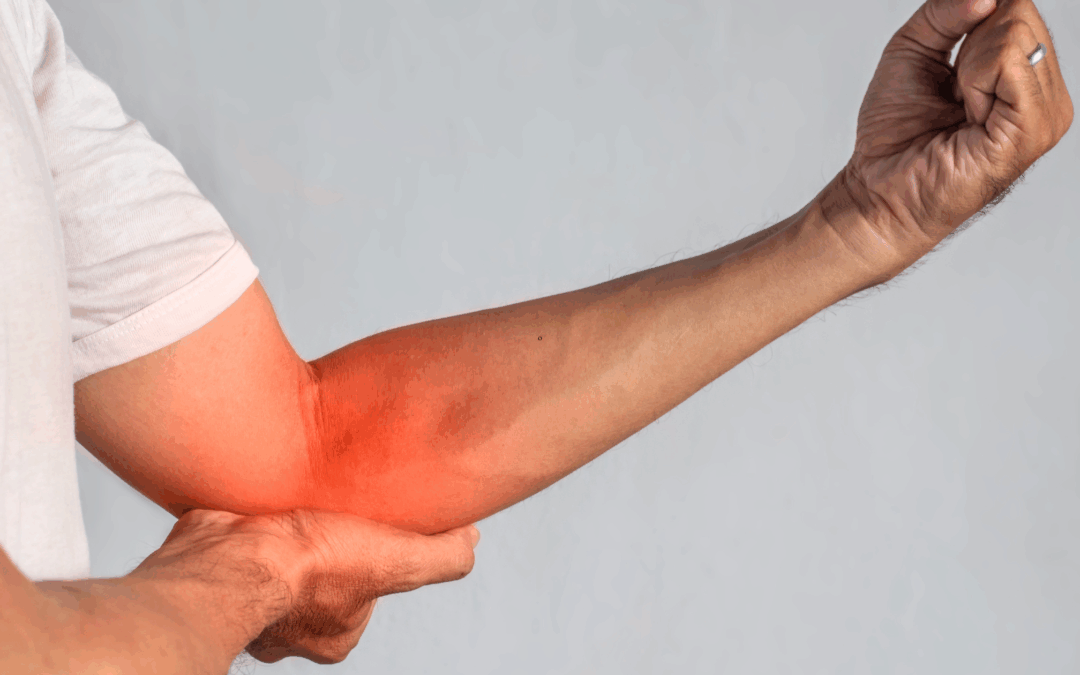
Prolotherapy is a versatile treatment that can be used to address various musculoskeletal conditions. One of the most common conditions treated with prolotherapy is tendonitis. Tendonitis refers to the inflammation of a tendon, which can cause pain, swelling, and limited mobility. Prolotherapy injections help reduce inflammation and promote the healing of the damaged tendon, providing long-term relief from pain and discomfort.
Another condition that can be effectively treated with prolotherapy is ligament sprains. Ligament sprains occur when the ligaments, which connect bones to each other, are stretched or torn. Prolotherapy injections strengthen the damaged ligaments, improving their stability and reducing pain. This treatment is particularly beneficial for athletes and individuals who engage in physical activities that put stress on the ligaments.
Treating musculoskeletal injuries
Prolotherapy has shown promising results in the treatment of various musculoskeletal injuries. It can be used to treat conditions such as rotator cuff tears, tennis elbow, and Achilles tendonitis. The injections stimulate the healing process in the injured tissues, leading to the regeneration of healthy tissue and the restoration of function. Prolotherapy is often used in conjunction with physical therapy to optimize the recovery process and achieve long-lasting results.
Chronic Pain Management
Chronic pain can greatly impact a person’s quality of life, making even simple daily activities challenging. Prolotherapy offers a non-surgical and drug-free option for managing chronic pain. It is commonly used to treat conditions such as arthritis, fibromyalgia, and chronic back pain. The injections promote tissue regeneration and reduce inflammation, providing relief from pain and improving overall function. Many patients who have undergone prolotherapy for chronic pain management have reported significant improvements in their symptoms and a reduced reliance on pain medications.
Prolotherapy for Osteoarthritis
Osteoarthritis is a degenerative joint disease that affects millions of people worldwide. It occurs when the cartilage, which cushions the joints, wears down over time, leading to pain, stiffness, and reduced mobility. Prolotherapy can be an effective treatment option for osteoarthritis, particularly in the early stages of the disease. The injections stimulate the growth of new cartilage and improve joint stability, alleviating pain and slowing down the progression of the disease. Prolotherapy can be used in conjunction with other treatments, such as physical therapy and lifestyle modifications, to manage osteoarthritis effectively.
Prolotherapy for Sports Injuries
Sports injuries are common among athletes of all levels. Prolotherapy has emerged as a popular treatment option for sports-related injuries due to its ability to promote tissue regeneration and reduce pain. It is often used to treat conditions such as sprained ankles, torn ligaments, and strained muscles. Prolotherapy injections accelerate the healing process, allowing athletes to recover faster and return to their sport with improved performance.
Back and Neck pain
Back and neck pain can be debilitating, affecting a person’s ability to perform everyday tasks and impacting their overall well-being. Prolotherapy is a valuable treatment option for individuals suffering from chronic back and neck pain. The injections strengthen the damaged tissues in the spine, including the ligaments and tendons, providing stability and reducing pain. Prolotherapy can be used as a standalone treatment or in combination with other therapies, such as chiropractic adjustments and physical therapy, to achieve optimal results.
Prolotherapy for Joint Instability
Joint instability, often caused by ligament laxity or injury, can lead to recurring dislocations, pain, and limited mobility. Prolotherapy injections can effectively treat joint instability by strengthening the weakened ligaments and improving joint stability. By promoting tissue regeneration and reducing inflammation, prolotherapy helps restore normal joint function and provides long-term relief from instability-related symptoms.
Is Prolotherapy Right for You?
Prolotherapy is a versatile treatment option that can effectively address a wide range of musculoskeletal conditions. Whether you are suffering from chronic pain, a sports injury, or joint instability, prolotherapy offers a non-surgical and drug-free solution for promoting healing and reducing pain. However, it is essential to consult with a qualified healthcare professional to determine if prolotherapy is the right treatment option for your specific condition. They will evaluate your medical history, conduct a thorough examination, and discuss the potential benefits and risks of prolotherapy. By working closely with your healthcare provider, you can make an informed decision about whether prolotherapy is the right choice for you.
If you are experiencing chronic pain or have a musculoskeletal condition, consult with a healthcare professional at SDOMG to explore the benefits of prolotherapy and determine if it is the right treatment option for you.

Jul 12, 2024
PRP (Platelet-Rich Plasma) therapy is a regenerative medicine technique that utilizes the patient’s own blood to stimulate healing and rejuvenation in various parts of the body. It is a non-surgical, minimally invasive treatment that has gained popularity in recent years for its ability to promote natural healing and tissue repair.
PRP therapy works by extracting a concentrated sample of the patient’s own platelets, which are rich in growth factors and other beneficial proteins. This platelet-rich plasma is then injected back into the targeted area, such as a joint, tendon, or muscle, to stimulate the body’s natural healing processes.
How does PRP therapy work?
The process of PRP therapy typically involves the following steps:
- Blood draw: A small sample of the patient’s blood is drawn, usually from the arm.
- Centrifugation: The blood sample is placed in a centrifuge, which spins the blood at high speeds to separate the different components, such as red blood cells, white blood cells, and platelets.
- Platelet concentration: The platelets are isolated and concentrated, resulting in a platelet-rich plasma (PRP) solution.
- Injection: The PRP solution is then injected back into the targeted area of the body, such as a joint, tendon, or muscle, to promote healing and tissue regeneration.
The growth factors and proteins present in the concentrated platelets are believed to stimulate the body’s natural healing processes, leading to reduced inflammation, improved tissue repair, and enhanced regeneration. PRP therapy is performed in an outpatient setting, such as a clinic or doctor’s office, and typically takes less than an hour.
What conditions can PRP therapy treat?
PRP therapy has been used to treat a variety of musculoskeletal and soft tissue conditions, including:
- Osteoarthritis
- Tendinitis (e.g., tennis elbow, Achilles tendinitis)
- Ligament sprains and tears
- Muscle strains and tears
- Chronic joint pain
- Plantar fasciitis
- Rotator cuff injuries
- Meniscus tears
- Degenerative disc disease
PRP therapy can also be used to promote healing and rejuvenation in other areas of the body, such as the skin, hair, and even the face.
What are the benefits of PRP therapy?
The potential benefits of PRP therapy include:
- Reduced pain and inflammation
- Improved joint function and mobility
- Enhanced tissue healing and regeneration
- Delayed or avoided need for more invasive treatments, such as surgery
- Minimally invasive and non-surgical procedure
- Utilizes the patient’s own natural healing abilities
- Can be used in combination with other treatments for synergistic effects
PRP therapy is often considered a safe and effective alternative to more traditional treatments, such as steroid injections or pain medication, for certain musculoskeletal and soft tissue conditions.
Is PRP therapy safe?
PRP therapy is generally considered a safe and well-tolerated treatment. Since the PRP solution is derived from the patient’s own blood, there is a very low risk of adverse reactions or rejection. However, as with any medical procedure, there are some potential risks and side effects, including:
- Mild pain or discomfort at the injection site
- Temporary swelling or bruising
- Infection (rare)
- Nerve damage (rare)
To minimize the risk of complications, PRP therapy should only be performed by experienced, licensed medical professionals with appropriate training. The PRP injection should always be performed with image guidance to ensure accurate delivery of the PRP treatment to the targeted area.
What is the recovery process like after PRP therapy?
The recovery process after PRP therapy can vary depending on the specific condition being treated and the location of the injection. In general, patients can expect the following:
- Mild to moderate pain or discomfort at the injection site for the first few days after the procedure
- Temporary swelling or bruising in the treated area
- Restrictions on physical activity for a period of time, as recommended by the healthcare provider
- Gradual improvement in symptoms over the course of several weeks to months
Patients are typically advised to rest the treated area, and they may also be prescribed pain medication if needed. Physical therapy exercises may be recommended to help promote healing and restore function. It’s important for patients to follow the post-treatment instructions provided by their healthcare provider and to report any persistent or worsening symptoms.
How long does it take to see results from PRP therapy?
The time it takes to see results from PRP therapy can vary depending on the specific condition being treated and the individual’s response to the treatment. In general, patients may begin to notice improvements in their symptoms within a few weeks of the procedure, but it can take several months to see the full effects.
Some key factors that can influence the timeline for results include:
- The severity and chronicity of the condition being treated
- The location and extent of the injury or damage
- The patient’s overall health and healing ability
In some cases, patients may require more than one PRP treatment to achieve the desired results. The healthcare provider can provide a more specific timeline based on the individual patient’s case and treatment plan. It’s important for patients to be patient and to follow the recommended treatment plan, as PRP therapy is a regenerative process that takes time to fully take effect.
Is PRP therapy covered by insurance?
Most private insurance companies and Medicare do not cover PRP therapy. In most cases, patients will need to pay for the procedure out-of-pocket. The cost of PRP therapy can vary depending on geographic location, the specific body areas in need of treatment, the use of specialized processing systems to produce the PRP, the use of image guidance to perform the injection, as well as the experience and expertise of the healthcare provider performing the procedure.
Is all PRP therapy the same?
Not all PRP therapy is created equal. There are over 50 different PRP processing systems on the market, which produce different types of PRP. Some systems produce “weaker” PRP which may be insufficient to treat certain orthopedic conditions such as osteoarthritis. It is important to see a health care provider who has expertise in PRP therapy to ensure that you are getting adequate PRP for your condition.
Can PRP therapy be combined with other treatments?
Yes, PRP therapy can often be combined with other treatments to achieve synergistic effects and optimize outcomes. Some common combinations include:
- PRP therapy and physical therapy:
- PRP therapy can be used to stimulate healing and tissue regeneration, while physical therapy can help to restore function, improve range of motion, and strengthen the affected area.
- PRP therapy and shock wave therapy:
-
- In some cases, PRP therapy may be used in conjunction with shock wave therapy, as both can stimulate healing of injured tissues using different mechanisms.
- PRP therapy and other regenerative treatments:
-
- PRP therapy can be combined with other regenerative treatments, such as stem cell therapy or prolotherapy, to further enhance the body’s natural healing and tissue repair processes.
- PRP therapy and surgical procedures:
-
- PRP therapy can be used in conjunction with surgical procedures, such as tendon or ligament repairs, to help promote faster and more effective healing.
The specific combination of treatments will depend on the individual patient’s needs and the healthcare provider’s assessment of the most appropriate and effective approach. It’s important for patients to work closely with their healthcare provider to understand the rationale and potential benefits of any combined treatment plan.
Who is a good candidate for PRP therapy?
PRP therapy may be a good option for individuals who meet the following criteria:
- Suffering from an orthopedic injury or condition, such as osteoarthritis, tendinitis, or muscle/ligament tears
- Have tried more conservative treatments, such as physical therapy, anti-inflammatory medications, or steroid injections, without achieving satisfactory results
- Are generally healthy and do not have any underlying medical conditions that could interfere with the healing process
- Are willing to commit to the treatment plan, which may include physical therapy, a period of rest, and sometimes more than one PRP treatment
- Are not currently taking certain medications, such as blood thinners, that could interfere with the PRP therapy
- Have realistic expectations about the potential benefits and timeline for results
It’s important to note that PRP therapy may not be suitable for everyone, and the healthcare provider will carefully evaluate each patient’s individual case to determine if it is the most appropriate treatment option.
To learn more about PRP therapy and whether it may be a suitable treatment option for your specific condition, schedule a consultation with a qualified healthcare provider in your area. They can provide a personalized assessment and treatment plan to help you achieve your health and wellness goals.
Conclusion
PRP therapy is a promising regenerative medicine technique that has gained popularity in recent years for its ability to promote natural healing and tissue repair. By utilizing the patient’s own platelets and growth factors, PRP therapy can be an effective treatment for a variety of musculoskeletal and soft tissue conditions, including osteoarthritis, tendinitis, and muscle/ligament injuries.
While PRP therapy is generally considered safe and well-tolerated, it is important for patients to work closely with experienced healthcare providers to ensure a successful and effective treatment plan. The recovery process can vary, but most patients can expect to see gradual improvements in their symptoms over the course of several weeks to months.
PRP therapy can also be combined with other treatments, such as physical therapy or other regenerative procedures, to optimize the outcome. Patients should carefully evaluate their options and work with their healthcare provider to determine the most appropriate and cost-effective treatment plan.
Overall, PRP therapy offers a promising and innovative approach to addressing a range of musculoskeletal and soft tissue conditions, and it continues to be an area of active research and clinical investigation.

Feb 22, 2024
Knee pain can be debilitating, affecting an individual’s mobility and quality of life. Whether it’s caused by injury, arthritis, or other underlying conditions, finding an effective treatment for knee pain is crucial. One innovative solution gaining popularity is MFAT (Micro-fragmented Adipose Tissue), a minimally invasive procedure that uses a patient’s own fat tissue to promote healing and relieve knee pain. In this article, we will explore the causes of knee pain, introduce MFAT as a treatment option, delve into how MFAT works to relieve knee pain, discuss the benefits of this procedure, and provide an overview of the MFAT procedure for knee pain. If you’re suffering from knee pain and seeking an effective solution, read on to discover if MFAT is the right choice for you.
Understanding Knee Pain and Its Causes
Before diving into MFAT as a treatment option, it’s essential to understand the causes of knee pain. Knee pain can arise from a variety of factors, including injuries, overuse, or underlying medical conditions such as arthritis. Injuries like ligament tears, meniscus tears, or fractures can lead to acute knee pain that requires immediate attention. On the other hand, chronic knee pain caused by arthritis or other degenerative conditions can develop gradually over time and worsen with age. Identifying the root cause of knee pain is crucial in determining the appropriate treatment approach.
Introduction to MFAT Treatment for Knee Pain
MFAT is a cutting-edge regenerative medicine treatment that offers a promising solution for individuals suffering from knee pain. This innovative procedure utilizes the patient’s own adipose tissue, commonly known as fat, to promote healing and alleviate pain. Unlike traditional treatments that focus on managing symptoms, MFAT targets the underlying cause of knee pain by harnessing the regenerative potential of fat tissue. By introducing a concentrated dose of adipose-derived cells into the affected knee joint, MFAT stimulates the body’s natural healing process and reduces inflammation, resulting in pain relief and improved function.
How Does MFAT Work to Relieve Knee Pain?
MFAT works by harnessing the therapeutic properties of adipose tissue to promote healing and alleviate knee pain. The procedure begins with a minor lipoaspiration technique, where a small amount of fat tissue is harvested from the donor site (such as the abdomen or buttocks) using a specialized cannula. The harvested fat tissue is then processed using innovative technology, which gently cleanses and concentrates the adipose-derived cells while preserving their regenerative properties. Once processed, the concentrated adipose-derived cells, along with their surrounding extracellular matrix, are injected into the affected knee joint. These cells release growth factors and anti-inflammatory substances, stimulating tissue repair, reducing inflammation, and ultimately relieving knee pain.
Benefits of MFAT for Knee Pain Relief
MFAT offers several advantages over traditional knee pain treatments, making it an appealing option for individuals seeking long-term relief. Firstly, MFAT utilizes the patient’s own natural fat tissue, reducing the risk of adverse reactions or rejection. Since the adipose-derived cells used in the procedure come from the patient’s own body, there is no need for foreign substances or synthetic materials. Additionally, MFAT is a minimally invasive procedure that can be performed in an outpatient setting, minimizing the risks associated with more invasive surgical interventions. The recovery time is shorter compared to traditional surgery, allowing patients to return to their daily activities sooner.
MFAT Procedure for Knee Pain
The MFAT procedure for knee pain is a relatively simple and straightforward process. It begins with a thorough consultation with a qualified physician who specializes in regenerative medicine. During the consultation, the physician will assess the patient’s knee pain, review medical history, perform a physical examination, and determine if MFAT is a suitable treatment option. If deemed appropriate, the lipoaspiration procedure will be scheduled. On the day of the procedure, the patient will undergo a local anesthetic to numb the donor site. A small incision is made, and the fat tissue is gently suctioned out using a specialized cannula. The harvested fat tissue is then processed, and the concentrated adipose-derived cells are injected into the affected knee joint using a thin needle under ultrasound guidance. The entire procedure typically takes less than two hours, with minimal discomfort and downtime for the patient.
Is MFAT the Right Solution for Your Knee Pain?
Knee pain can significantly impact an individual’s quality of life, limiting mobility and causing discomfort. If you are seeking an effective solution for knee pain, MFAT may be the answer you’ve been looking for. This innovative regenerative medicine treatment offers a minimally invasive approach that targets the underlying cause of knee pain, promoting healing and reducing inflammation. With its numerous benefits, including the use of the patient’s own adipose tissue and shorter recovery time, MFAT provides an appealing alternative to traditional knee pain treatments. However, as with any medical procedure, it’s essential to consult with a physician to determine if MFAT is the right solution for your specific condition. Take the first step towards relieving your knee pain and regain your mobility by scheduling a consultation with a regenerative medicine specialist today.
Schedule a consultation with a regenerative medicine specialist at San Diego Orthobiologics Medical Group today to explore if MFAT is the right solution for your knee pain. Don’t let knee pain hold you back any longer.
Jan 2, 2024
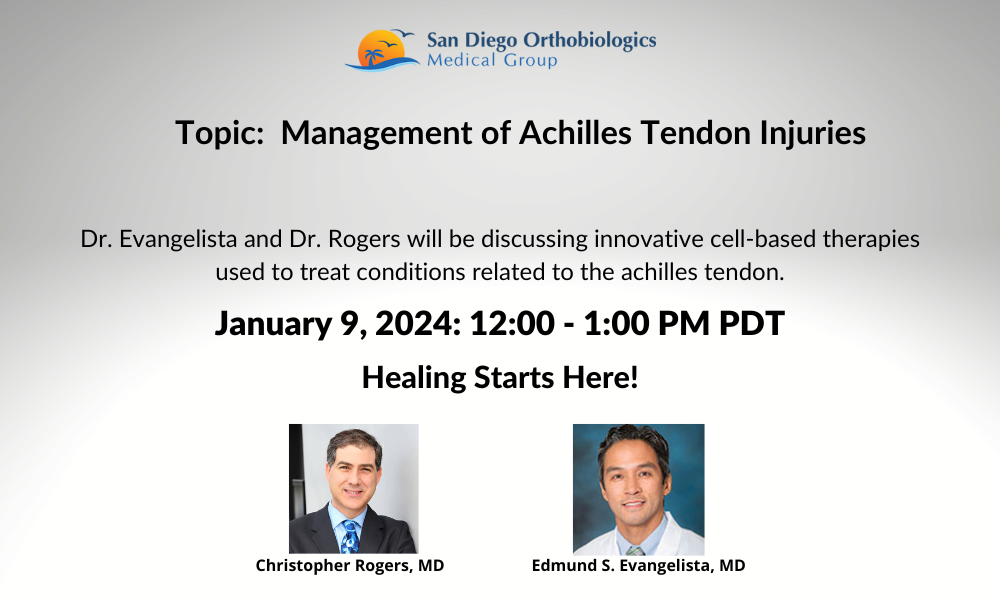
Join Dr. Rogers and Dr. Evangelista for a FREE Webinar on the Non-Surgical Management of Achilles Tendon Injuries where they will discuss common causes and innovative treatment solutions to restore patients back to better health.
When: January 9, 2024
Time: 12:00pm PDT
Register HERE for the Webinar
