Oct 27, 2020
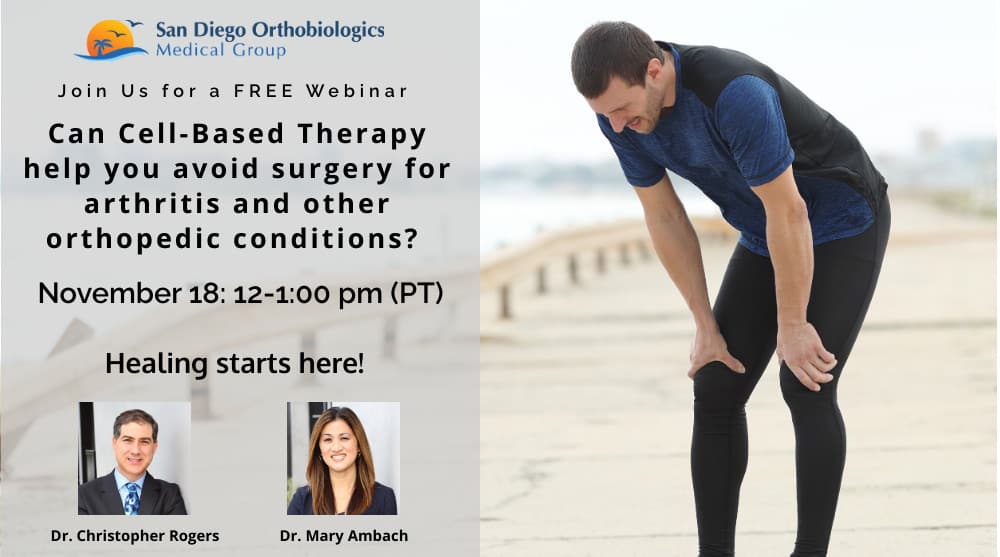
On November 18th from 12:00 -1:00 pm PT, Dr. Chris Rogers and Dr. Mary A. Ambach will present on cell-based therapies.
Webinar on Non-Surgical Treatment Options for Osteoarthritis
Join our free webinar to learn about innovative Cell based therapies as a non-surgical treatment option for osteoarthritis and other orthopedic conditions.
Click HERE to register for the webinar!
Dr. Mary Ambach specializes in non-surgical orthopedics, regenerative therapies, and interventional pain management. As a key thought leader in the field of Regenerative Medicine, Dr. Ambach conducts research, trains physicians, and lectures at international medical conferences.
Dr. Christopher Rogers is one of the world’s leading experts in orthopedic regenerative medicine and a renowned speaker at national medical conferences. He has developed new approaches for the treatment of tendon injuries, osteoarthritis, and disc degeneration which provide a safe and viable alternative to surgery.

Oct 23, 2020
Regenerative medicine represents a complete breakthrough in modern medicine. The body’s ability to heal itself naturally is actually not a new thing. A fractured bone will regrow and heal the break. Cut yourself shaving, and the skin will heal. There are many examples of our body’s innate ability to heal injuries.
Now modern science and technology are now enabling physicians to help their patients discover new ways in which the body can heal itself. Within the specialty of orthopedics, regenerative medicine is offering healing and pain relief to patients who suffer from conditions such as osteoarthritis, herniated discs or ligaments and tendons injuries.
Orthobiologics Can Boost the Body’s Own Natural Healing Abilities
Orthobiologics are cells and substances derived from cells that are naturally found in your body. By concentrating them and delivering them to the site of injury, they can help speed up the healing process.
Here’s how it works:
When you injure a bone, muscle or tendon, the platelet cells in the blood are the first responders arriving on the scene to quickly start healing. White blood cells also rush to the injury site to ward off infection, control inflammation and become the clean-up crew [i]. Other important cells like stem cells participate in this complex symphony of repair. Specialists in orthopedic regenerative medicine can now boost these natural processes through several specialized treatments that help maximize the body’s own innate healing capabilities.
Regenerative Treatments for Orthopedic Conditions
There are different orthobiologic treatments that your regenerative medicine specialist can recommend depending on your orthopedic condition:
· Platelet Rich Plasma puts the healing properties of the patient’s own blood to work to repair damaged joints, tendons and muscles. The platelets in the blood release growth factors and proteins that promote tissue repair, while the plasma carries the hormones, electrolytes and nutrients required to nourish cells during the healing process. PRP treatments are customized to the particular individual and their injury in order to be most effective.
· Cell based therapies use cells derived from the patient’s own bone marrow or adipose (fat) tissue. These cells include adult stem cells and many other healing cells. They produce molecules that direct neighboring cells in the area to form new blood vessels, decrease inflammation and encourage formation of new healthy tissues. Stem cells are special cells that have the unique ability to develop into the specific kind of cell needed, whether that be a tendon, ligament, cartilage or bone cell. Skilled regenerative medicine practitioners use highly specialized processes to prepare these cells that are then delivered directly to the injured area to stimulate healing.
· Prolotherapy (Proliferative Therapy) uses dextrose and other natural substances that are injected into a chronically injured ligament, tendon, nerves or joint in order to help the body jump-start its own natural healing response.
Beware of Imposters
As regenerative treatments have become more widely recognized for their ability to address orthopedic conditions and the chronic pain associated with it, more and more clinics are trying to get in on the action.
If you are considering regenerative treatments for pain related to osteoarthritis, tennis elbow, degenerative discs in the spine or other conditions, you should perform due diligence on the clinic that offers it. The source, processing and delivery of the regenerative materials are critical to the success of the treatment.
Currently, the U.S. Food and Drug Administration (FDA) does not allow the use of stem cells derived from birth tissue products (amniotic fluid and tissue, umbilical cord blood) to treat orthopedic conditions because these donor products have not been proven to be safe or effective. Our board-certified specialists only use your own cells (autologous) to treat orthopedic conditions.
Maximizing the effectiveness of these treatments requires a state-of-the-art facility and equipment, as well as knowledge and experience in fluoroscopic (x-ray) or ultrasound guidance to ensure targeted delivery of the healing cells to the injured area.
Orthobiologic treatments that capitalize on the body’s own natural healing abilities is one of the most exciting opportunities in modern medicine to address and resolve the chronic pain associated with orthopedic conditions that affects millions of Americans.
Drs. Christopher J. Rogers and Mary A. Ambach of San Diego Orthobiologics Medical Group together have successfully treated thousands of patients with cell based therapies for more than three decades. They are published authors and cell therapy researchers. Their facility in Carlsbad contains the most advanced Regenerative Medicine technology in San Diego and offers same day treatments with the highest level of safety and efficacy.
[i] https://www.aarp.org/health/alternative-medicine/info-11-2008/super_healing.html
[ii] https://orthoinfo.aaos.org/en/treatment/helping-fractures-heal-orthobiologics/

Oct 2, 2020
According to the U.S. Centers for Disease Control, an estimated 1 in 5 Americans, more than 50 million people, suffer from chronic pain. And, 20 million of these people suffer from pain that interferes with their lives every day.[i] Advances in medicine provide new hope to those living with chronic pain. Orthobiologics are products derived from your own cells and substances derived from those cells that are found naturally throughout the body. They can be used to treat orthopedic conditions and in many cases, avoid the need for surgery. [ii]
Scientific evidence from years of research have shown that Orthobiologic therapies that use your own cells, such as Platelet Rich Plasma (PRP) bring long-term pain relief and at the same time reduce degeneration and stimulate tissue healing.
Which conditions can be treated with Orthobiologics?
- Joint pain due to osteoarthritis or meniscus tears
- Shoulder pain due to rotator cuff tendon tears or tendinitis
- Carpal Tunnel Syndrome
- Golfer’s Elbow and Tennis Elbow
- Sciatica
- Chronic ankle ligament sprains
- Low back pain due to degenerative discs or sacroiliac joint ligament injuries
The severity of injury as well as the patient’s overall health will influence the treatment’s ability to resolve these painful conditions.
How do Orthobiologics Work?
Stem cell therapies and platelet rich plasma (PRP) treatment offer unique healing capabilities.
Adult Stem Cells can be obtained from your own adipose tissue (fat) or bone marrow and produce molecules that directly form new blood vessels, reduce inflammation and encourage tissue healing. The adipose and bone marrow tissues are obtained from the patient in the clinic with local anesthetic, prepared in a lab, and then injected into the anesthetized injury site.
Platelet Rich Plasma (PRP) use platelet cells from your own blood to reduce inflammation and stimulate healing. Plasma, the fluid part of blood, contains hormones, electrolytes and nutrients that nourish cells during the healing process. Platelets are cells that release growth factors and proteins that promote tissue repair.
How to find the best doctor for you:
With more and more medical clinics offering cell based therapies, it is important to ask specific questions and demand specific answers about how these treatments are performed.
Ask your doctor these important questions:
- Which products do you use? The US Food and Drug Administration (FDA) allows the use of your own cells and tissues that are minimally manipulated for orthopedic conditions. Commonly used tissues include your own blood, fat or bone marrow. Donor-derived products, such as birth tissues (e.g. umbilical cord blood, amniotic fluid, placenta and exosomes) have not been proven to be safe or effective and are not permitted by the FDA for use in the United States.
- Are you licensed to treat my medical condition? Orthopedic conditions are typically managed by board-certified orthopedic surgeons, physical medicine physicians, fellowship trained sports medicine physicians or pain management physicians. Chiropractors, naturopaths and primary care physicians without specialized training are not trained to diagnosis or manage these types of medical conditions.
- Does your clinic use the proper lab equipment designed to provide customized same-day treatments? The more advanced physicians who offer orthobiologic therapy can produce a variety of types of therapy, prepared with the highest standards of lab practice.
- Are the treatments customized to my specific medical condition? Every person is unique and the treatment must be customized to fit your condition.
- Do you use image guidance with x-ray or ultrasound to inject the orthobiologics into the correct tissues? Fellowship trained physicians have advanced training in the proper use of image guidance to ensure safety, efficacy and comfort.
- Do you track your patient outcomes in a data registry or participate in clinical trials?
- Do you publish scientific papers in the peer-reviewed medical journals?
When patients do their homework and ask the right questions they will find the best healthcare provider for their specific needs. They will learn that orthobiologics can treat chronic orthopedic conditions without the need for major orthopedic surgery, enjoy a quick recovery and regain the quality of life that they deserve.
Drs. Christopher J. Rogers and Mary A. Ambach of San Diego Orthobiologics Medical Group together have successfully treated thousands of patients with cell-based therapies for more than three decades. They are published authors and stem cell researchers. The SDOMG facility in Carlsbad contains the most advanced Regenerative Medicine technology in San Diego and offers same day treatments with the highest level of safety, efficacy and patient satisfaction.
[i] https://www.cdc.gov/mmwr/volumes/67/wr/mm6736a2.htm#:~:text=An%20estimated%2020.4%25%20(50.0%20million,adults%2C%20adults%20living%20in%20poverty%2C
[ii] https://www.ncbi.nlm.nih.gov/pmc/articles/PMC3931137/#:~:text=%E2%80%9COrthobiologics%E2%80%9D%2C%20refers%20to%20the,are%20naturally%20found%20in%20body
Sep 25, 2020
What are Exosomes?
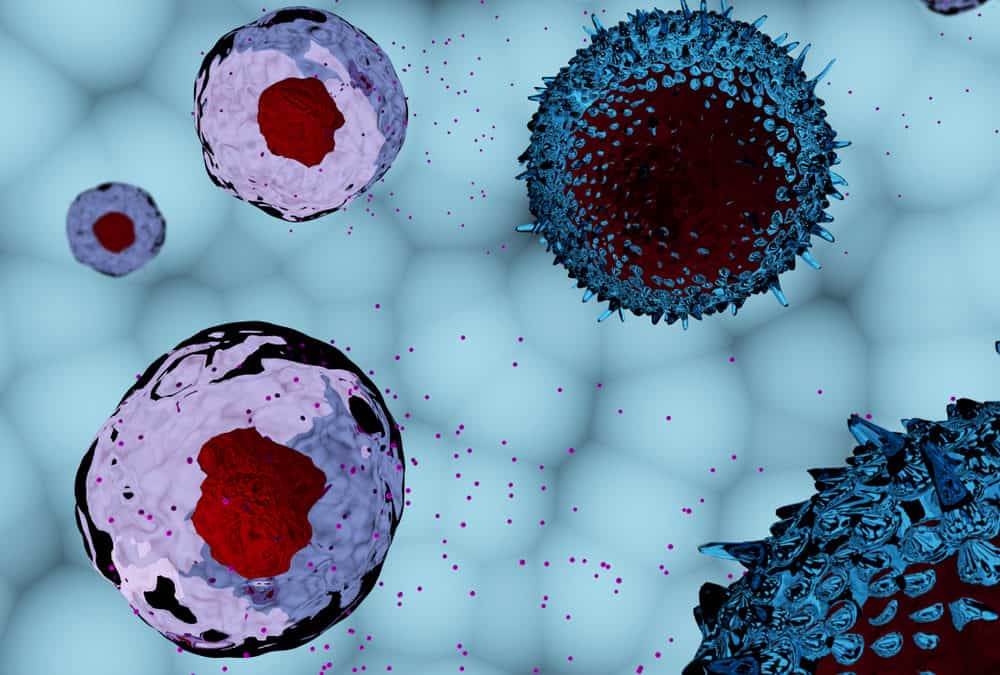
Exosomes are microscopic bubbles packed full of proteins and genetic material such as DNA and RNA. When released from cells they allow those cells to communicate with each other. The molecules and genetic material direct cell behavior such as cell growth or differentiation.
In the past decade, interest in exosomes has exploded for several reasons. First, they allow communication between cells and aid in tissue repair and regeneration. Second, they have been proposed to be useful vehicles for drugs and could be used as therapeutic agents. Third, they can be useful biomarkers of disease which aids in diagnoses and prognosis.
What is the difference between Exosomes and Stem Cells?
Stem cells are living things that have the ability to renew themselves and to turn into different kinds of cells. They contain thousands of molecules known to decrease inflammation, regenerate tissue and fight infection. Exosomes are substances secreted by all cells, including stem cells.
During the repair process, different kinds of cells or molecules are needed at the different stages of healing. The stem cells act like the conductor in an orchestra, directing cells where to go and what to do. They organize the complex symphony of cellular activity that leads to tissue healing. Different types of exosomes are produced by the stem cells and released at different times depending upon the needs of the body.
Can we use manufactured products that contain exosomes to treat orthopedic conditions?
There are currently no FDA approved exosome products. These products require FDA approval before they can be marketed for use in patients. Their safety and efficacy have not yet been proven. Although they have the potential to repair injuries and regenerate tissues, there is still much to be learned about their behavior in the body. Patients should avoid exosomes until research studies prove they are safe and effective.
Sources:
https://bmcbiol.biomedcentral.com/articles/10.1186/s12915-016-0268-z
https://www.fda.gov/vaccines-blood-biologics/consumers-biologics/consumer-alert-regenerative-medicine-products-including-stem-cells-and-exosomes
https://www.sciencedirect.com/science/article/abs/pii/S1931524418300070

Sep 18, 2020
The field of Regenerative Medicine is based on the principle that the human body can heal itself. Scientific discoveries in cellular biology, genetics and tissue engineering have been translated into treatments for previously untreatable conditions. The American Association of Blood Banks (AABB), an international association representing individuals and institutions involved in cellular treatments, describes regenerative medicine as “the process of replacing or regenerating human cells, tissues or organs to restore or establish normal function.”.
In the United States, Regenerative Medicine is a rapidly emerging field. Yet the foundations of this practice date back to ancient civilizations where human anatomy was studied and documented. Their findings were essential to the work of 18th and 19th century scientists who made huge breakthroughs in cellular biology. Cellular research completed in the 1700s and 1800s has lent a great deal to our understanding of how cells divide and proliferate. This knowledge continues to guide the advancements in the 21st century.[i]
Using cells to heal:
Since the first bone marrow cell transplant for the treatment of leukemia in 1968[ii], scientists and researchers have explored new ways to use Regenerative Medicine for the treatment of other medical conditions such as arthritis, disc degeneration and tendon injuries.
These regenerative treatments involve the use of a patient’s own cells to heal their injuries. Orthopedic medicine physicians treat injuries of the joint, ligament, tendon and bone. Platelet rich plasma (PRP) is the most commonly used orthopedic regenerative medicine treatment. PRP is produced by concentrating the platelets in a sample of a patient’s own blood. Platelets contain hundreds of growth factors that decrease inflammation and stimulate healing.
Another regenerative therapy is by using Cells that are derived from a patient’s own bone marrow and fat tissue. These Adult stem cells called Mesenchymal stem cells (MSCs) are found in these tissues and have the ability to develop into bone, tendon or cartilage cells and are important to support growth and development. In the body, they have been shown to stimulate cell growth, prevent cell death and inhibit pain or inflammation.
Prolotherapy is a form of regenerative therapy that does not involve the use of your own cells, but instead uses sugar water (dextrose) to stimulate a healing response in ligaments, tendons and joints.
These treatments do much more than simply relieve pain caused by conditions such as tendon injuries, disc degeneration or arthritis. They target the root cause of the pain and stimulate healing. This gives new hope for patients wishing to avoid medications or surgery for the treatment of their painful sports injuries and chronic degenerative conditions.
Orthopedic Conditions treated with Regenerative Medicine:
Regenerative therapies have been studied in a variety of orthopedic conditions including:
- Knee pain – arthritis and patellar tendon tears
- Hip pain – arthritis and gluteal or hamstring tendon injuries
- Shoulder pain – arthritis and rotator cuff tendon tears
- Low back pain – disc degeneration, facet joint and sacroiliac joint arthritis
- Neck pain – pinched nerves and facet joint arthritis
- Elbow pain – tennis elbow and golfer’s elbow
- Ankle and Foot pain – plantar fasciosis and arthritis
- Wrist and hand pain – carpal tunnel syndrome, tendon injuries and arthritis
Is it Safe?
Regenerative treatments use a patient’s own cells and can be performed safely, without the risk of disease transmission or immune reaction. Advanced equipment is used to concentrate the cells and cellular molecules in the blood, bone marrow or fat tissues. In the hands of a skilled physician, the use of ultrasound and digital x-ray image guidance permits the precise placement of the cells in the injury site, making the procedure safe, comfortable and effective. Dozens of published scientific articles have documented the safety of cell therapy with some tracking patients’ outcomes for more than 10 years.
However, there is a big difference between a board certified Regenerative Medicine specialist and “stem cell” clinics who merely sell umbilical cord blood, amniotic tissue or exosomes. The use of these donor birth tissue products are not permitted by the FDA because they have not been tested for safety or efficacy. They are typically sold by healthcare providers who do not have any Regenerative Medicine training and dozens of patients have been hospitalized with infections after the use of these contaminated products.
We recommend that you seek a board certified, fellowship trained physician who specializes in your medical condition and has extensive experience treating patients, conducting research and training other physicians. Ask your physician about his or her Regenerative Medicine training experience and their use of evidence-based therapies. These physicians conduct cell therapy research and track their patients’ outcomes in published regenerative medicine registries.
The work they are doing today will help shape the future of Regenerative Medicine, just as their predecessors did hundreds of years ago.
Drs. Christopher J. Rogers and Mary A. Ambach of San Diego Orthobiologics Medical Group together have successfully treated thousands of patients with cell based therapies for more than three decades. They are published authors and cell therapy researchers. Their facility in Carlsbad contains the most advanced Regenerative Medicine technology in San Diego and offers same day treatments with the highest level of safety and efficacy.
[i] https://www.unmc.edu/regenerativemed/about/whatis/history.html
[ii] https://www.sciencedirect.com/science/article/pii/S2213879X1500053X
Sep 11, 2020
What’s the Difference Between Platelet Rich Plasma and Cell Based Therapies?
Regenerative medicine therapies are increasingly being used for people with painful orthopedic conditions. Commonly used orthobiologics include platelet rich plasma (PRP) and other cell based therapies.
Platelet rich plasma therapy includes the concentration of platelet cells from a patient’s own blood. These cells deliver hundreds of growth factors which facilitate the body’s ability to control inflammation, decrease pain and promote tissue healing.
Adult Stem Cells are found in every tissue in the body. A patient’s own bone marrow and fat tissues contains precursor cells called mesenchymal stem cells that have the ability to develop into new cells and repair damaged tissues. These cells also reduce pain and inflammation.
So What’s the Difference?
Many patients ask, “If both platelet rich plasma and adult stem cell therapy help with healing and inflammation, why choose one over the other?”
The fact of the matter is each treatment offers unique benefits. An experienced regenerative medicine specialist knows that several key factors are important when determining which treatment will provide the best outcome for you.
These considerations include:
· The severity of the medical condition being treated (e.g. mild, moderate or severe)
· The location of the injury (e.g. spine or joint)
· The type of tissue requiring treatment (e.g. bone, tendon, cartilage, disc or muscle)
· The patient’s age and overall health, including any other medical conditions.
Knowing How PRP is Different Than Cell Based Therapies
Many clinics claim to offer stem cells or platelet rich plasma treatments, however, the effectiveness of these treatments and experience level of the physicians varies widely from one clinic to another.
· Treatments that use donated tissues such as umbilical cord blood, amniotic tissue and exosomes are not permitted under current FDA guidelines. These products are NOT to be used in orthopedic conditions, because they have not been tested for safety or efficacy.
Only autologous biologics such as your own blood, bone marrow and minimally manipulated fat are compliant with current FDA guidelines for safety and efficacy.
· Dose matters. The number of cells obtained is determined by the method used. The best results are achieved when your physician uses advanced tissue processing methods to produce highly concentrated platelet rich plasma or mesenchymal stem cells. It takes your physician years to master the skill of cell harvesting for maximal benefit.
· To ensure the safe, effective and comfortable delivery of cells into the damaged tissues, a fellowship trained physician should use advanced image guidance using diagnostic ultrasound or x-ray (fluoroscopy). Physician assistants, naturopathic doctors, chiropractors and nurses do not complete this level of training.
When considering treatment with regenerative medicine, it’s important to understand the pros and cons of the different options. Be aware that treatments vary among different clinics and outcomes are determined by physician experience and the methods used to deliver these treatments. Be sure to ask your physician about their training, experience and whether or not they document their patient outcomes.
When done properly, cell based therapies significantly help patients to heal quickly and completely allowing them to enjoy an active life without pain.
Drs. Christopher J. Rogers and Mary A. Ambach of San Diego Orthobiologics Medical Group have successfully treated thousands of patients with platelet rich plasma and other cell based therapies for more than a decade. Their facility in Carlsbad contains the most advanced Regenerative Medicine technology in San Diego and offers same day treatments with the highest documented levels of safety and efficacy.
Sources:
