
A clear, evidence-based overview for patients and clinicians
1. What Is a Peptide? What Is BPC-157?
A peptide is a short chain of amino acids—essentially a fragment of a protein. Peptides serve as signaling molecules in the body, acting as hormones, neurotransmitters, immune messengers, and regulators of tissue repair.
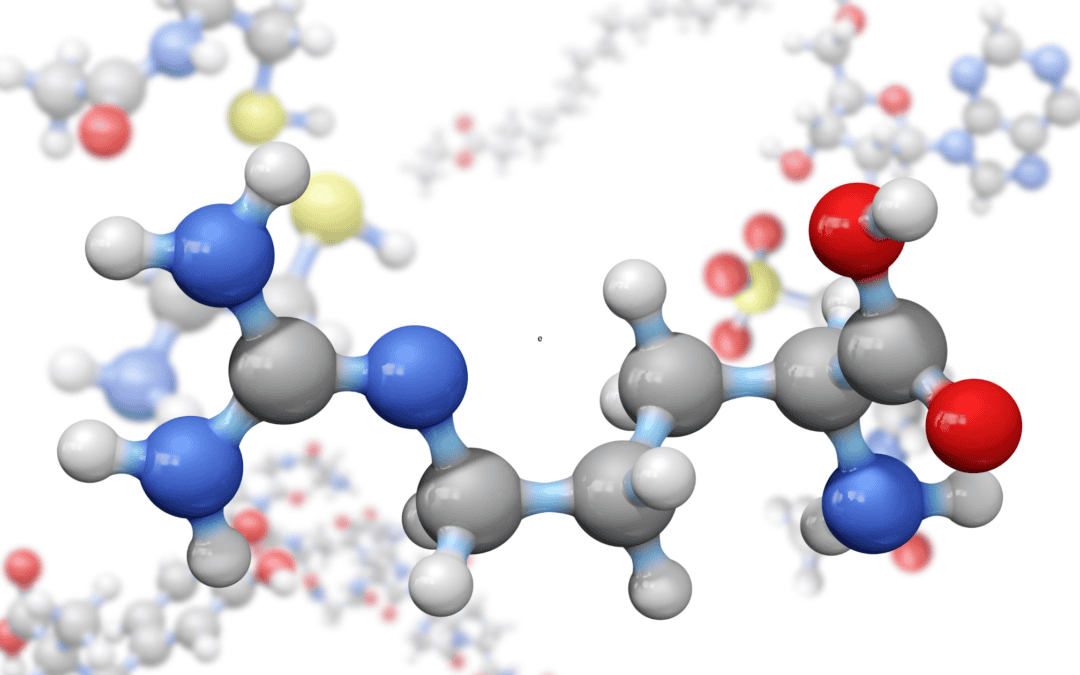
BPC-157 (Body Protection Compound-157) is a synthetic 15-amino-acid peptide derived from a naturally occurring protein fragment found in human gastric juice. It is made entirely in a lab using solid-phase peptide synthesis—a chemical process that builds peptides one amino acid at a time on a polymer resin.
Important: BPC-157 is not derived from natural tissue. It is 100% synthetic, and the finished material depends entirely on the quality of the manufacturing process.
2. FDA Regulatory Status
The FDA’s position is unambiguous:
- BPC-157 is not an approved drug for any medical condition.
- It cannot be legally compounded (it appears on FDA’s “not allowed for compounding” list under 503A/503B).
- It cannot be sold as a dietary supplement (not a legal dietary ingredient).
- Its use in humans outside an FDA-authorized clinical trial is illegal.
Despite this, some clinics administer BPC-157 obtained from “research peptide” suppliers, offshore pharmacies, or gray-market manufacturers. These practices violate the Federal Food, Drug, and Cosmetic Act, even if enforcement has been sporadic.
3. Evidence for Use in Arthritis or Orthopedic Conditions
Bottom line: there is no high-quality evidence that BPC-157 helps arthritis in humans.
A. What exists in the scientific literature?
1. Preclinical (animal) data
Rodent studies suggest BPC-157 may:
- Promote blood vessel growth
- Enhance tendon fibroblast activity
- Reduce inflammation
- Protect gastrointestinal tissues
However, these findings:
- Use doses far above any human equivalent
- Use controlled laboratory injuries
- Do not predict human efficacy
2. Human clinical evidence
There are only two categories of human data—and neither supports its use in arthritis.
(a) Gastrointestinal trials (Ulcerative Colitis)
A Croatian research group conducted:
- A phase I safety study in healthy men
- A phase II trial of a rectal BPC-157 formulation for mild–moderate ulcerative colitis
These are only available as abstracts and drug summaries, not as full peer-reviewed publications with methods, statistics, or adverse event profiles.
They do not involve musculoskeletal diseases.
(b) Single small case series in knee pain
A peer-reviewed article (Lee et al., Alternative Therapies in Health & Medicine, ~2021) describes:
- 12 patients with chronic knee pain
- Treated with intra-articular BPC-157, often combined with TB-500
- 7 of 12 reported symptom improvement lasting several months
This study has major limitations:
- No control group
- No blinding
- No standardized outcomes (no KOOS, WOMAC, or imaging)
- Very small sample size
- Mixed interventions
Conclusion: This study cannot demonstrate true benefit. At best, it is hypothesis-generating, and at worst, the findings may simply reflect placebo effects or biased reporting.
3. What do systematic reviews say?
Independent medical reviews and regulatory analyses uniformly state:
- No controlled trials exist for arthritis, tendon injuries, or musculoskeletal pain.
- No evidence-based dosing, delivery method, or safety profile is available.
- Human efficacy remains unproven.
In short: There is no credible clinical evidence that BPC-157 treats arthritis or orthopedic conditions in humans.
4. Manufacturing, Purity, and Safety Concerns
Why manufacturing matters
BPC-157 is made using a complex chemical process involving:
- Synthetic amino acids (Fmoc-protected amino acids)
- Polymer resins (Rink, Wang, or PAL resin)
- Aggressive solvents (DMF, DCM)
- Reactive coupling agents (HATU, HBTU, DIC, PyBOP)
- Strong acids (TFA)
- HPLC chemicals and stabilizers
In pharmaceutical-grade production, these chemicals are removed to trace levels through validated purification steps and quality control testing.
But “research-grade” peptide vendors selling to clinics do not follow pharmaceutical manufacturing standards.
This creates serious safety concerns:
A. Toxic solvent residues
DMF (dimethylformamide)
- Known liver toxin
- Associated with reproductive toxicity
- Must be removed to extremely low limits in GMP drugs
DCM (dichloromethane / methylene chloride)
- Probable human carcinogen
- Central nervous system depressant
- Dangerous even in small amounts if injected
TFA (trifluoroacetic acid)
- Corrosive
- Can remain in peptides as unmeasured TFA salt
- Pharmaceutical products often convert TFA salts to safer counterions
Without validated HPLC, mass spectrometry, and residual solvent testing, patients may be injected with harmful chemical contaminants.
B. Unknown purity and identity
Peptides from unregulated sources may contain:
- Incorrect amino acid sequence
- Truncated peptides
- Impurities from incomplete synthesis
- Other peptides entirely
- Particulate matter from resin or filters
Independent labs have repeatedly shown that many online peptides are mislabeled or impure.
C. Sterility and endotoxin concerns
Most “research peptides” are not sterile, and powder sterilization is nearly impossible without degrading the peptide. Reconstituting a non-sterile lyophilized powder with bacteriostatic saline does not sterilize it.
Risks include:
- Contamination with bacteria or fungi
- Endotoxin (bacterial cell wall fragments) that remain even after sterilization
- Severe inflammatory reactions or sepsis
D. No validated dosing, pharmacokinetics, or long-term safety
There is no human pharmacokinetic data for injectable BPC-157:
- How long it lasts in the body
- What tissues it reaches
- Whether it accumulates
- How it is metabolized or excreted
Long-term risks cannot be assessed without such information.
5. Practical Conclusions for Arthritis and Orthopedic Use
1. Evidence of benefit in humans does not exist.
- No randomized trials
- No controlled studies
- No validated imaging or outcome measures
- Only one very small, biased case series
2. Safety is unknown—and potentially problematic.
- Manufacturing is unregulated
- Solvent residues may remain
- Purity is unverified
- Sterility is not assured
3. Clinics offering BPC-157 are doing so outside the law.
This increases the risk that:
- Products may be contaminated or mislabeled
- Adverse events may not be monitored or reported
- Patients may be misled about efficacy
4. The scientific and regulatory communities do not support its medical use.
Anti-doping agencies, regulatory bodies, and independent medical reviews unanimously classify BPC-157 as:
- Unapproved
- Unproven
- Potentially unsafe
6. Final Takeaway
BPC-157 is a promising laboratory molecule, not a proven medical treatment.
For arthritis and musculoskeletal pain, the data can be summarized in one sentence:
There is no credible human evidence that BPC-157 works, and real risks exist due to poor-quality manufacturing and illegal distribution.
Until properly designed, peer-reviewed human clinical trials are completed—and an FDA-regulated production pathway exists—clinicians should remain cautious and avoid its clinical use in patients.
REFERENCES
https://www.usada.org/spirit-of-sport/bpc-157-peptide-prohibited/?utm_source=chatgpt.com
https://www.semanticscholar.org/paper/Safety,-tolerability-and-pharmacokinetics-of-PL-a-Veljača-Pavić-Sladoljev/7cc5b526006d9ecc959aa09ede50cfb12b751787?utm_source=chatgpt.com
https://link.springer.com/article/10.2165/00128413-200514930-00021
https://link.springer.com/article/10.2165/00128413-200514930-00021
https://pubmed.ncbi.nlm.nih.gov/21548867/ reports.
https://asipp.org/wp-content/uploads/Intra-Articular-Injection-of-BPC-157-for-Multiple-Types-of-Knee-Pain-2021-Alternative-Therapies-in-Health-and-Medicine.pdf?utm_source=chatgpt.com
https://pmc.ncbi.nlm.nih.gov/articles/PMC12313605/pdf/10.1177_15563316251355551.pdf
http://alternative-therapies.com/oa/index.html?fid=11513