
Chronic joint, tendon, and ligament pain can make everyday activities feel like a challenge. When conservative treatments like rest, physical therapy, and anti-inflammatory medications are not enough, injection therapies are often the next step. Two of the most common options are Platelet-Rich Plasma (PRP) therapy and cortisone (steroid) injections.
While both treatments are used to relieve pain and inflammation, they work in very different ways. Understanding the differences can help you make an informed decision about your care.
What Is PRP Therapy?
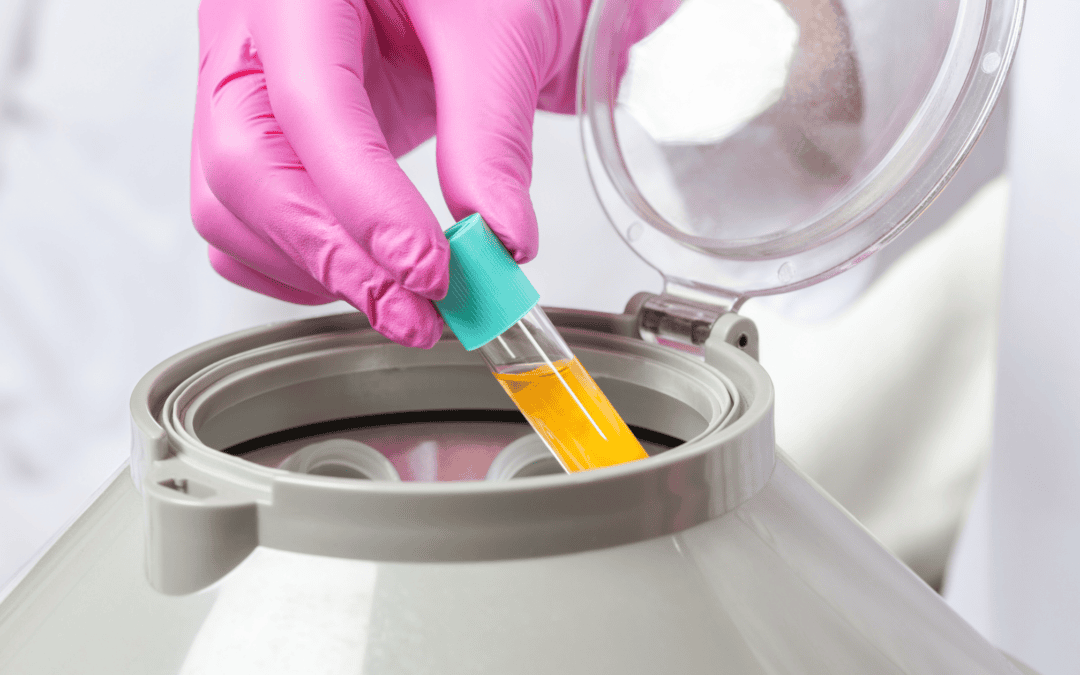
Platelet-Rich Plasma (PRP) therapy is a regenerative treatment that uses your body’s own healing properties. A small sample of your blood is drawn and placed in a centrifuge to separate and concentrate the platelets. These platelets contain growth factors that help support tissue repair.
The concentrated PRP is then injected into the injured or painful area, such as:
- Knee osteoarthritis
- Tendon injuries (like tennis elbow or Achilles tendonitis)
- Shoulder pain
- Hip pain
- Mild ligament injuries
PRP focuses on promoting healing at the source of the problem rather than simply masking symptoms.
What Are Cortisone Injections?
Cortisone injections contain a powerful anti-inflammatory medication (a corticosteroid). When injected into a joint or soft tissue, cortisone quickly reduces inflammation and swelling, often providing rapid pain relief.
Cortisone injections are commonly used for:
- Arthritis flare-ups
- Bursitis
- Tendinitis
- Acute joint inflammation
- Spinal joint irritation
They are especially helpful when inflammation is severe and immediate symptom relief is needed.
How They Work: Regeneration vs. Suppression
The biggest difference between PRP and cortisone lies in how they treat pain.
PRP:
- Stimulates tissue healing
- Encourages cellular repair
- May improve tissue quality over time
- Often used for chronic or degenerative conditions
Cortisone:
- Reduces inflammation quickly
- Suppresses the immune response
- Primarily addresses symptoms
- Often used for acute inflammation or flare-ups
PRP aims to repair. Cortisone aims to calm inflammation.
Speed of Relief
Cortisone injections often provide relief within a few days. This makes them appealing for patients who need fast improvement, such as before an event or during a severe flare-up.
PRP therapy typically takes longer to show results. Some patients notice improvement within a few weeks, but full benefits may take several weeks to months as the tissue heals.
Duration of Results
Cortisone relief may last weeks to several months, but repeated injections can potentially weaken tissues over time.
PRP results may take longer to appear but can last longer because the treatment supports healing rather than temporary suppression.
Safety and Side Effects
Both treatments are generally safe when performed by experienced providers.
Cortisone risks may include:
- Temporary pain flare after injection
- Tissue weakening with repeated use
- Elevated blood sugar (important for diabetic patients)
PRP risks may include:
- Temporary soreness at the injection site
- Mild swelling
- Minimal risk of allergic reaction since it uses your own blood
Because PRP uses your body’s natural components, it carries a low risk of adverse reactions.
Which Treatment Is Right for You?
The right choice depends on several factors:
- Severity of pain and inflammation
- Treatment goals (short-term relief vs. long-term healing)
- Other health issues
- Previous treatment history
In some cases, cortisone may be appropriate to quickly calm severe inflammation before beginning a longer-term strategy like PRP and rehabilitation.
Personalized Care at SDOMG
At SDOMG, treatment decisions are based on your specific diagnosis, activity level, and long-term goals. Whether you need fast relief from a painful flare-up or a regenerative approach to support tissue healing, we help guide you toward the option that best supports your recovery.
If you are experiencing persistent joint or tendon pain, schedule a consultation to discuss whether PRP therapy, cortisone injections, or another treatment approach is right for you.
Your recovery plan should be as individualized as you are.