
Platelet-rich plasma (PRP) injections have gained attention as a regenerative treatment option for patients seeking relief from joint, tendon, ligament, and soft tissue pain. Often used in orthopedics, sports medicine, and pain management, PRP offers a minimally invasive approach designed to support the body’s natural healing processes. If you’re considering PRP therapy, understanding how it works, what it treats, and what to expect can help you make an informed decision.
What Are PRP Injections?
PRP stands for platelet-rich plasma. Platelets are a natural component of blood best known for their role in clotting, but they also contain growth factors that support tissue repair.
During a PRP procedure:
- A small amount of the patient’s blood is drawn
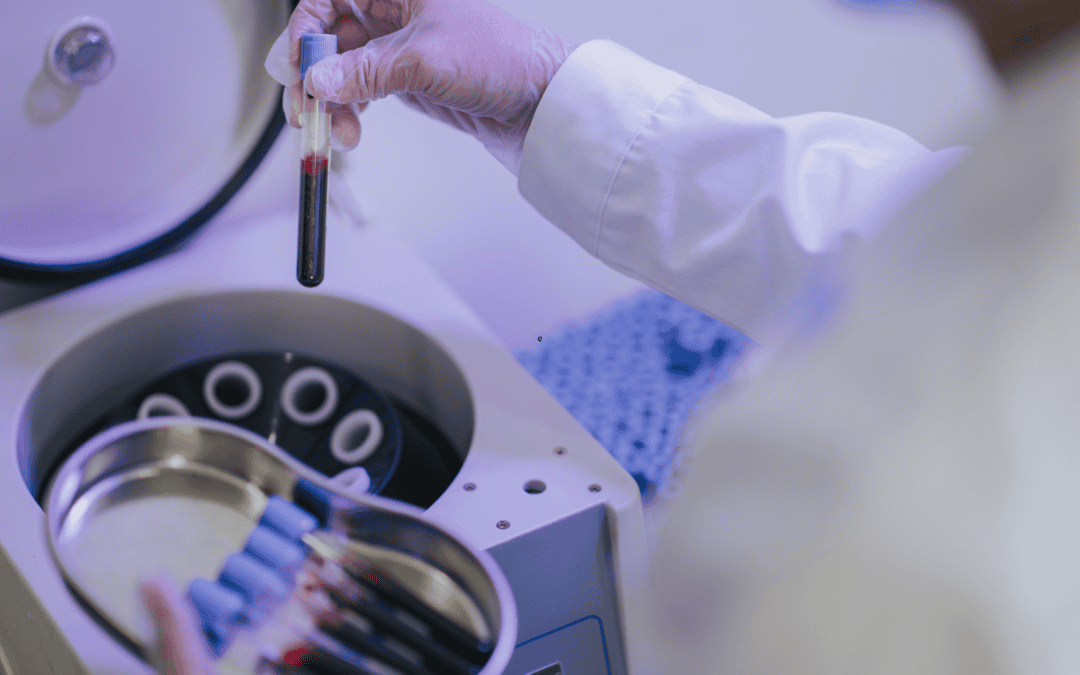
- The blood is spun in a centrifuge to concentrate the platelets
- The platelet-rich portion is injected into the targeted area
Because PRP is derived from the patient’s own blood, the risk of allergic reaction or rejection is extremely low.
How PRP Supports Healing
PRP works by delivering a high concentration of growth factors directly to injured or degenerative tissue. These growth factors may:
- Promote tissue repair
- Reduce inflammation
- Support collagen production
- Encourage cellular regeneration
Rather than simply masking pain, PRP aims to improve the underlying tissue environment to support longer-term healing.
Conditions Commonly Treated with PRP
PRP injections may be recommended for a variety of musculoskeletal conditions, including:
- Knee, hip, and shoulder osteoarthritis
- Tendon injuries (such as tennis elbow or Achilles tendinopathy)
- Ligament sprains
- Chronic joint pain
- Muscle injuries
- Certain spine-related soft tissue conditions
PRP is often considered when conservative treatments like physical therapy or medications have not provided sufficient relief.
What to Expect During and After Treatment
PRP injections are typically performed in an outpatient setting and usually take less than an hour.
After the procedure:
- Mild soreness or swelling at the injection site is common
- Patients are often advised to limit strenuous activity for several days
- Pain relief and functional improvement may develop gradually over weeks
Because PRP stimulates a biological healing response, results are not immediate. Some patients may require a series of injections depending on the condition being treated.
Is PRP Right for Everyone?
While PRP is generally safe, it may not be appropriate for all patients. Factors such as:
- Severity of tissue damage
- Overall health
- Blood disorders or active infections
- Treatment goals
should be discussed with a qualified medical provider. PRP is not a replacement for surgery in severe structural damage, but it may help delay or reduce the need for more invasive procedures.
It’s also important to note that PRP is considered a biologic therapy, and coverage varies because it is not universally approved by U.S. Food and Drug Administration for all indications.
PRP vs. Steroid Injections
Unlike corticosteroid injections, which primarily reduce inflammation and pain temporarily, PRP aims to support tissue repair. Steroids may provide faster relief but can weaken tissues with repeated use. PRP may take longer to show results but is often chosen for its regenerative potential.
Final Thoughts
PRP injections represent an evolving approach in regenerative and pain medicine, offering patients a minimally invasive option that works with the body’s natural healing abilities. While results vary, many patients find PRP to be a valuable part of a comprehensive, non-surgical treatment plan.
If you’re experiencing ongoing joint or soft tissue pain, a consultation with a pain management or regenerative medicine specialist can help determine whether PRP is an appropriate option for you.