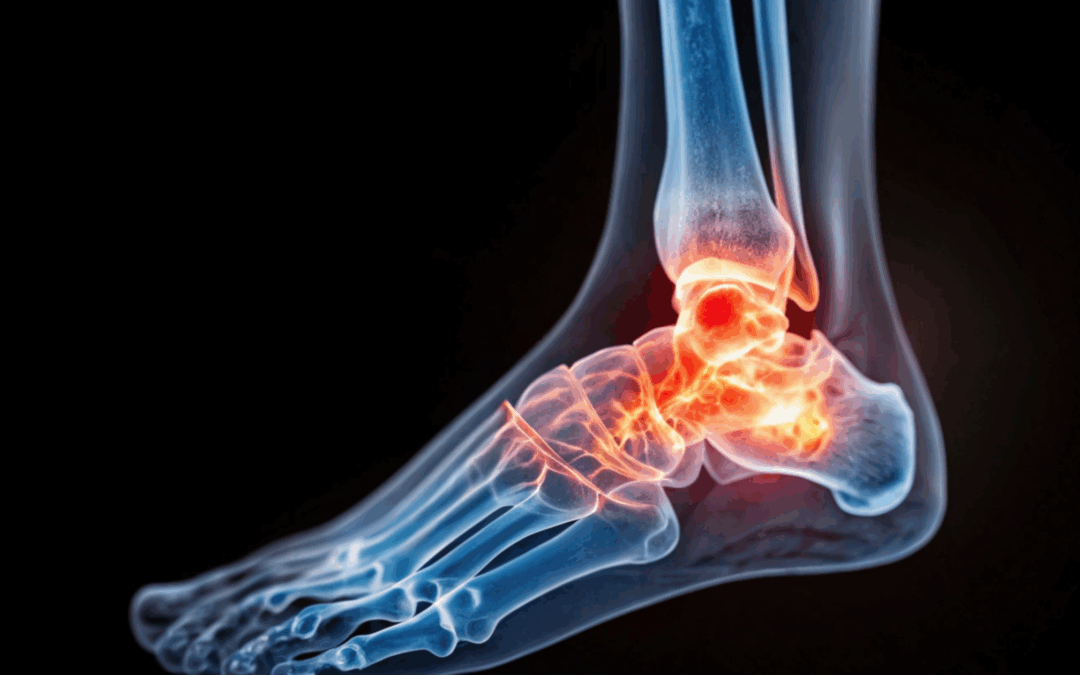
Joint pain often starts subtly — a little stiffness in the knees, soreness in the shoulders, or discomfort after activity. These are often signs of early joint degeneration, when cartilage and surrounding tissues begin to wear down. Fortunately, regenerative medicine offers new hope for restoring joint health before these early issues turn into chronic pain or arthritis.
Understanding Early Joint Problems
Our joints are built to move smoothly, cushioned by cartilage, lubricated by joint fluid, and supported by strong ligaments and tendons. Over time, however, wear and tear, injury, or inflammation can damage these structures.
Early joint problems may include:
Mild stiffness or aching after activity
Pain when bending or climbing stairs
Swelling or tenderness around the joint
Decreased flexibility or “creaking” sensations
At this early stage, the joint still has the potential to heal — especially with regenerative treatments that help the body repair and rebuild healthy tissue.
How Regenerative Medicine Works
Regenerative medicine focuses on stimulating the body’s natural healing processes. Rather than just masking symptoms with medication or injections, regenerative therapies aim to restore tissue health, reduce inflammation, and improve joint function.
These treatments use the body’s own biological materials — like platelets or stem cells — to encourage tissue repair and regeneration where it’s needed most.
Common Regenerative Treatments for Early Joint Damage
1. Platelet-Rich Plasma (PRP) Therapy
PRP therapy involves concentrating platelets from your own blood and injecting them into the affected joint. These platelets contain powerful growth factors that:
Stimulate tissue repair
Reduce inflammation
Promote collagen and cartilage regeneration
PRP can be used for early joint problems in the knees, shoulders, hips, or other joints — helping restore comfort and mobility naturally.
2. Stem Cell Therapy
Stem cell therapy introduces healing cells — usually derived from bone marrow or adipose (fat) tissue — into the damaged joint. These cells can help rebuild cartilage, improve cushioning, and restore balance within the joint environment.
Early research suggests stem cell therapy may slow or even reverse early degenerative joint changes, helping patients avoid or delay more invasive procedures like joint replacement.
3. Prolotherapy
Prolotherapy uses a natural dextrose-based solution injected around weakened ligaments and tendons to trigger the body’s repair response. This mild inflammation promotes the growth of stronger connective tissue, improving joint stability and function.
Over time, this can reduce pain caused by instability or early joint wear.
Benefits of Early Regenerative Intervention
Addressing joint problems early can prevent more serious degeneration and preserve mobility. The benefits of regenerative therapies include:
Minimally invasive procedures with little to no downtime
Reduced need for pain medications or steroids
Improved joint strength and flexibility
Potential long-term relief by promoting true healing rather than masking symptoms
Is Regenerative Treatment Right for You?
Regenerative therapies may be ideal if you’re experiencing mild to moderate joint pain, early arthritis, or mobility issues that haven’t improved with rest, physical therapy, or standard treatments.
A pain management or orthopedic specialist can evaluate your condition through imaging and examination to determine whether PRP, stem cell therapy, or prolotherapy is the right approach for your needs.
A Future-Focused Approach to Joint Care
Regenerative treatments are changing how we approach joint pain — emphasizing healing, repair, and long-term joint preservation. For those with early joint problems, these therapies offer a proactive, restorative way to protect joint health and maintain an active lifestyle.
If you’ve noticed stiffness or joint discomfort, now is the time to explore regenerative options. Early action can make all the difference in keeping your joints healthy and pain-free for years to come.
Joint pain can creep in slowly or hit suddenly—but either way, it can impact your mobility, mood, and overall quality of life. Whether you’re dealing with age-related wear and tear, chronic inflammation, or recovering from an injury, adopting everyday habits that support joint health can make a world of difference. The good news? You don’t always need a prescription to find relief. A few simple lifestyle adjustments can go a long way in keeping your joints strong, flexible, and pain-free.
Here are natural, evidence-backed habits you can incorporate into your daily life to support your joints and reduce discomfort.
1. Keep Moving—But Move Smart
Movement is medicine for your joints. Staying active helps lubricate the joints, strengthen surrounding muscles, and maintain a healthy range of motion.
Low-impact exercises like walking, swimming, biking, and yoga are excellent choices.
Strength training helps stabilize joints and reduce stress on them.
Stretching regularly keeps muscles flexible and reduces stiffness.
Tip: Avoid long periods of inactivity. If you sit at a desk, stand up and stretch every hour.
2. Maintain a Healthy Weight
Carrying excess weight puts unnecessary pressure on weight-bearing joints—especially the knees, hips, and lower back. In fact, for every extra pound you carry, your knees experience about four extra pounds of pressure.
Shedding even 5–10% of your body weight can significantly reduce joint strain and pain.
Focus on slow, sustainable weight loss through diet and exercise.
Bonus: Weight loss also lowers systemic inflammation, which can ease joint pain.
3. Prioritize Anti-Inflammatory Nutrition
What you eat has a direct impact on your inflammation levels and joint health. Incorporating anti-inflammatory foods can help reduce pain naturally.
Foods to eat: Fatty fish (like salmon), leafy greens, berries, olive oil, turmeric, ginger, nuts, and seeds.
Foods to limit: Sugar, red meat, processed snacks, and fried foods.
Tip: A Mediterranean-style diet is particularly joint-friendly.
4. Stay Hydrated
Cartilage—the flexible tissue that cushions your joints—is made mostly of water. Staying hydrated keeps this tissue lubricated and reduces friction during movement.
Aim for at least 8–10 glasses of water per day, more if you’re active or in a hot climate.
Herbal teas and water-rich fruits like watermelon and cucumber also count toward hydration.
Dehydration can cause joint stiffness and increased sensitivity to pain.
5. Support Your Joints with Supplements
Certain natural supplements have been shown to support joint health and reduce inflammation.
Glucosamine and chondroitin: May help rebuild cartilage and reduce pain.
Turmeric/curcumin: A powerful anti-inflammatory.
Omega-3 fatty acids: Found in fish oil, these reduce inflammation system-wide.
Collagen peptides: Support cartilage and connective tissue integrity.
Always consult your healthcare provider before starting a new supplement.
6. Use Proper Posture and Ergonomics
Slouching or using improper body mechanics can stress your joints over time. Make small adjustments to support joint alignment throughout the day.
Sit with your back straight, feet flat on the ground, and shoulders relaxed.
Use supportive chairs or standing desks as needed.
When lifting objects, use your legs—not your back—and keep items close to your body.
Ergonomic tweaks at your workstation can prevent repetitive stress injuries.
7. Get Plenty of Restful Sleep
Quality sleep is essential for healing and reducing inflammation. During deep sleep, your body produces hormones that repair tissue and regulate immune response.
Aim for 7–9 hours of sleep per night.
Create a calming bedtime routine: turn off screens, dim the lights, and avoid caffeine late in the day.
Consider supportive pillows or a mattress that helps align your spine and joints.
Poor sleep is linked to increased perception of pain and joint stiffness.
8. Manage Stress Effectively
Chronic stress triggers the release of cortisol, a hormone that can promote inflammation in the body. Reducing stress can ease both physical and emotional tension that often worsens joint pain.
Try meditation, deep breathing exercises, journaling, or spending time in nature.
Make time for hobbies, connection with others, and digital detoxes.
Mind-body practices like tai chi and yoga offer both physical and mental relief.
9. Avoid Smoking and Excess Alcohol
Smoking reduces blood flow to joints and damages connective tissue. Meanwhile, excessive alcohol can deplete your body of nutrients and contribute to inflammation.
If you smoke, seek out resources to quit—it can significantly improve joint and overall health.
Drink alcohol in moderation, if at all.
Small lifestyle changes add up over time—quitting smoking is one of the most impactful things you can do for joint health.
10. Listen to Your Body
One of the most underrated habits is simply tuning in to your body’s signals. If an activity causes joint pain or stiffness, it may be a sign you need rest or a modification.
Alternate between activity and rest.
Don’t push through sharp or persistent joint pain.
See a healthcare provider if symptoms don’t improve or worsen.
Early intervention can prevent long-term joint damage.
Final Thoughts
You don’t need to overhaul your life to take better care of your joints. By adopting small, consistent habits—like staying active, eating anti-inflammatory foods, and managing stress—you can support your body’s natural ability to maintain strong, pain-free joints.
These habits are powerful on their own but even better when practiced together. Start with one or two changes today and build on your progress each week. Your joints will thank you for years to come.
Exercise is important for all of us. Whether you are in perfect shape or have joint pain, it is important to tailor your workout routine to your body’s unique needs. Exercise is meant to nurture your body, not hurt your body. That said, if you have painful joints, don’t let this stop you from giving your body the workout it needs. In fact, regular exercise can help ease your pain. Research shows that regular exercise helps reduce inflammation and even increase pain tolerance. Here are some helpful workout tips for painful joints.
Always Warm Up
Jumping on a machine immediately after entering the gym can be detrimental to your joints. You must first warm up your body to loosen your muscles and tendons. Working out when they are tight can lead to joint pain. Your warm-up can be as simple as light movement for 5 minutes to get your blood flowing. Or perhaps try an easy walk.
Low-Impact Cardio
The more you move, the less stiff your joints will be. If you are looking to get your heart rate elevated but want a low-impact exercise option, try swimming, bicycling, rowing, exercising on elliptical or even walking. These are the best options for protecting your joints.
In addition to these low-impact exercises, you might want to try practices like yoga and Pilates. These both help strengthen your trunk muscles, which ultimately help maintain balance and decrease the likelihood of a lower back injury.
Strengthen Your Muscles with Weights
Stronger muscles help to lessen strain on your joints. Add some weight training to your exercise routine. Weight machines, free weights and resistance bands are all helpful in getting stronger and building muscle mass. You should take things slowly at the start. Always listen to your body. Try to incorporate weight training 2-3 times per week and alternate between upper body and lower body workouts.
Change Things Up
Overuse injuries are another culprit of joint pain. To avoid this, try not to do the exact same routine every day. Mix up your workouts. Perhaps you could try swimming one day and biking the next.
Stretch
It is important to keep your muscles and tendons flexible. After your workout, make sure to stretch all of the muscles you used that day. You’ll want to try and hold each stretch for up to 30 seconds.
Do you suffer from joint pain? San Diego Orthobiologics Medical Group offers the path to physical freedom with customized care and nonsurgical solutions. Give us a call at 760-909-2355 to schedule an appointment.
To provide the best experiences, we use technologies like cookies to store and/or access device information. Consenting to these technologies will allow us to process data such as browsing behavior or unique IDs on this site. Not consenting or withdrawing consent, may adversely affect certain features and functions.
Functional
Always active
The technical storage or access is strictly necessary for the legitimate purpose of enabling the use of a specific service explicitly requested by the subscriber or user, or for the sole purpose of carrying out the transmission of a communication over an electronic communications network.
Preferences
The technical storage or access is necessary for the legitimate purpose of storing preferences that are not requested by the subscriber or user.
Statistics
The technical storage or access that is used exclusively for statistical purposes.The technical storage or access that is used exclusively for anonymous statistical purposes. Without a subpoena, voluntary compliance on the part of your Internet Service Provider, or additional records from a third party, information stored or retrieved for this purpose alone cannot usually be used to identify you.
Marketing
The technical storage or access is required to create user profiles to send advertising, or to track the user on a website or across several websites for similar marketing purposes.