Mar 21, 2025
Joint pain and degeneration can have a significant impact on your daily life. From stiff knees and aching hips to painful shoulders, these problems often limit mobility and diminish your quality of life. While traditional treatments like surgery and joint replacement may seem like the only solution, advances in regenerative medicine are opening new doors for non-surgical care. One such innovation is Bone Marrow Concentrate (BMC) therapy, a promising approach for joint repair that harnesses your body’s own healing potential.
In this article, we’ll break down what BMC therapy is, how it works, and why it may be an option for patients seeking alternatives to surgery.
What Is Bone Marrow Concentrate (BMC)?
Bone marrow concentrate is a regenerative treatment that uses cells harvested from your own bone marrow to support tissue repair and reduce inflammation in damaged joints.
Your bone marrow contains a rich mix of cells, including mesenchymal stem cells (MSCs), platelets, and growth factors. These components play a crucial role in your body’s natural ability to heal injuries and regenerate tissues. When concentrated and carefully injected into an injured joint, they may help stimulate repair in cartilage, ligaments, and tendons.
Unlike joint replacement surgery, BMC is minimally invasive and performed as an outpatient procedure. It’s commonly used for patients with:
- Osteoarthritis (mild to moderate cases)
- Cartilage damage
- Tendon or ligament injuries (like rotator cuff tears or ACL strains)
- Chronic joint pain in the knee, hip, shoulder, ankle, and spine
How Does BMC Therapy Work?
BMC therapy works in three key stages:
- Harvesting Bone Marrow
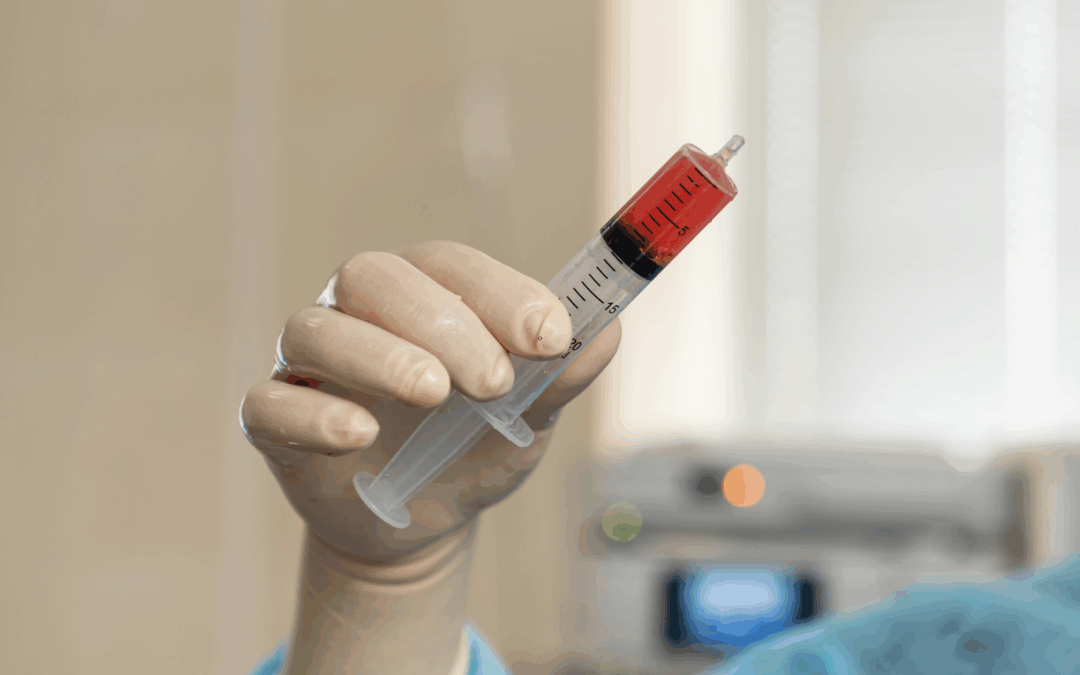
- The procedure begins with drawing a small amount of bone marrow, usually from the back of your pelvis (the iliac crest). This is done under local anesthesia to keep you comfortable.
- The harvested marrow contains a mix of stem cells, platelets, and healing factors.
- Processing and Concentration
- The collected marrow is processed using a specialized centrifuge that separates and concentrates the healing components. This creates a potent solution rich in mesenchymal stem cells and growth factors.
- Injection into the Damaged Joint
- The concentrated solution is then precisely injected into the affected joint using imaging guidance (like ultrasound or fluoroscopy) to ensure accuracy.
- Once injected, these cells work to reduce inflammation, promote tissue repair, and support the regeneration of damaged structures.
The entire process typically takes a few hours, and most patients return home the same day.
Benefits of BMC for Joint Repair
Many patients are drawn to bone marrow concentrate therapy because it offers a range of potential advantages over traditional surgical options:
✅ Non-Surgical – No large incisions, general anesthesia, or prolonged hospital stays.
✅ Uses Your Body’s Own Healing Cells – Minimizes the risk of rejection or allergic reaction.
✅ Minimally Invasive – Lower risk of complications compared to surgery.
✅ Faster Recovery – Most patients resume normal activities within days or weeks rather than months.
✅ Potential for Cartilage Repair – Early research suggests that BMC may support the regeneration of cartilage in some cases.
✅ Delays or Avoids Surgery – For some patients, BMC can reduce symptoms enough to delay or even avoid joint replacement surgery altogether.
Is Bone Marrow Concentrate Effective?
While BMC therapy is still considered an emerging treatment, growing research and clinical experience suggest it holds promise for patients with joint pain and early degenerative changes.
- A 2021 review published in Stem Cells International found that BMC injections improved pain and function in patients with knee osteoarthritis.
- Another study in The American Journal of Sports Medicine showed significant improvements in patients with cartilage defects after BMC therapy.
It’s important to note that outcomes vary from patient to patient. The therapy works best in patients with mild to moderate joint damage and may be less effective in advanced osteoarthritis or “bone-on-bone” joints.
Who Is a Good Candidate for BMC Therapy?
BMC therapy is not for everyone, but it may be a good option if you:
✔️ Have joint pain from arthritis, cartilage damage, or soft tissue injury
✔️ Want to avoid or delay joint replacement surgery
✔️ Are not getting relief from conservative treatments like physical therapy, medications, or cortisone injections
✔️ Are in overall good health and can tolerate a minor procedure
Patients with severe joint damage or advanced arthritis may not respond as well to BMC and may require other interventions. A thorough evaluation by a qualified physician is essential to determine if you’re a candidate.
What to Expect After BMC Therapy
After the procedure, you may experience some soreness or swelling in the treated area for a few days. This is a normal part of the healing response.
- Most patients can walk and return to light activities the next day.
- Strenuous exercise and high-impact activities are typically restricted for 4–6 weeks.
- Improvements in pain and function may take several weeks to develop as the regenerative process unfolds.
Your provider will give you a customized post-procedure plan to optimize healing.
How Does BMC Compare to Other Regenerative Therapies?
BMC therapy is often compared to Platelet-Rich Plasma (PRP) injections, another regenerative treatment.
| Feature |
BMC |
PRP |
| Source |
Bone marrow cells and growth factors |
Platelets from your blood |
| Contains Stem Cells? |
✅ Yes (mesenchymal stem cells) |
❌ No |
| Used For |
Moderate joint damage, cartilage repair |
Mild joint pain, soft tissue injuries |
For patients with more advanced joint damage, BMC may offer additional regenerative potential due to its stem cell content.
Is BMC Therapy Right for You?
If you’re struggling with joint pain and searching for a way to stay active without surgery, Bone Marrow Concentrate therapy may be worth exploring. By working with a regenerative medicine specialist, you can find out if BMC aligns with your goals and health needs.
While it’s not a magic bullet or guaranteed cure, it represents an exciting advancement in orthopedics and pain management – one that gives your body a chance to heal itself naturally.
Final Thoughts
Bone marrow concentrate therapy is a cutting-edge, minimally invasive treatment that’s helping many people find relief from joint pain and improve their quality of life. For patients seeking alternatives to joint replacement surgery, it could be the next step toward moving freely again.
Talk to your provider about whether BMC therapy is an appropriate option for you, and take the first step in exploring this innovative, non-surgical approach to joint repair.

Jun 25, 2021
The bones of the spine called vertebrae are separated by shock-absorbing discs that act as a cushion. These discs have a strong cartilaginous outer portion and a gel-like inner core. When these discs begin to break down from either age or injury, they can result in disc bulging or what is also known as disc herniation. The discs can also tear, decrease in height or dry out. These changes in the discs can cause pain and pressure on nearby nerves ( radiculopathy). They can also cause degeneration of nearby facet joints and narrowing of the canal (spinal stenosis).
Degenerative disc disease often occurs as part of the aging process. By age 40, it is estimated that 40 percent of the population will have some degree of degenerative disc disease and by age 80, that percentage doubles.[1]
Symptoms from degenerative disc include neck pain, back pain, muscle spasms or radiating pain to the arms or legs. Pain is typically worse with bending forward or prolonged sitting.
The current standard treatment for degenerative or herniated discs includes physical therapy, medications, injection therapy, and surgery. These aim to provide symptomatic relief of the pain but most do not improve the pathology or reverse the degenerative process.
Treatment with Bone marrow-derived cells has introduced a unique approach to alleviate pain and improve function by restoring and repairing tissue injury.
What is Bone Marrow Aspirate Concentrate (BMAC)?
The body’s bone marrow possesses unique properties that help the body heal itself naturally. It contains important therapeutic cells, growth factors and proteins that stimulate the body’s natural ability to improve circulation, decrease inflammation and heal injured tissues.
It also contains adult stem cells called Mesenchymal stem cells. These stem cells have the special ability to renew themselves and differentiate into bone, tendon, cartilage and muscle cells. These make them an ideal therapy for treating orthopedic injuries such as tendon tears, worn cartilage, and degenerated disc disease.
Bone marrow-derived cells have been shown to stimulate disc cell proliferation, increase disc support tissue, increase disc hydration, decrease inflammation, and support tissue healing.
How Effective is BMAC?
A study published by International Orthopedics reported the results of 26 patients suffering from degenerative disc disease and were candidates for major surgery such as spinal fusion or total disc replacement who underwent BMAC therapy to their discs. Three years later, 73% of these patients showed improvement in pain, 70% showed improvement in function, and 75% avoided surgery.[2]
A systematic review of seven clinical trials with a total of 97 patients and up to 72 months follow-up concluded that treatment with Bone Marrow-derived cells intradiscally showed significant improvement in pain and function with low re-injection or complication rates.
BMAC therapy is a minimally invasive, non-surgical procedure that does not require hospitalization or lengthy rehabilitation. Patients are generally able to begin physical therapy and gradual resumption of their daily activities within a week.
For patients who suffer from chronic low back pain from degenerative disc disease and failed standard conservative therapy, BMAC therapy performed by an experienced regenerative medicine specialist can provide an innovative, non-surgical treatment solution. Schedule a consultation with our renowned regenerative medicine physicians to see if you are a candidate for these therapies before considering spinal surgery.
Drs. Christopher J. Rogers and Mary A. Ambach of San Diego Orthobiologics Medical Group together have successfully treated hundreds of patients with BMAC and other cell-based treatments for more than three decades. They have published authors and stem cell researchers. Their FDA-compliant facility in Carlsbad contains the most advanced Regenerative Medicine technology in San Diego and offers same-day treatments with the highest level of safety and efficacy.
[1] https://pubmed.ncbi.nlm.nih.gov/23074480/[1]
[2] https://pubmed.ncbi.nlm.nih.gov/28748380/
[3] https://www.cureus.com/articles/36347-systematic-review-is-intradiscal-injection-of-bone-marrow-concentrate-for-lumbar-disc-degeneration-effective
Jul 13, 2020
It has been more than fifty years since the first bone marrow transplant was performed to treat an infant with immune deficiency (1). In the years following that milestone, researchers and physicians have discovered new ways to use the bone marrow and its powerful stem cells to treat a number of different medical illnesses, including orthopedic conditions. Dr. Arnold Caplan discovered the mesenchymal stem cell in the early 1990’s (2). These cells are a specific type of adult stem cell found in the bone marrow that have the ability to renew themselves and differentiate into bone, tendon, cartilage and muscle cells.
Patients who suffer with joint arthritis, tendinopathy or ligament sprains benefit from bone marrow cell therapy, which stimulates the body’s natural ability to improve circulation, decrease inflammation and heal injured tissues.
What is Bone Marrow Aspirate Concentrate (BMAC)?
Although the name sounds complicated, bone marrow aspirate concentrate (BMAC) simply describes the source, method and process for removing cells from a patient’s own body, preparing them and reintroducing them into an injured area.
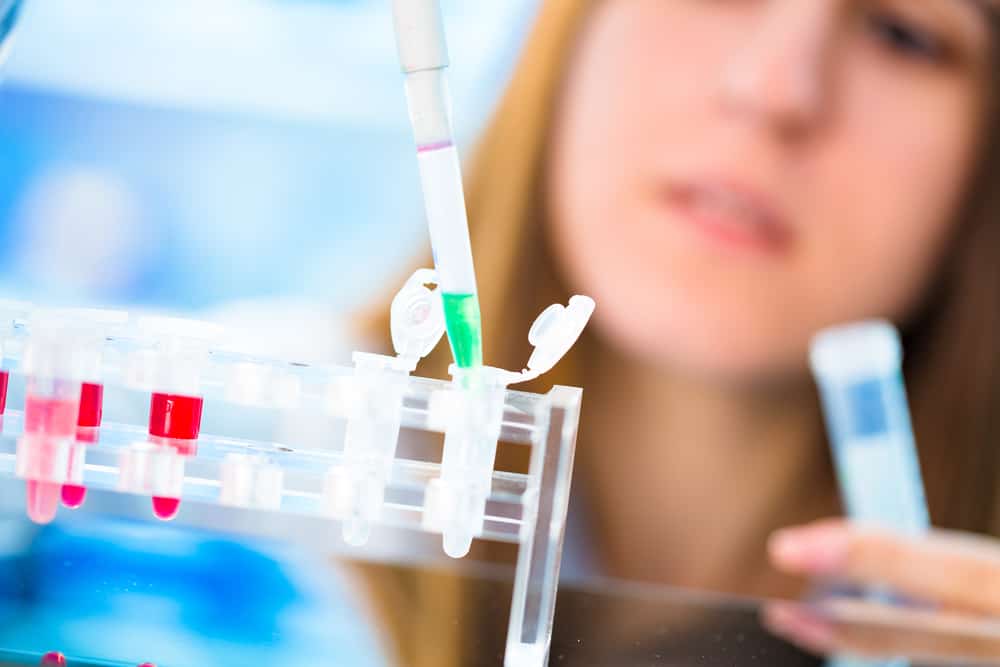
Bone marrow is a source of therapeutic cells. It contains powerful mesenchymal stem cells that can be collected for treatment. It also contains other Orthobiologics such as platelets, growth factors and proteins that contribute to the therapeutic effects. Aspirate refers to the way the therapeutic cells are collected into a syringe. About four tablespoons of bone marrow is removed (aspirated) from the back of the hip area. Concentrate is the term that describes how the bone marrow is processed. The aspirated bone marrow is transferred into a centrifuge that spins the sample, separating it into different layers and concentrating the therapeutic cells.
Is BMAC Effective?
BMAC has the ability to address the symptoms and root cause of spine and joint pain by decreasing inflammation and promoting the healing of the injured tissues. Current research and clinical experience have shown promising results in decreasing pain and stiffness, improving function and enhancing cartilage and bone healing in patients with osteoarthritis, tendon injuries and other orthopedic conditions. The benefits of these treatments typically last 2 to 5 years or longer.
This is a minimally invasive, non-surgical procedure that does not require hospitalization or lengthy rehabilitation. In fact, patients are back home within a few hours of the procedure and resume normal activities within a week. Most patients require only a single treatment, but it can easily be repeated if necessary.
To learn more about this exciting new treatment for orthopedic conditions, please visit us at: https://sdomg.com/bone-marrow-aspiration-concentrate-bmac-1/
Drs. Christopher J. Rogers and Mary A. Ambach of San Diego Orthobiologics Medical Group are board
certified in Physical Medicine & Rehabilitation and are recognized experts in orthobiologics therapies,
using cells and cell products to treat orthopedic conditions. They are stem cell researchers and
recognized leaders in the field of Regenerative Medicine. They have published extensively in the
scientific literature and have trained hundreds of physicians at medical conferences around the world.
Resources
1. M Health – Historical Milestones in Blood and Marrow Transplantation
2. Hindawi – Adult Mesenchymal Stem Cells: When, Where, and How
