Apr 14, 2025
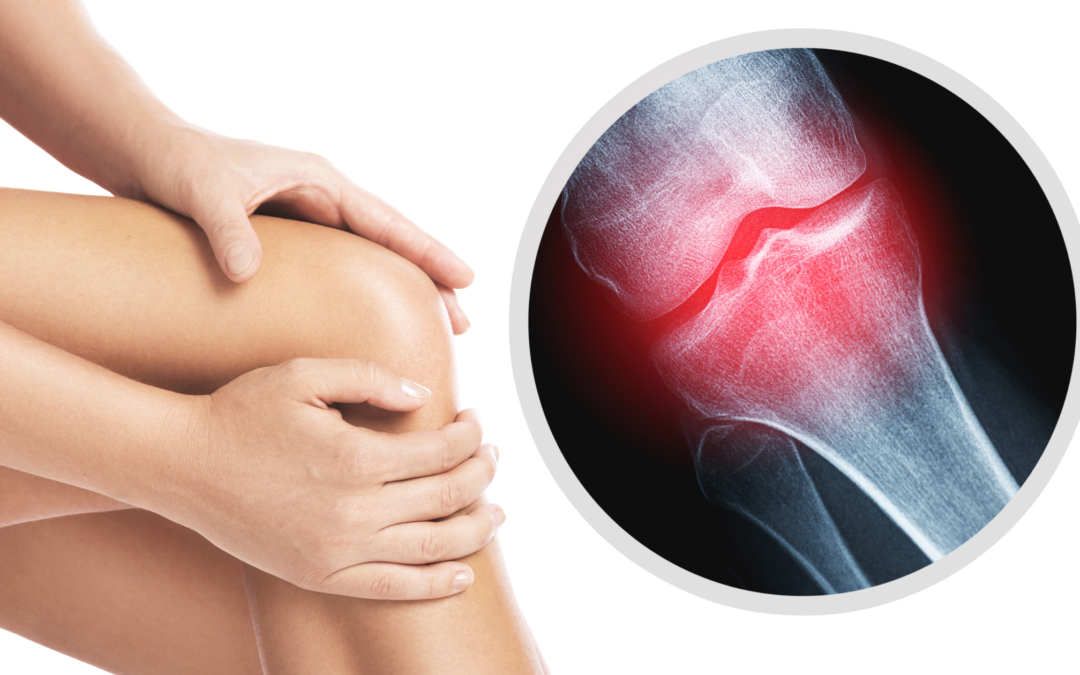
Joint pain can be a daily struggle, affecting everything from simple walks to sleep and overall quality of life. For many, traditional treatments like physical therapy, medications, or even surgery provide only limited relief—or come with side effects and long recovery times. That’s where regenerative medicine steps in, offering innovative options like Platelet-Rich Plasma (PRP) and Cell Therapy. These treatments harness the body’s own healing powers to target the root of joint pain, not just mask the symptoms.
If you’re curious about how PRP and Cell Therapy work, and whether they might be right for you or someone you love, read on. We’ll break down the science in simple terms and explore how these therapies are changing the way we treat joint issues.
What Causes Joint Pain?
Joint pain can stem from many sources: injury, overuse, inflammation, arthritis (especially osteoarthritis), or even simple aging. The cartilage that cushions joints can wear down, tendons and ligaments can become inflamed or torn, and the surrounding tissues may degenerate over time.
Traditionally, options like corticosteroid injections or anti-inflammatory drugs have been used to reduce pain. However, these don’t actually repair damage—they just offer temporary relief. That’s where regenerative therapies like PRP and cell therapy stand apart: they aim to stimulate healing, not just dull the pain.
What Is PRP Therapy?
Platelet-Rich Plasma (PRP) therapy is a treatment that uses a concentration of your own platelets to accelerate healing in damaged joints and tissues.
How It Works:
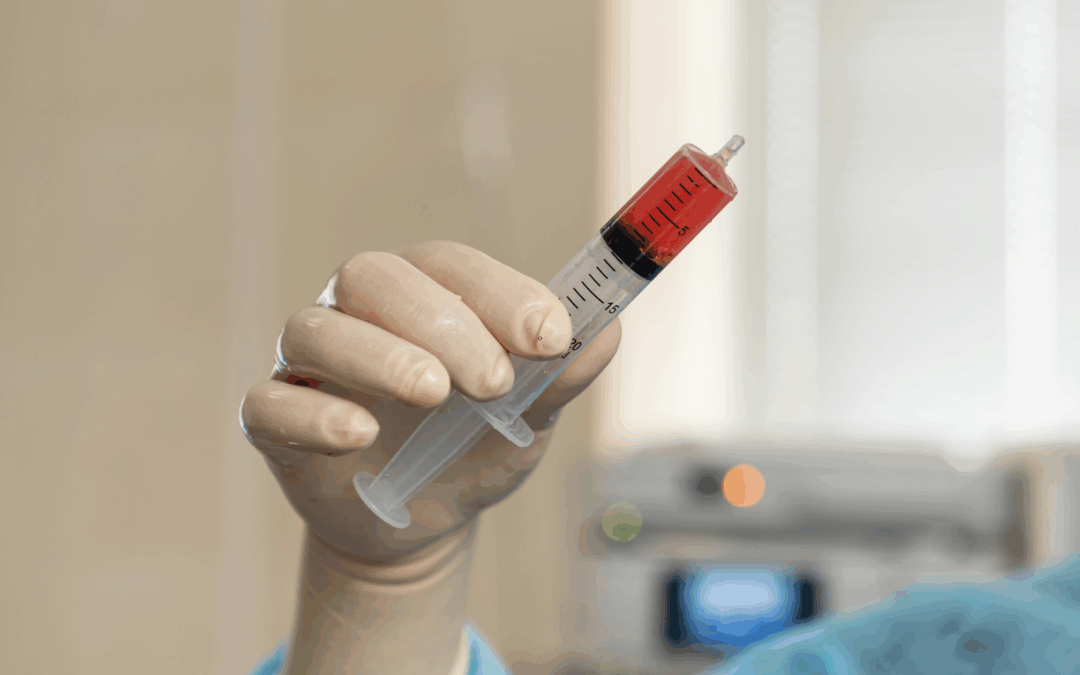
- Blood Draw: A small amount of your blood is drawn—similar to a standard lab test.
- Separation: The blood is spun in a centrifuge to separate the platelets from other components like red and white blood cells.
- Injection: The resulting platelet-rich plasma is injected directly into the affected joint.
Platelets are best known for clotting blood, but they also contain growth factors—powerful proteins that promote tissue repair, reduce inflammation, and stimulate cell regeneration. By injecting a high concentration of these growth factors directly into the joint, PRP therapy encourages the body to repair itself.
What It’s Used For:
- Osteoarthritis (knee, hip, shoulder)
- Tendonitis
- Ligament injuries
- Cartilage damage
- Sports injuries
What Is Cell Therapy?
Cell therapy—often referred to as stem cell therapy—uses the body’s own cells to rebuild and repair damaged tissues. These aren’t embryonic stem cells but rather adult stem cells, typically derived from bone marrow or adipose (fat) tissue.
How It Works:
- Harvesting Cells: Cells are collected from your own body, usually from the bone marrow in your pelvis or fat tissue in the abdomen or thighs.
- Processing: The cells are processed and sometimes combined with PRP to enhance their effectiveness.
- Injection: The mixture is injected into the painful joint under ultrasound or fluoroscopic guidance.
These cells have the ability to differentiate—meaning they can transform into other types of cells, such as cartilage, bone, or tendon cells. They also release molecules that reduce inflammation and promote healing at the cellular level.
What It’s Used For:
- Moderate to severe osteoarthritis
- Cartilage degeneration
- Chronic joint inflammation
- Joint injuries that haven’t healed with traditional treatments
PRP vs. Cell Therapy: What’s the Difference?
| Feature |
PRP Therapy |
Cell Therapy |
| Source |
Platelets from your blood |
Stem cells from bone marrow or fat |
| Mechanism |
Stimulates healing with growth factors |
Repairs tissue by regenerating new cells |
| Best For |
Mild to moderate joint damage |
Moderate to severe degeneration |
| Invasiveness |
Minimally invasive |
Slightly more invasive (requires tissue harvesting) |
| Cost |
Lower |
Higher |
Think of PRP as a “booster” that speeds up healing, while cell therapy is a “builder” that can regenerate more extensive damage.
What to Expect from Treatment
Procedure:
Both PRP and cell therapy are usually done in an outpatient setting. The procedures typically take 1-2 hours. Since your own cells are used, the risk of allergic reactions is minimal.
Recovery:
- PRP: Mild soreness for a day or two; most people resume normal activity within 24-48 hours.
- Cell Therapy: Slightly longer recovery time due to the harvesting process; some patients may need a few days of rest.
Results:
- Most patients report a gradual reduction in pain over weeks to months.
- Improvements can last anywhere from 6 months to 2 years or more.
- Outcomes vary depending on the severity of the condition, overall health, and adherence to post-treatment guidelines like physical therapy and lifestyle changes.
The Science Behind It
PRP and cell therapy are backed by a growing body of research. For example:
- A 2020 study published in American Journal of Sports Medicine found that PRP injections significantly improved symptoms in patients with knee osteoarthritis over a 12-month period.
- A 2021 meta-analysis concluded that stem cell therapy showed consistent results in improving joint function and reducing pain in osteoarthritis patients, especially when used early in disease progression.
While not a miracle cure, these therapies are helping people delay or even avoid surgery, including joint replacement.
Is It Safe?
Yes—for most patients, PRP and cell therapy are considered safe and well-tolerated. Because the materials come from your own body, the risk of infection or rejection is extremely low. However, like any medical procedure, results aren’t guaranteed, and not everyone is a good candidate.
It’s crucial to consult with a medical provider who specializes in regenerative medicine to determine if these treatments are appropriate for your condition.
Is It Covered by Insurance?
Unfortunately, most insurance companies don’t yet cover PRP or cell therapy, viewing them as experimental. That’s slowly changing as more evidence emerges. Costs can range from a few hundred dollars (for PRP) to several thousand (for cell therapy), so be sure to ask for a cost estimate before committing.
Who’s a Good Candidate?
You might be a good candidate for PRP or cell therapy if you:
- Have chronic joint pain that hasn’t improved with rest, therapy, or medication
- Want to avoid or delay surgery
- Are in good general health
- Are not a smoker (smoking reduces healing)
- Are not severely immunocompromised or on blood thinners
The Future of Joint Pain Treatment
PRP and cell therapy offer a promising new frontier in the treatment of joint pain. These regenerative therapies don’t just cover up symptoms—they tap into the body’s natural ability to heal, rebuild, and regenerate. While they’re not a replacement for all conventional treatments, they can be a powerful tool in the journey to pain relief, better mobility, and improved quality of life.
If joint pain is holding you back, it may be time to consider a regenerative approach. Consult a knowledgeable provider to explore whether PRP or cell therapy is the right path for you.
Disclaimer: This article is for informational purposes only and should not be taken as medical advice. Always consult with a qualified healthcare provider for diagnosis and treatment recommendations.

Mar 28, 2025
Tennis elbow, also known as lateral epicondylitis, is a common condition that causes pain and inflammation in the elbow. It is typically caused by repetitive motions, such as those used in tennis, golf, or other sports that involve gripping and swinging a racket or club. Similarly, pickleball, a rapidly growing sport that combines elements of tennis, badminton, and ping-pong, can also lead to elbow injuries due to the repetitive nature of the game.
These types of overuse injuries can be particularly frustrating for athletes and active individuals, as they can significantly impact their ability to participate in the sports and activities they love. Traditional treatment options, such as rest, ice, and anti-inflammatory medications, can provide temporary relief, but they do not address the underlying cause of the injury. This is where Platelet-Rich Plasma (PRP) therapy has emerged as a promising treatment option for both tennis elbow and pickleball-related injuries.
What is PRP therapy and how does it work?
PRP therapy is a regenerative treatment that utilizes the body’s own healing mechanisms to promote tissue repair and regeneration. The process involves drawing a small sample of the patient’s blood, which is then centrifuged to separate the platelets from the other blood components. These concentrated platelets, rich in growth factors and other beneficial proteins, are then injected back into the injured area, such as the elbow.
The high concentration of growth factors and other healing factors in the PRP stimulate the body’s natural healing process, leading to the regeneration of damaged tissues and the reduction of inflammation. This can help alleviate pain and improve the overall function of the affected area, allowing patients to return to their normal activities and sports more quickly.
The benefits of PRP therapy for Tennis Elbow and Pickleball injuries
PRP therapy has several benefits for individuals suffering from tennis elbow or pickleball-related injuries:
- Reduced pain and inflammation: The growth factors and other healing factors in the PRP can help reduce pain and inflammation in the affected area, providing relief from the discomfort associated with these types of injuries.
- Improved tissue healing: PRP therapy can stimulate the body’s natural healing processes, leading to the regeneration of damaged tissues and the restoration of normal function.
- Faster recovery times: By promoting tissue healing and reducing inflammation, PRP therapy can help patients recover more quickly from their injuries, allowing them to return to their normal activities and sports sooner.
- Minimally invasive procedure: PRP therapy is a relatively simple and non-surgical procedure, as it involves only a small blood draw and an injection of the patient’s own PRP into the affected area.
- Long-lasting results: Unlike some traditional treatments that provide only temporary relief, the benefits of PRP therapy can be long-lasting, as the regenerative effects of the treatment can continue to provide benefits over time.
PRP therapy vs. other treatment options
When it comes to treating tennis elbow and pickleball-related injuries, PRP therapy offers several advantages over other treatment options:
| Treatment Option |
Pros |
Cons |
| Rest, Ice, Compression, Elevation (RICE) |
– Relatively simple and non-invasive
– Can provide temporary relief |
– Does not address the underlying cause of the injury
– Provides only short-term relief |
| Oral anti-inflammatory medications |
– Can reduce pain and inflammation
– Readily available |
– Can have side effects, such as stomach irritation
– Do not promote long-term healing |
| Corticosteroid injections |
– Can provide rapid pain relief |
– Temporary relief only
– Can weaken or damage the affected tissues over time |
| Physical therapy |
– Can help strengthen the affected area and improve function
– Promotes long-term recovery |
– Requires a significant time commitment
– May not be suitable for all patients |
| PRP therapy |
– Promotes long-term healing and regeneration
– Minimally invasive procedure
– Utilizes the body’s own healing mechanisms |
– May require multiple treatments for optimal results
– Can be more expensive than some other options |
As the table demonstrates, PRP therapy offers a unique combination of benefits that can make it a highly effective treatment option for individuals suffering from tennis elbow or pickleball-related injuries.
The PRP therapy process for Tennis Elbow and Pickleball injuries
The PRP therapy process for treating tennis elbow and pickleball-related injuries typically involves the following steps:
- Blood Draw: A small sample of the patient’s blood is drawn, usually from the arm or hand.
- Centrifugation: The blood sample is then placed in a centrifuge, which spins the blood at high speeds to separate the different blood components, including the platelets.
- Platelet Concentration: The platelets are then concentrated and separated from the other blood components, resulting in a highly concentrated PRP solution.
- Injection: The concentrated PRP is then injected directly into the affected area, such as the elbow, using a small needle. This process is typically guided by ultrasound imaging to ensure the accurate placement of the PRP.
- Recovery: After the injection, the patient may be asked to rest the affected area for a period of time, followed by a gradual return to normal activities as the healing process progresses.
Depending on the severity of the injury and the individual’s response to treatment, multiple PRP injections may be required over the course of several weeks or months to achieve the desired results.
Frequently asked questions about PRP therapy for Tennis Elbow and Pickleball injuries
- How effective is PRP therapy for tennis elbow and pickleball injuries? PRP therapy has been shown to be an effective treatment option for these types of overuse injuries. Studies have reported significant improvements in pain, function, and overall patient satisfaction with PRP therapy compared to other treatment options.
- How long does it take to see results from PRP therapy? The timeline for seeing results can vary, but many patients report a noticeable reduction in pain and improvement in function within 4-6 weeks of the initial PRP injection. However, the full benefits of the treatment may continue to develop over the course of several months.
- Is PRP therapy safe? PRP therapy is considered a safe and minimally invasive procedure, as it uses the patient’s own blood components. The risks are generally low, and may include minor discomfort or bruising at the injection site.
- How many PRP treatments are typically required? The number of treatments required can vary depending on the severity of the injury and the individual’s response to the therapy. Some patients may only require a single injection, while others may need 2-3 injections over the course of several weeks or months.
- Is PRP therapy covered by insurance? Insurance coverage for PRP therapy can vary, as it is still considered a relatively new and emerging treatment option. Some insurance providers may cover PRP therapy for certain conditions, while others may consider it an elective or experimental treatment. It is important to check with your insurance provider to understand your coverage options.
Is PRP therapy a viable treatment option for Tennis Elbow and Pickleball injuries?
For individuals suffering from tennis elbow or pickleball-related injuries, PRP therapy can be a highly effective and viable treatment option. By harnessing the body’s own healing mechanisms, PRP therapy can promote tissue regeneration, reduce pain and inflammation, and help patients return to their normal activities and sports more quickly.
While PRP therapy may not be the right choice for every patient, the growing body of research and the positive experiences of many patients suggest that it is a promising alternative to traditional treatment options. As with any medical treatment, it is important to consult with a qualified healthcare provider to determine if PRP therapy is the right approach for your specific condition and needs.
If you are suffering from tennis elbow or pickleball injuries, consider exploring PRP therapy as a potential treatment option. Contact our team of experts today to learn more about how PRP therapy can help you get back to the activities you love.
Mar 21, 2025
Joint pain and degeneration can have a significant impact on your daily life. From stiff knees and aching hips to painful shoulders, these problems often limit mobility and diminish your quality of life. While traditional treatments like surgery and joint replacement may seem like the only solution, advances in regenerative medicine are opening new doors for non-surgical care. One such innovation is Bone Marrow Concentrate (BMC) therapy, a promising approach for joint repair that harnesses your body’s own healing potential.
In this article, we’ll break down what BMC therapy is, how it works, and why it may be an option for patients seeking alternatives to surgery.
What Is Bone Marrow Concentrate (BMC)?
Bone marrow concentrate is a regenerative treatment that uses cells harvested from your own bone marrow to support tissue repair and reduce inflammation in damaged joints.
Your bone marrow contains a rich mix of cells, including mesenchymal stem cells (MSCs), platelets, and growth factors. These components play a crucial role in your body’s natural ability to heal injuries and regenerate tissues. When concentrated and carefully injected into an injured joint, they may help stimulate repair in cartilage, ligaments, and tendons.
Unlike joint replacement surgery, BMC is minimally invasive and performed as an outpatient procedure. It’s commonly used for patients with:
- Osteoarthritis (mild to moderate cases)
- Cartilage damage
- Tendon or ligament injuries (like rotator cuff tears or ACL strains)
- Chronic joint pain in the knee, hip, shoulder, ankle, and spine
How Does BMC Therapy Work?
BMC therapy works in three key stages:
- Harvesting Bone Marrow
- The procedure begins with drawing a small amount of bone marrow, usually from the back of your pelvis (the iliac crest). This is done under local anesthesia to keep you comfortable.
- The harvested marrow contains a mix of stem cells, platelets, and healing factors.
- Processing and Concentration
- The collected marrow is processed using a specialized centrifuge that separates and concentrates the healing components. This creates a potent solution rich in mesenchymal stem cells and growth factors.
- Injection into the Damaged Joint
- The concentrated solution is then precisely injected into the affected joint using imaging guidance (like ultrasound or fluoroscopy) to ensure accuracy.
- Once injected, these cells work to reduce inflammation, promote tissue repair, and support the regeneration of damaged structures.
The entire process typically takes a few hours, and most patients return home the same day.
Benefits of BMC for Joint Repair
Many patients are drawn to bone marrow concentrate therapy because it offers a range of potential advantages over traditional surgical options:
✅ Non-Surgical – No large incisions, general anesthesia, or prolonged hospital stays.
✅ Uses Your Body’s Own Healing Cells – Minimizes the risk of rejection or allergic reaction.
✅ Minimally Invasive – Lower risk of complications compared to surgery.
✅ Faster Recovery – Most patients resume normal activities within days or weeks rather than months.
✅ Potential for Cartilage Repair – Early research suggests that BMC may support the regeneration of cartilage in some cases.
✅ Delays or Avoids Surgery – For some patients, BMC can reduce symptoms enough to delay or even avoid joint replacement surgery altogether.
Is Bone Marrow Concentrate Effective?
While BMC therapy is still considered an emerging treatment, growing research and clinical experience suggest it holds promise for patients with joint pain and early degenerative changes.
- A 2021 review published in Stem Cells International found that BMC injections improved pain and function in patients with knee osteoarthritis.
- Another study in The American Journal of Sports Medicine showed significant improvements in patients with cartilage defects after BMC therapy.
It’s important to note that outcomes vary from patient to patient. The therapy works best in patients with mild to moderate joint damage and may be less effective in advanced osteoarthritis or “bone-on-bone” joints.
Who Is a Good Candidate for BMC Therapy?
BMC therapy is not for everyone, but it may be a good option if you:
✔️ Have joint pain from arthritis, cartilage damage, or soft tissue injury
✔️ Want to avoid or delay joint replacement surgery
✔️ Are not getting relief from conservative treatments like physical therapy, medications, or cortisone injections
✔️ Are in overall good health and can tolerate a minor procedure
Patients with severe joint damage or advanced arthritis may not respond as well to BMC and may require other interventions. A thorough evaluation by a qualified physician is essential to determine if you’re a candidate.
What to Expect After BMC Therapy
After the procedure, you may experience some soreness or swelling in the treated area for a few days. This is a normal part of the healing response.
- Most patients can walk and return to light activities the next day.
- Strenuous exercise and high-impact activities are typically restricted for 4–6 weeks.
- Improvements in pain and function may take several weeks to develop as the regenerative process unfolds.
Your provider will give you a customized post-procedure plan to optimize healing.
How Does BMC Compare to Other Regenerative Therapies?
BMC therapy is often compared to Platelet-Rich Plasma (PRP) injections, another regenerative treatment.
| Feature |
BMC |
PRP |
| Source |
Bone marrow cells and growth factors |
Platelets from your blood |
| Contains Stem Cells? |
✅ Yes (mesenchymal stem cells) |
❌ No |
| Used For |
Moderate joint damage, cartilage repair |
Mild joint pain, soft tissue injuries |
For patients with more advanced joint damage, BMC may offer additional regenerative potential due to its stem cell content.
Is BMC Therapy Right for You?
If you’re struggling with joint pain and searching for a way to stay active without surgery, Bone Marrow Concentrate therapy may be worth exploring. By working with a regenerative medicine specialist, you can find out if BMC aligns with your goals and health needs.
While it’s not a magic bullet or guaranteed cure, it represents an exciting advancement in orthopedics and pain management – one that gives your body a chance to heal itself naturally.
Final Thoughts
Bone marrow concentrate therapy is a cutting-edge, minimally invasive treatment that’s helping many people find relief from joint pain and improve their quality of life. For patients seeking alternatives to joint replacement surgery, it could be the next step toward moving freely again.
Talk to your provider about whether BMC therapy is an appropriate option for you, and take the first step in exploring this innovative, non-surgical approach to joint repair.

Dec 4, 2024
Join us for an insightful webinar with Personalized Stem Cells and San Diego Orthobiologics Medical Group, featuring industry experts Bob Harman and Dr. Chris Rogers. Learn about the science of stem cells, the importance of stem cell banking, and treatment pathways available in the U.S. for stem cell therapies. Don’t miss this opportunity to explore how stem cells can be a part of your future health.
When: December 10, 2024
Time: 12:00pm PDT
Register for this FREE Webinar HERE.

Aug 6, 2024
Dr. Christopher Rogers and Dr. Edmund Evangelista discuss the use of Platelet Lysate for spine, nerve, and orthopedic conditions.
Watch the Full Webinar here!

Jul 24, 2024
When Pete, a YouTube personality known as the “BlindSurfer,” took to the internet with a massive lump on his elbow, viewers were quick to jump to conclusions. But after visiting Dr. Rogers at San Diego Orthobiologics Medical Group, it was clear that the lump was bursitis. Dr. Rogers was able to treat it on the spot!
Watch the full video HERE.
