
For many people living with chronic joint, tendon, or spine pain, surgery can feel like an inevitable next step. While surgery is sometimes necessary, it is not always the only option. Advances in regenerative medicine have created new possibilities for pain relief and tissue healing that may help some patients delay, or even avoid, surgical intervention.
Understanding how regenerative treatments work, who may benefit, and their limitations can help patients make informed decisions about their care.
What Are Regenerative Treatments?
Regenerative treatments are therapies designed to support the body’s natural healing processes rather than simply masking pain or removing damaged tissue. Instead of cutting or replacing structures, these treatments aim to encourage repair at the cellular level.
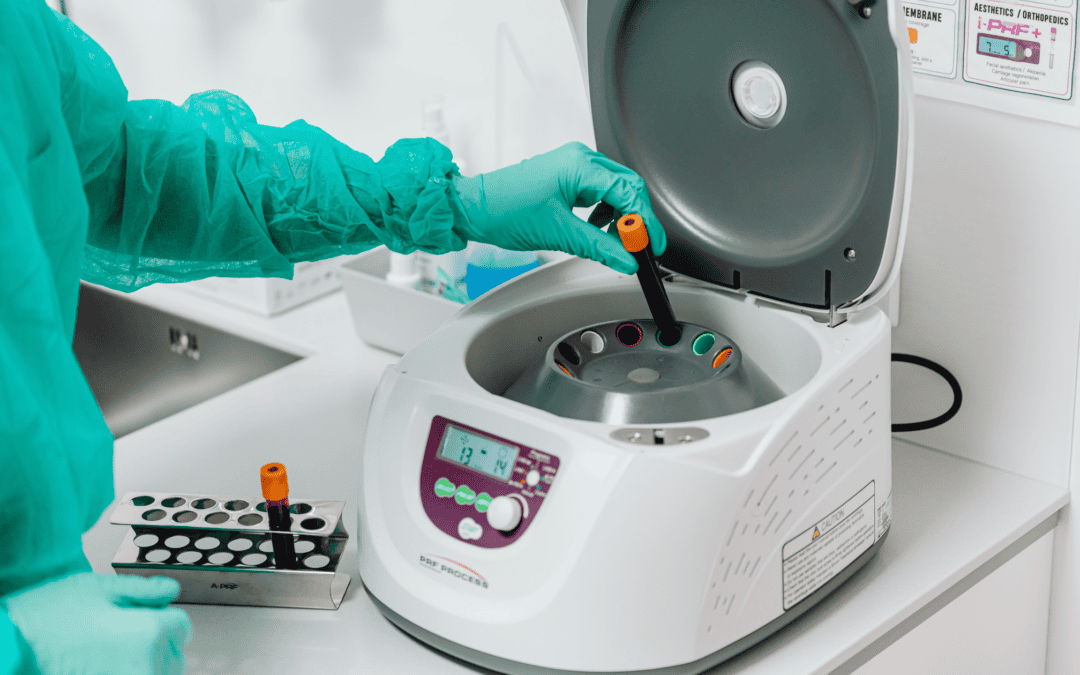
Common regenerative approaches include platelet-based therapies and other biologic injections that are derived from the patient’s own body. These treatments are most often used for musculoskeletal conditions affecting joints, ligaments, tendons, and certain spinal structures.
How Regenerative Treatments May Reduce the Need for Surgery
Surgery is typically recommended when pain and functional limitations persist despite conservative care. Regenerative therapies may help fill the gap between traditional treatments and surgical intervention by addressing underlying tissue damage earlier in the disease process.
Potential ways regenerative treatments may help avoid surgery include:
• Reducing inflammation that contributes to pain and stiffness
• Supporting tissue repair in tendons, ligaments, and cartilage
• Improving joint function and mobility
• Slowing degenerative changes when used appropriately
• Enhancing recovery when combined with physical therapy
For patients with mild to moderate degeneration or soft tissue injuries, these effects may significantly improve quality of life without the risks and recovery time associated with surgery.
Conditions Where Regenerative Treatments May Be Helpful
Regenerative therapies are not a cure-all, but they may be beneficial for certain conditions, including:
• Osteoarthritis of the knee, shoulder, or hip
• Tendon injuries such as tennis elbow or rotator cuff tendinopathy
• Ligament sprains or chronic instability
• Mild to moderate degenerative disc-related pain
• Joint overuse injuries
Patients with advanced joint collapse, severe structural damage, or progressive neurological symptoms may still require surgical evaluation.
Benefits Compared to Surgery
One of the primary reasons patients explore regenerative treatments is the desire to avoid surgery-related risks and downtime.
Potential advantages include:
• Minimally invasive procedures
• Shorter recovery periods
• Reduced risk of complications
• Outpatient treatment setting
• Use of the patient’s own biological materials
These factors make regenerative therapies an appealing option for patients who want to remain active or who may not be ideal surgical candidates.
Limitations and Realistic Expectations
While regenerative treatments can be effective for some patients, they are not guaranteed to eliminate pain or fully reverse degeneration. Results can vary based on the condition being treated, the severity of damage, overall health, and adherence to a rehabilitation plan.
It is also important to understand that regenerative treatments work best as part of a comprehensive pain management strategy that may include physical therapy, activity modification, and lifestyle changes.
Who Is a Good Candidate?
Good candidates for regenerative treatments often include patients who:
• Have not found sufficient relief with medications or therapy
• Want to delay or avoid surgery
• Have mild to moderate tissue damage
• Are willing to commit to follow-up care and rehabilitation
A thorough evaluation by a pain management or spine specialist is essential to determine whether regenerative treatments are appropriate.
The Importance of Personalized Care
No two patients are the same, and treatment decisions should never be one-size-fits-all. A personalized approach allows providers to weigh the potential benefits of regenerative therapies against other conservative or interventional options.
In some cases, regenerative treatments may delay surgery for years. In others, they may reduce pain enough to make daily activities manageable without surgery.
Final Thoughts
Regenerative treatments represent an exciting and evolving area of pain management. While they may not replace surgery for everyone, they offer a promising option for patients seeking less invasive solutions for chronic pain and musculoskeletal conditions.
If you are considering regenerative treatments, discussing your goals, expectations, and long-term plan with a qualified pain specialist can help you determine whether this approach may help you avoid, or at least postpone, surgery.