
May 21, 2026
Chronic tendon injuries can make everyday activities difficult and frustrating. Whether it is persistent shoulder pain, tennis elbow, Achilles tendinopathy, or chronic knee tendon irritation, these conditions often linger for months or even years. Traditional treatment options like rest, physical therapy, anti-inflammatory medications, or surgery do not always provide complete relief.
Today, advances in regenerative medicine are changing how chronic tendon injuries are treated. Orthobiologics are emerging as a promising option for patients seeking to reduce pain, improve function, and potentially avoid surgery.
What Are Chronic Tendon Injuries?
Tendons connect muscles to bones and help create movement throughout the body. Over time, repetitive stress, overuse, aging, or poor healing can cause tendon tissue to break down. This process is often referred to as tendinopathy or tendinosis rather than simple inflammation.
Common chronic tendon injuries include:
- Rotator cuff tendinopathy in the shoulder
- Tennis elbow (lateral epicondylitis)
- Golfer’s elbow
- Patellar tendinopathy (“jumper’s knee”)
- Achilles tendinopathy
- Hamstring tendon injuries
Unlike acute injuries, chronic tendon problems often involve degeneration of the tendon tissue rather than active inflammation. This is one reason why treatments like anti-inflammatory medications may only provide temporary symptom relief.
What Are Orthobiologics?
Orthobiologics are biologic substances used to help support the body’s natural healing process. These treatments are commonly derived from the patient’s own blood, bone marrow, or tissue and are designed to encourage tissue repair and regeneration.
Orthobiologic treatments commonly used for tendon injuries include:
- Platelet-rich plasma (PRP)
- Bone marrow aspirate concentrate (BMAC)
- Mesenchymal stem cell-based therapies
Research into orthobiologics continues to expand as physicians look for minimally invasive alternatives to surgery for musculoskeletal conditions.
Platelet-Rich Plasma (PRP) for Tendon Healing
PRP remains one of the most widely used orthobiologic treatments for chronic tendon injuries.
PRP is created by drawing a patient’s blood and processing it to concentrate platelets and growth factors. The PRP is then injected directly into the injured tendon under ultrasound guidance.
These growth factors may help:
- Stimulate tissue repair
- Improve blood flow
- Support collagen production
- Reduce pain
- Promote a healthier healing environment
PRP has been studied in conditions such as tennis elbow, Achilles tendinopathy, and rotator cuff disease. While results can vary depending on the condition and severity of injury, many patients experience improved pain and function after treatment.
One of the newer areas of research involves optimizing PRP formulations. Physicians are now studying differences between leukocyte-rich and leukocyte-poor PRP to determine which may work best for specific tendon conditions.
Bone Marrow Aspirate Concentrate (BMAC)
BMAC is another advanced orthobiologic option gaining attention for chronic tendon injuries.
This treatment involves collecting bone marrow—typically from the pelvis—and concentrating it to isolate healing cells, growth factors, and signaling proteins. The concentrated material is then injected into the damaged tendon.
BMAC may provide a more robust regenerative environment compared to traditional injections because it contains:
- Mesenchymal stem cells
- Cytokines
- Growth factors
- Anti-inflammatory signaling molecules
Emerging evidence suggests BMAC may be beneficial for more severe or long-standing tendon degeneration.
Can Orthobiologics Help Patients Avoid Surgery?
For some patients, orthobiologic treatments may help reduce pain and improve function enough to delay or avoid surgery. This is especially appealing for individuals who:
- Have chronic tendon pain despite conservative treatment
- Want to remain active
- Prefer minimally invasive options
- Are not ideal surgical candidates
- Want to support healing without prolonged downtime
However, orthobiologics are not a cure-all solution. Outcomes vary depending on:
- The severity of tendon damage
- Overall health
- Activity level
- The specific biologic treatment used
- Rehabilitation after treatment
In some cases, surgery may still be necessary, particularly for complete tendon tears or advanced structural damage.
The Importance of Proper Diagnosis and Rehabilitation
Successful treatment of chronic tendon injuries requires more than injections alone. A comprehensive treatment plan often includes:
- Diagnostic ultrasound or MRI evaluation
- Physical therapy
- Strengthening and mobility work
- Activity modification
- Biomechanical correction
- Guided rehabilitation
Orthobiologic treatments are often most effective when combined with a carefully designed recovery program that supports long-term tendon healing.
The Future of Tendon Injury Treatment
The field of orthobiologics continues to advance as research expands and regenerative therapies become more refined. While not every patient will require these treatments, orthobiologics are creating new possibilities for people living with chronic tendon pain who want alternatives beyond surgery and long recovery periods.
As technology and clinical evidence continue to evolve, regenerative medicine may play an increasingly important role in helping patients restore mobility, reduce pain, and return to the activities they enjoy.
Apr 9, 2026
Chronic joint and tendon pain can significantly impact your quality of life—limiting movement, reducing activity levels, and making even everyday tasks uncomfortable. While traditional treatments like medications, physical therapy, and surgery have long been the standard, regenerative medicine is transforming how we approach musculoskeletal injuries. One of the most promising advancements in this space is Platelet-Rich Plasma (PRP) therapy.
PRP therapy offers a minimally invasive, non-surgical option that uses your body’s natural healing mechanisms to repair damaged tissues. But what exactly is PRP, and how does it work? Let’s break it down.
What Is PRP Therapy?
Platelet-Rich Plasma (PRP) therapy is a regenerative treatment that uses a concentrated form of your own blood to promote healing. Blood contains several components, including red blood cells, white blood cells, plasma, and platelets. Platelets are especially important because they contain growth factors and proteins that play a key role in tissue repair and regeneration.
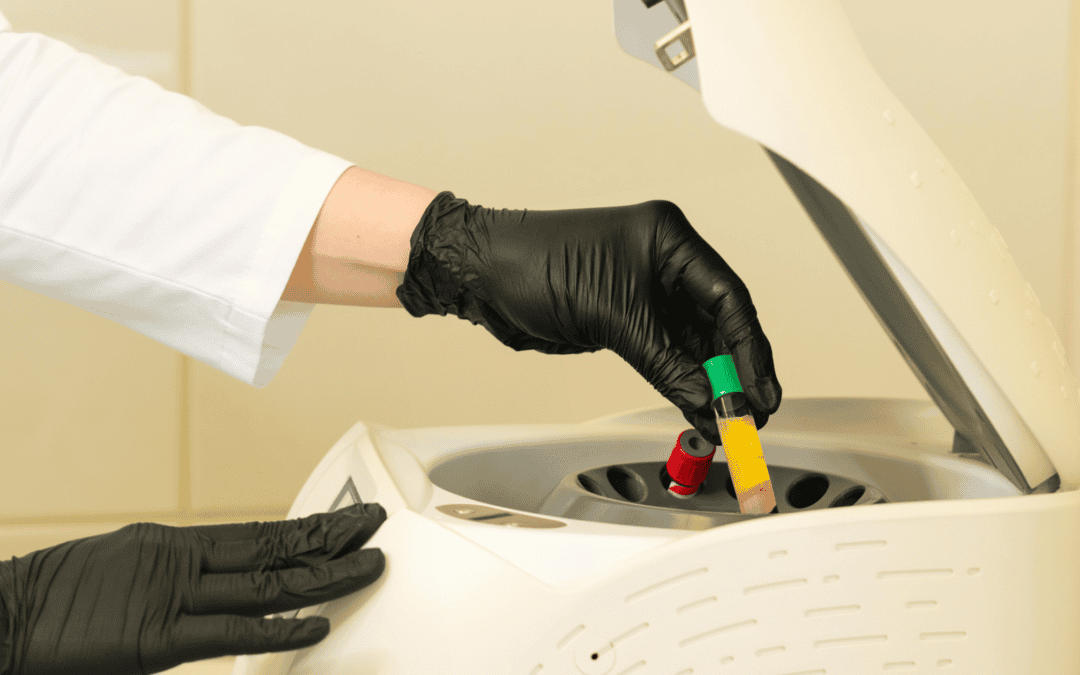
In PRP therapy, a small sample of your blood is drawn and placed in a centrifuge. This process separates the platelets from other blood components, creating a concentrated solution rich in healing factors. The PRP is then injected directly into the injured or painful area.
How PRP Promotes Healing
- Stimulates cell regeneration
- Promotes collagen production
- Improves blood flow to the injured area
- Reduces inflammation
- Accelerates tissue repair
Unlike corticosteroid injections, which primarily reduce inflammation temporarily, PRP targets the underlying cause of pain by supporting actual tissue healing.
Conditions PRP Can Treat
Joint Conditions
- Osteoarthritis (knee, hip, shoulder)
- Degenerative joint disease
- Cartilage injuries
Tendon Injuries
- Tennis elbow (lateral epicondylitis)
- Golfer’s elbow (medial epicondylitis)
- Achilles tendinitis
- Patellar tendinitis (jumper’s knee)
- Rotator cuff injuries
Ligament Injuries
- Partial ligament tears
- Chronic sprains
What to Expect During the Procedure
- Blood Draw: A small amount of blood is taken from your arm.
- Centrifugation: The blood is spun in a centrifuge to isolate the platelet-rich plasma.
- Injection: The PRP is injected into the targeted area, often using ultrasound guidance for precision.
Recovery and Results
One of the major advantages of PRP therapy is its relatively quick recovery time. Because it is a minimally invasive procedure, patients can often return to normal activities within a few days.
However, it’s important to note that PRP is not an instant fix. Since it works by stimulating natural healing, results develop gradually over time. Patients may begin to notice improvement within a few weeks, with continued progress over several months.
Benefits of PRP Therapy
- Minimally invasive
- Uses your body’s own cells
- Targets the root cause of pain
- Reduced downtime
- Versatile treatment option
Are You a Good Candidate for PRP?
PRP therapy is an excellent option for many patients, but it may not be suitable for everyone. Ideal candidates typically include individuals who have chronic joint or tendon pain, have not found relief with conservative treatments, and want to avoid or delay surgery.
PRP vs. Other Treatments
Corticosteroid injections provide short-term relief but do not promote healing. Physical therapy is beneficial but may not be enough for chronic conditions. Surgery can be effective but comes with higher risks and longer recovery times. PRP offers a regenerative alternative without the invasiveness of surgery.
Final Thoughts
If you’re struggling with persistent joint or tendon pain, PRP therapy may offer a safe, effective, and minimally invasive solution. By harnessing your body’s natural healing power, this innovative treatment helps restore function and improve quality of life.
At SDOMG, our team specializes in advanced, patient-centered treatments designed to help you get back to the activities you love. Schedule a consultation today to learn if PRP therapy is right for you.

Dec 24, 2025
Tendon injuries and chronic tendon degeneration — often called tendinopathy — are common yet stubbornly difficult to treat. From athletes pushing through pain to older adults coping with age-related wear, tendon issues can severely limit movement and quality of life. Traditional approaches like rest, physical therapy, anti-inflammatory medications, or surgery remain standard, but many people still struggle with lingering pain and functional limitations. Thankfully, emerging regenerative medicine approaches offer new hope — and a fundamentally different way of thinking about healing.
What Makes Tendons Hard to Heal?
Unlike other tissues, tendons have a poor blood supply, limiting their natural healing ability. When injured, tendons often form scar tissue rather than regenerating healthy tendon fibers, which can lead to chronic pain and repeated injury cycles. Aging, repetitive strain, and certain systemic conditions can worsen this process, making degeneration a long-lasting problem.
Regenerative Medicine: Healing Over Scarring
Regenerative medicine offers therapies that go beyond simply reducing symptoms. Instead, these treatments aim to stimulate the body’s own healing mechanisms, potentially leading to more complete tissue repair.
Here are some of the most studied and promising options:
1. Platelet-Rich Plasma (PRP) Therapy
PRP involves drawing a patient’s own blood, concentrating the platelets, and then injecting this platelet-rich plasma into the injured tendon. Platelets release growth factors that may help stimulate tendon cell activity, reduce inflammation, and support repair. PRP is one of the most widely used regenerative treatments for tendon injuries and is often offered as an outpatient procedure with minimal downtime.
2. Stem Cell-Based Therapies
Mesenchymal stem cells (from bone marrow or adipose tissue) are being researched for their ability to differentiate into tendon-like cells and secrete healing signals. Early studies suggest they could help modulate inflammation and support regeneration. Although clinical evidence continues to evolve and large, high-quality trials are still needed, many researchers view stem cells as a key frontier in tendon repair science.
3. Next-Generation Blood Factor Treatments
Beyond traditional PRP, newer approaches aim to isolate specific growth factors or concentrate regenerative signals more precisely. Plasma-Derived Factor treatments (like PDF-FD) extract and concentrate key proteins from blood, then deliver them directly to the injured site — potentially enhancing healing responses.
Other Frontiers: Biomaterials & Tissue Engineering
Researchers are also looking at biomaterials, scaffolds, and guided tissue engineering as ways to support tendon regeneration structurally and biologically. These approaches use engineered materials to provide a framework for tendon cells to grow — which, in theory, could rebuild tissue more like the original tendon. Although many of these are still in early stages, they represent exciting future directions.
What to Know Before Considering Regenerative Treatments
- Evidence varies: While some regimens are backed by clinical research, others are still experimental. The strength of evidence for effectiveness differs across therapies, and not all treatments are universally accepted by mainstream medical societies.
- Regulation and safety: Some regenerative therapies are regulated, others are offered at clinics without standardized oversight. Discuss risks, benefits, and alternatives with a qualified provider.
- Not a magic bullet: Regenerative treatments are most effective when combined with physical therapy, lifestyle changes, and proper loading programs to support tendon health.
Conclusion
Tendon injuries and degeneration don’t have to be resigned to “rest and wait.” The emerging world of regenerative medicine showcases promising paths to enhance healing, stimulate regeneration, and restore function — even for chronic tendon issues. As research advances and clinical evidence grows, these biologic solutions may reshape how we approach tendon care in the years ahead.
