Mar 20, 2026
Chronic pain is rarely caused by a single issue—and it rarely responds to a one-size-fits-all solution. For many patients, long-term relief requires a comprehensive, personalized approach that addresses both symptoms and underlying causes. One of the most promising additions to modern pain management is regenerative medicine.
Rather than simply masking discomfort, regenerative therapies aim to support the body’s natural healing processes. When combined with other treatments, regenerative medicine can play a powerful role in reducing pain, improving function, and enhancing overall quality of life.
What Is Regenerative Medicine?
Regenerative medicine focuses on repairing or restoring damaged tissues using the body’s own biological resources. Two of the most commonly used treatments in pain management include:
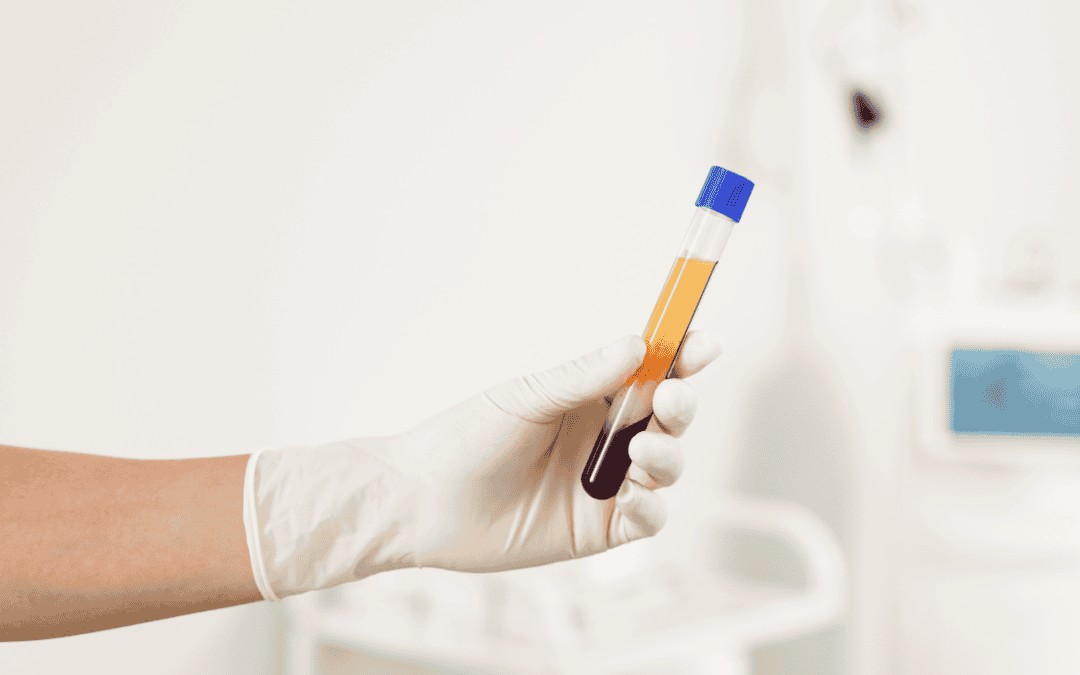
- Platelet-Rich Plasma (PRP): A concentration of platelets derived from your own blood, rich in growth factors that promote healing.
- Stem Cell Therapy: Uses specialized cells (often from bone marrow or adipose tissue) that can help repair damaged structures and reduce inflammation.
These therapies are often used to treat conditions involving joints, ligaments, tendons, and even certain spinal issues.
Why Regenerative Medicine Matters in Pain Care
Traditional pain treatments—such as medications, injections, or even surgery—often focus on symptom control. While these approaches can be effective, they don’t always address the root cause of the problem.
Regenerative medicine offers a different approach by:
- Supporting tissue repair and healing
- Reducing inflammation at the source
- Potentially delaying or avoiding surgery
- Promoting longer-lasting relief compared to temporary treatments
Conditions Commonly Treated with Regenerative Therapies
Regenerative medicine is frequently used as part of a broader pain management strategy for conditions such as:
- Osteoarthritis (knee, hip, shoulder)
- Tendon injuries (such as rotator cuff or Achilles tendon issues)
- Ligament sprains and instability
- Degenerative disc disease
- Chronic joint pain
Integrating Regenerative Medicine into a Comprehensive Plan
The most effective pain management strategies combine multiple therapies tailored to the individual. Regenerative medicine is rarely used in isolation—instead, it works best as part of a coordinated plan that may include:
Physical Therapy
Rehabilitation helps strengthen surrounding muscles, improve mobility, and support healing after regenerative treatments.
Interventional Procedures
Targeted injections, nerve blocks, or minimally invasive procedures can provide additional pain relief and improve function.
Lifestyle Modifications
Weight management, nutrition, posture, and activity adjustments all play a role in long-term success.
Behavioral and Psychological Support
Chronic pain affects both the body and mind. Stress management, cognitive behavioral therapy, and sleep optimization can enhance treatment outcomes.
What to Expect from Treatment
Regenerative therapies are typically performed in an outpatient setting and involve minimal downtime. However, results are not immediate. Because these treatments stimulate natural healing, improvement often occurs gradually over weeks to months.
Patients may experience:
- Mild soreness after the procedure
- Gradual reduction in pain
- Improved strength and function over time
A series of treatments may be recommended depending on the condition and severity.
Is Regenerative Medicine Right for You?
Regenerative medicine is an exciting and evolving field, but it is not a cure-all. The best candidates are typically individuals who:
- Have chronic musculoskeletal pain
- Want to avoid or delay surgery
- Have not found sufficient relief from conservative treatments
- Are committed to a comprehensive care plan
A thorough evaluation by a qualified pain specialist is essential to determine whether these therapies are appropriate.
The Bottom Line
Regenerative medicine represents a shift in how we approach pain care—from simply managing symptoms to actively supporting healing. When integrated into a comprehensive treatment plan, therapies like PRP and stem cell injections can help patients achieve meaningful, lasting improvements.
If you are living with chronic pain, exploring regenerative options as part of a broader strategy may open the door to better outcomes and a more active, comfortable life.
Dec 12, 2025
Joint degeneration doesn’t happen overnight. It’s a slow, progressive process — but the earliest warning signs are often subtle enough that many people shrug them off as “getting older” or “overdoing it.” Identifying these changes early can make all the difference in treatment outcomes, mobility, and long-term joint health. And thanks to advances in regenerative medicine, patients now have powerful options that can protect, repair, and even restore damaged tissue before the problem becomes severe.
Below, we break down the early symptoms to watch for and explore how modern regenerative therapies can help interrupt the degenerative cascade.
What Early Joint Degeneration Looks Like
1. Persistent Morning Stiffness
If you feel “rusty” or tight first thing in the morning — especially in the knees, hips, or spine — this can indicate early cartilage wear or inflammation. Stiffness that improves as you move around is a classic hallmark of early degenerative changes.
2. Clicking, Popping, or Grinding
Noisy joints aren’t always dangerous, but when those sounds are paired with discomfort, swelling, or instability, they may signal roughened surfaces or early cartilage breakdown.
3. Pain With Activity That Improves With Rest
You might feel fine at rest but experience dull aching during:
- Walking up or down stairs
- Long periods of standing
- Squatting or lifting
- High-impact workouts
This “use-related pain” often shows up years before advanced arthritis.
4. Swelling or Warmth Around the Joint
Mild inflammation is one of the earliest internal reactions to joint stress or degeneration. Even occasional swelling after activity can indicate chronic irritation inside the joint.
5. Reduced Range of Motion
Maybe your knee doesn’t bend the way it used to, or your shoulder feels tight when reaching overhead. Loss of flexibility is often one of the first measurable signs of joint deterioration.
6. Fatigue or Weakness in the Joint
Muscles surrounding a degenerating joint often work overtime to compensate, which can create fatigue, shakiness, or weakness during routine tasks.
Why Early Action Matters
Once cartilage has worn away significantly, it cannot regenerate on its own — and late-stage arthritis often requires aggressive treatments like joint replacement. Early intervention, however, can slow or even stop the degenerative cycle. The goal is to reduce inflammation, restore stability, and stimulate natural repair pathways before more permanent damage occurs.
This is where regenerative medicine shines.
How Regenerative Therapies Can Help
Platelet-Rich Plasma (PRP)
PRP concentrates your body’s own growth factors to:
- Reduce inflammation
- Promote tissue repair
- Slow cartilage breakdown
- Improve joint lubrication
Great for early osteoarthritis, tendon irritation, and chronic joint strain.
Orthobiologics
These treatments use biologically active cells and proteins to enhance healing in damaged tissue. Orthobiologics can improve structural stability, reduce inflammation, and support long-term joint health.
Cell–Based Therapies
These therapies may help stimulate new tissue formation in joints that show early degenerative changes. They can support:
- Cartilage protection
- Improved mobility
- Reduced pain
- Enhanced shock absorption
Especially useful for knees, hips, shoulders, and spine-related degeneration.
Hyaluronic Acid (Viscosupplementation)
A lubrication-boosting gel injected into the joint to:
- Improve glide
- Reduce pain
- Support smoother movement
Works well for mild to moderate osteoarthritis.
Lifestyle + Regenerative = Long-Term Prevention
The best outcomes happen when regenerative therapies are paired with:
- Strength training
- Weight management
- Physical therapy
- Anti-inflammatory nutrition
- Activity modification
Together, these strategies help reinforce joint support structures and reduce ongoing stress.
When to Seek Evaluation
You don’t need severe pain to justify seeing a specialist. In fact, the sooner you understand what’s happening inside your joints, the more options you have to preserve their health.
Seek evaluation if you notice:
- Recurring stiffness
- Activity-related pain
- Early swelling
- Clicking or grinding
- Weakness or instability
A simple exam — sometimes paired with X-ray or ultrasound — can determine your level of joint degeneration and whether regenerative therapies are appropriate.
Final Thoughts
Joint degeneration doesn’t have to be inevitable or irreversible — especially when it’s caught early. Modern regenerative options offer patients a chance to protect and restore joint health naturally, often delaying or avoiding more invasive procedures down the line.
If you’re starting to notice the early signs, now is the perfect time to explore your options and take proactive steps to keep your joints strong, mobile, and pain-free for years to come.
Dec 16, 2020
In the last few years, there have been great advances in the field of Regenerative Medicine and Stem Cell Therapy. These treatments hold a great deal of promise for the treatment of a variety of orthopedic conditions. Most treatments are offered at your convenience in a medical clinic setting without the need for surgery.
What is Regenerative Medicine?
Regenerative medicine is a multi-disciplinary field that aims to restore damaged or diseased tissues by utilizing the body’s own natural healing process. By bringing together many different disciplines such as cellular biology, genetics, and tissue engineering, Regenerative Medicine has revolutionized the way physicians can treat orthopedic conditions. Stimulating our body’s natural ability to heal and promote tissue regeneration has replaced many traditional treatment options such as steroid injections or surgery.
Stem Cell Therapy
According to the International Society for Stem Cell Research’s (ISSCR) president, Douglas Melton, “Stem cell science is rapidly transforming how we think about the future of medicine. The field is actively working to address how we facilitate getting potential therapies from the lab to the clinic.”
Stem cells have the ability to develop into many different types of cells in the body, which is why stem cell therapy is important in the field of regenerative medicine. There is constant advancement of research in the use of stem cell for replacement of damaged tissue or transplants, drug testing and development and regenerative medicine.
How are Stem Cell Therapy and Regenerative Medicine Related?
There is a direct connection to stem cell therapy and the practice of Regenerative Medicine which harnesses the body’s ability to heal itself and regrow tissues. The different types of stem cells, namely embryonic, adult, and induced pluripotent stem cells, are used in the field of developmental biology to study how cells behave. Stem cells are also used to test new to drugs for the treatment of various diseases and medical conditions. In the field of orthopedics, adult stem cells play a crucial role in the cell-based therapies used to treat orthopedic injuries such as knee osteoarthritis.
What Orthopedic Conditions Can Be Treated with Cell-Based Therapies?
- Knee pain due to osteoarthritis or meniscus tears
- Shoulder pain due to rotator cuff tendon tears or tendinitis
- Carpal Tunnel Syndrome
- Golfer’s Elbow and Tennis Elbow
- Sciatica
- Chronic ankle ligament sprains
- Low back pain due to disc degeneration or sacroiliac joint ligament injury
Regenerative medicine has entered the world of clinical practice thanks to quickly evolving technology and advancements in the understanding of how stem cells work in the body. As research continues, the field of Regenerative Medicine and stem cell therapy will continue to grow, providing doctors and their patients the ability to treat many conditions that were previously untreatable.
REFERENCES:
NCBI: Regenerative Medicine
UNMC: Stem Cells and Regenerative Medicine
International Society of Stem Cell Research: Stem Cell Therapies and Regenerative Medicine
California Stem Cell Agency: The Power of Stem Cells
American Association of Blood Banks: Regenerative Medicine
