
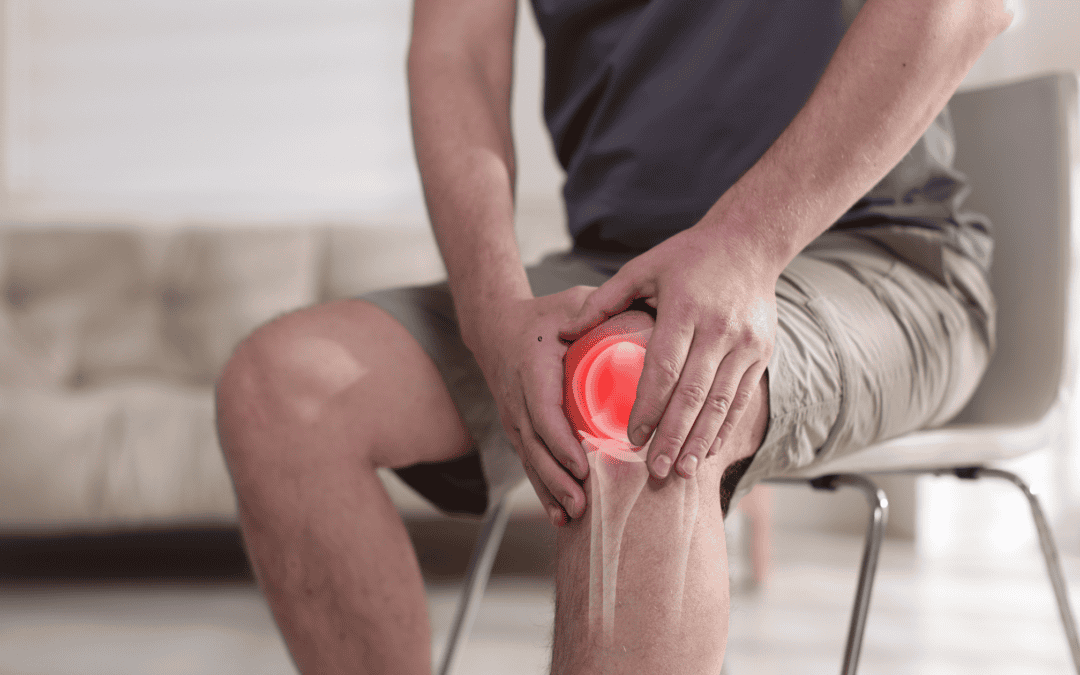
Joint Preservation and Early Arthritis Care
Joint preservation focuses on protecting and maintaining the natural function of joints for as long as possible. Instead of immediately resorting to joint replacement surgery, joint preservation aims to slow or halt joint degeneration, reduce pain, and improve mobility through early diagnosis and targeted treatments.
As arthritis and joint degeneration often develop gradually, early intervention plays a critical role in maintaining joint health. By addressing symptoms and structural changes early, patients may be able to delay—or even avoid—the need for surgical joint replacement.
What Causes Early Joint Degeneration?
Joint degeneration can occur for several reasons, and it often begins long before noticeable symptoms develop. Some of the most common contributing factors include:
- Osteoarthritis: The most common form of arthritis caused by wear and tear of cartilage.
- Previous Injuries: Sports injuries, ligament tears, fractures, or joint dislocations can accelerate degeneration.
- Repetitive Stress: Jobs or activities that place consistent strain on joints may lead to early damage.
- Inflammatory Conditions: Rheumatoid arthritis and other autoimmune diseases can affect joint tissues.
- Age and Genetics: Natural aging and family history both play a role in joint health.
- Excess Weight: Additional body weight places increased pressure on weight-bearing joints such as the knees and hips.
Understanding the underlying cause helps healthcare providers create a personalized joint preservation plan.
Recognizing Early Signs of Arthritis
Early arthritis symptoms can be subtle and are sometimes mistaken for normal aging or minor injury. Seeking medical evaluation when symptoms first appear can significantly improve treatment outcomes.
Common early warning signs include:
- Joint stiffness, especially in the morning or after inactivity
- Mild but persistent joint pain
- Swelling or tenderness around joints
- Decreased range of motion
- Clicking, grinding, or popping sensations in the joint
- Fatigue or discomfort during physical activity
If these symptoms persist or worsen over time, early intervention may help protect the joint from further deterioration.
Diagnostic Tools for Early Arthritis Detection
Accurate diagnosis is essential for effective joint preservation. Providers may use a combination of evaluation methods, including:
Physical Examination
Assessment of joint movement, stability, strength, and areas of pain.
Imaging Studies
- X-rays: Identify bone changes and cartilage loss.
- MRI: Detect soft tissue damage, cartilage injuries, and early joint degeneration.
- Ultrasound: Evaluate inflammation, fluid buildup, and soft tissue abnormalities.
Laboratory Testing
Blood tests may help identify inflammatory or autoimmune causes of joint pain.
Non-Surgical Joint Preservation Treatments
Many early arthritis cases can be managed effectively without surgery. Treatment plans often include a combination of therapies tailored to the patient’s condition and lifestyle.
Physical Therapy and Rehabilitation
Targeted exercises help strengthen muscles around the joint, improve flexibility, and enhance stability, which reduces strain on damaged joint structures.
Activity Modification
Adjusting daily activities or athletic movements can reduce repetitive joint stress while maintaining overall mobility and function.
Weight Management
Maintaining a healthy weight can significantly reduce pressure on joints, particularly in the knees, hips, and spine.
Medication Management
Anti-inflammatory medications and pain relievers may help control symptoms and improve comfort during daily activities.
Advanced Joint Preservation Procedures
When conservative treatments are not enough, minimally invasive and regenerative therapies may help support joint repair and healing.
Injection-Based Therapies
- Corticosteroid Injections: Reduce inflammation and provide temporary pain relief.
- Hyaluronic Acid Injections: Improve joint lubrication and mobility.
- Platelet-Rich Plasma (PRP): Uses the patient’s own blood components to promote healing and tissue repair.
Regenerative Medicine
Emerging regenerative therapies aim to stimulate the body’s natural healing processes to repair damaged tissues and slow joint degeneration.
Minimally Invasive Arthroscopic Procedures
In some cases, arthroscopy may be used to repair cartilage, remove damaged tissue, or correct joint alignment before advanced arthritis develops.
Lifestyle Strategies to Support Joint Preservation
Patients can play an active role in maintaining joint health through daily habits that support long-term mobility.
Helpful strategies include:
- Staying physically active with low-impact exercises such as swimming, cycling, or walking
- Practicing stretching and flexibility routines
- Using proper body mechanics during lifting or exercise
- Wearing supportive footwear
- Following an anti-inflammatory diet rich in whole foods, lean proteins, fruits, vegetables, and healthy fats
When Is Joint Replacement Necessary?
Joint replacement surgery may become necessary when:
- Joint damage is severe
- Pain significantly limits daily activities
- Conservative treatments no longer provide relief
- Mobility and quality of life are severely affected
The goal of joint preservation is not to eliminate joint replacement entirely but to delay it whenever possible, allowing patients to maintain their natural joint function longer.
The Importance of Early Arthritis Care
Early arthritis care focuses on proactive management rather than reactive treatment. Patients who seek evaluation and treatment at the first signs of joint discomfort often experience better outcomes, slower disease progression, and improved quality of life.
Healthcare providers specializing in joint preservation can develop personalized treatment plans designed to:
- Reduce inflammation and pain
- Improve joint stability and function
- Slow or prevent further joint damage
- Support long-term mobility and activity levels
Final Thoughts
Joint preservation and early arthritis care emphasize the importance of early diagnosis, conservative treatment, and proactive lifestyle changes. With modern medical advancements and individualized care plans, many patients can successfully manage arthritis symptoms and maintain active, healthy lives without immediate surgery.
If you are experiencing early joint pain, stiffness, or mobility limitations, seeking professional evaluation can help protect your joints and preserve long-term function.