Sep 6, 2022
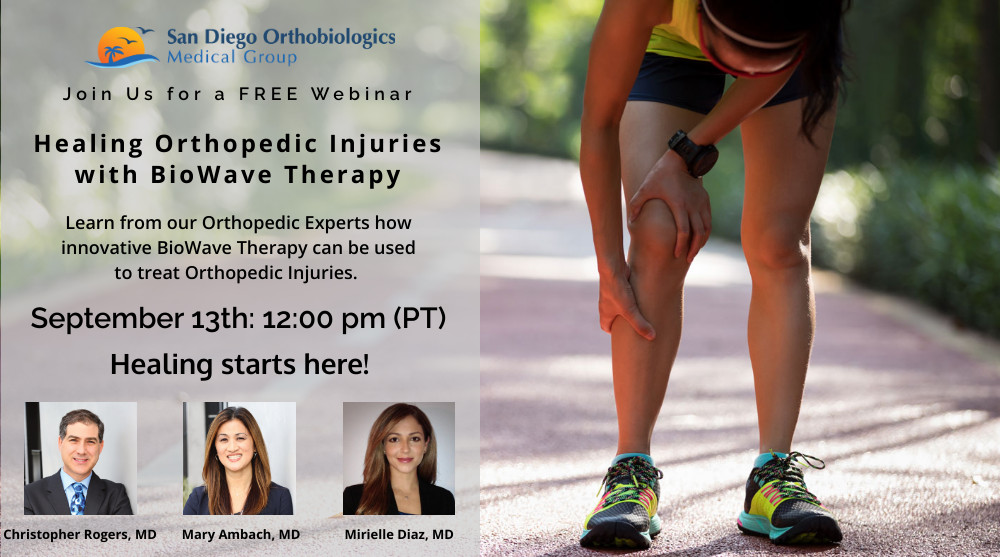
A free webinar on healing orthopedic injuries with BioWave therapy was held on September 13, 2022 featuring Drs. Diaz, Ambach, and Rogers. See the video here.
Dr. Christopher Rogers is one of the world’s leading experts in orthopedic regenerative medicine and a renowned speaker at national medical conferences. He has developed new approaches for the treatment of tendon injuries, osteoarthritis and disc degeneration which provide a safe and viable alternative to surgery.
Dr. Mary Ambach specializes in non-surgical orthopedics, regenerative therapies and interventional pain management. As a key thought leader in the field of Regenerative Medicine, Dr. Ambach conducts research, trains physicians and lectures at international medical conferences.
Apr 16, 2021
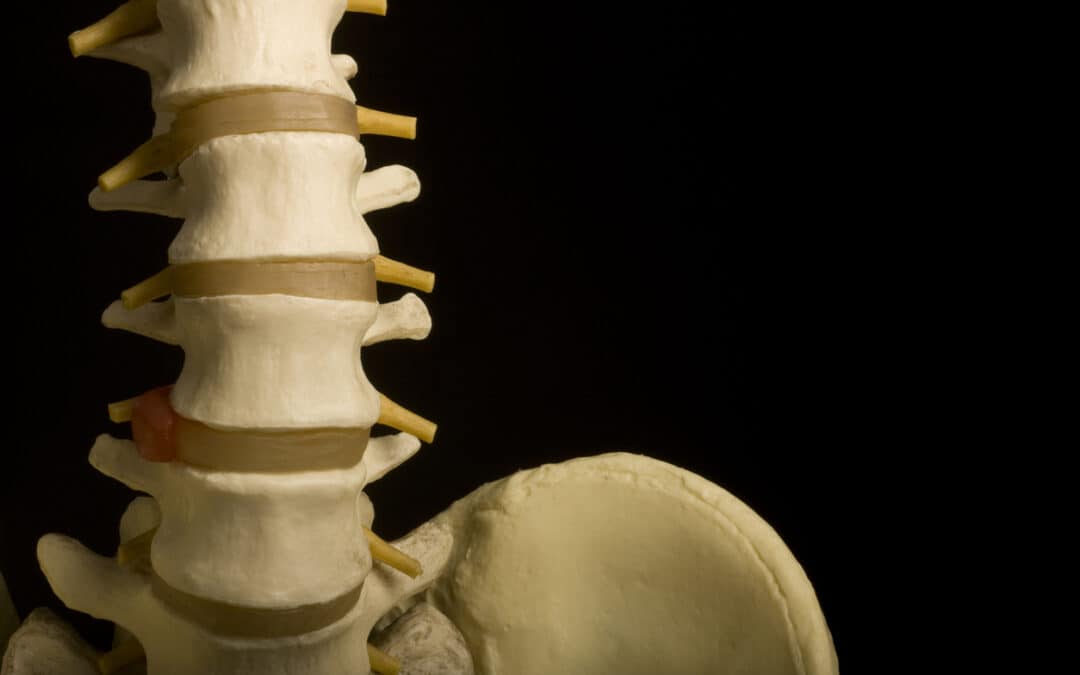
Facet joints are small joints that connect the bones of the spine called vertebrae. They come in pairs on each side of the vertebral bones. They allow for motion of the spine like bending and twisting. The orientation of the facet joint dictates the direction of the motion it allows.
There are various causes of pain coming from the facet joint. Similar to the joints in your arms and legs, the facet joints are prone to wear and tear. They can develop degenerative changes or joint osteoarthritis. This is a common condition in older people. The capsule surrounding the facet joint, which is made of ligaments and connective tissue, can be overstretched creating a sprain injury. Autoimmune or Inflammatory conditions like rheumatoid arthritis can also affect the facet joints by causing inflammation and deterioration.
Pain in the facet joints are typically felt in the local region of the affected joint segmetns. The pain can be felt close to the midline in the neck, upper back, mid-back or low back. Sometimes the pain is referred to the head, shoulder blade, shoulder, thigh or buttock. Stiffness, grinding in the joints (crepitus) and muscle spasm are other symptoms associated with facet joint disorders.
The standard treatment for facet joint pain include a course of physical therapy, non-steroidal anti-inflammatory medications, pain relieving medications, and home exercise program. When conservative measures fail, injection therapy to the facet joints or to the nerves leading to the facet joints can be helpful.
What is a Facet Joint Injection?
Facet joint injection is a minimally invasive procedure that is performed in an outpatient medical clinic. Local anesthesia is typically used in the procedure. There is no need for sedation in most cases. The procedure is performed under fluoroscopic (live digital x-ray) guidance. The typical substances that are injected to the facet joint are steroid medication to decrease inflammation and local anesthesia to provide immediate pain relief. The effects of these medications can provide temporary pain relief that typically last for 3-4 months.
Another injection that can provide pain relief does not involve injection to the joint, rather it involves the injection of numbing agents to the pain transmitting nerves (medial branch) called a nerve block. If this procedure results to a positive reponse, another procedure called Radiofrequency Ablation (RFA) can be performed. This involves inducing a heat lesion to the medial branches to prevent transmission of pain signals to the brain.
The use of Orthobiologics is an alternative treatment to facet joint conditions. Although the research on these treatments for spinal conditions is relatively new, it has the potential to improve arthritis and provide long term pain relief.
Risks Associated with the Facet Joint Injection Procedure
Facet joint injections are relatively safe with minimal risks. Risks associated with this procedure may include:
- Discomfort at the Injection Site: These effects are temporary and typically resolve in a few hours.
- Adverse reaction to medications: Some of the medications used in the procedure can cause adverse reaction in susceptible individuals. It is important to review your medications with your physician prior to the procedure. Severe allergic reactions are rare.
- Bleeding: Patients who are taking blood thinners or have a bleeding disorder are at risk for bleeding when undergoing an injection procedure. Blood thinners are typically stopped for 3-5 days prior to the procedure, with the permission of your primary doctor, to avoid this risk.
- Infection: Infection is rare when the procedure is performed under strict sterile protocols and proper procedure technique.
Sources:
https://www.ncbi.nlm.nih.gov/pmc/articles/PMC1905869/
http://www.ajnr.org/content/33/8/1419
https://www.ncbi.nlm.nih.gov/pmc/articles/PMC6206372/
Dec 11, 2020
Natural therapies have been a valuable option for patients seeking alternative options to traditional medical treatments. These natural remedies can help relieve pain and stiffness associated with joint arthritis. It can also play an important role in one’s overall wellness.
Natural Ways to Reduce Joint Pain
Massage
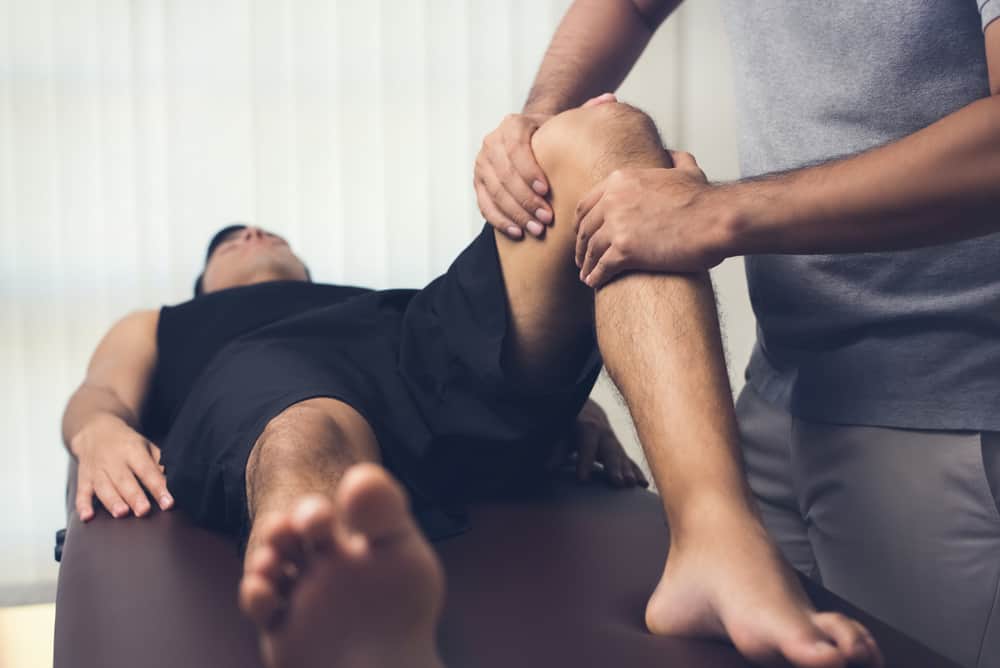
Massage therapy has shown many health benefits for thousands of years. It can help improve flexibility, improve circulation, manage chronic pain, and improve rehabilitation. It can also promote overall well-being by reducing anxiety, promoting relaxation and improving sleep.
Acupuncture
Acupuncture is a form of traditional Chinese medicine which involves very thin small needles that are inserted through the skin at specific acupuncture points on the body. It is believed to stimulate the central nervous system, improve blood flow and activate the body’s natural painkillers. A meta-analysis study showed that acupuncture can not only improve chronic knee pain associated with osteoarthritis, it can also improve short and long term physical function.
Yoga
Yoga is an ancient Indian practice that uses deep breathing, meditation and body postures. Several studies have shown significant reduction in pain and function with improved strength, balance and gait, when used as an adjunct in the management of arthritis.1 The psychological benefits of Yoga therapy have been shown in the published literature to help reduce blood pressure, heart rate, anxiety and many other benefits.
Exercise
Exercise keeps your joints flexible and improves the strength of supporting muscles. Low impact exercises such as walking, cycling, and aquatic therapy are great options for patients with joint arthritis. Working with a physical therapist or a personal trainer offers many benefits in addition to getting proper exercise. They can perform manual therapies, counsel on proper positioning and body movement and recommend assistive devices such as braces. Aquatic therapy, also known as pool therapy or water therapy, is an alternative option for those who can not perform land-based therapies with less risk of exacerbating their joint pain. The gravity reduced environment of water can allow for gentle movements to improve strength, flexibility, and endurance that is better tolerated by some.
It is important to maintain a regular home exercise routine to continue the benefits of exercise and maintain overall health.
Weight loss
Being overweight is a major risk factor for the development of osteoarthritis. Losing weight removes extra pounds of pressure on swollen, painful joints. Maintain a healthy weight by combining a balanced diet with regular physical activity.
Heat and Cold
Heat can relieve muscle and joint stiffness while cold can reduce inflammation, swelling and pain. These are easily available modalities that can help manage joint pain and reduce the need for pain medications .
Natural alternative arthritis treatments are generally safe and can be a good adjunct to standard medical treatments. Some do have scientific evidence to support their efficacy, however others need more research to evaluate their benefits. Patients can discuss these treatments with their doctor to determine if these are appropriate for their specific needs.
1 Ebnezar J, Nagarathna R, Yogitha B, Nagendra HR. Effect of integrated yoga therapy on pain, morning stiffness and anxiety in osteoarthritis of the knee joint: A randomized control study. Int J Yoga. 2012;5(1):28-36. doi:10.4103/0973-6131.91708
