
Apr 20, 2021
How do you decide when to proceed with surgery vs. biologics for knee pain due to osteoarthritis, ligament, or meniscus injuries? When should you consider Cell-Based Therapies like PRP, Bone marrow, or Fat Derived Stem Cell treatments for Knee Joint Problems? Join us and learn from experts in the field of Regenerative Medicine!
We are excited to have an International Guest Speaker, Dr. William Murrell, join us for this webinar. He is an Orthopedic Surgeon who is active in developing innovative technology in the field of Regenerative Medicine. He will provide a valuable perspective as a surgeon using these Cell therapies in treating knee pain.
- Date and Time : April 21, 2021. 12 pm PT
- Speaker(s): Dr. Chris Rogers and Dr. Mary A. Ambach featuring our Guest Speaker: Dr. William Murrell
Dr. Christopher Rogers is one of the world’s leading experts in orthopedic regenerative medicine and a renowned speaker at national medical conferences. He has developed new approaches for the treatment of tendon injuries, osteoarthritis, and disc degeneration which provide a safe and viable alternative to surgery.
Dr. Mary Ambach specializes in non-surgical orthopedics, regenerative therapies, and interventional pain management. As a key thought leader in the field of Regenerative Medicine, Dr. Ambach conducts research, trains physicians, and lectures at international medical conferences.
Dr. William Murrell is a Board Certified Orthopaedic surgeon with a sub-specialty in orthopaedic sports medicine and regenerative medicine. He is well recognized in the field of regenerative medicine and is active in clinical research collaborating with experts around the world.

Apr 12, 2021
Dr. Christopher Rogers was honored to speak at the April 2021 La Jolla Golden Triangle Rotary Club meeting. Topics of the lecture included a history of stem cell therapy in San Diego and an update on FDA-approved clinical trials for knee osteoarthritis. To see a copy of the lecture, visit the San Diego Orthobiologics Medical Group YouTube channel or view the video linked below!
Mar 5, 2021
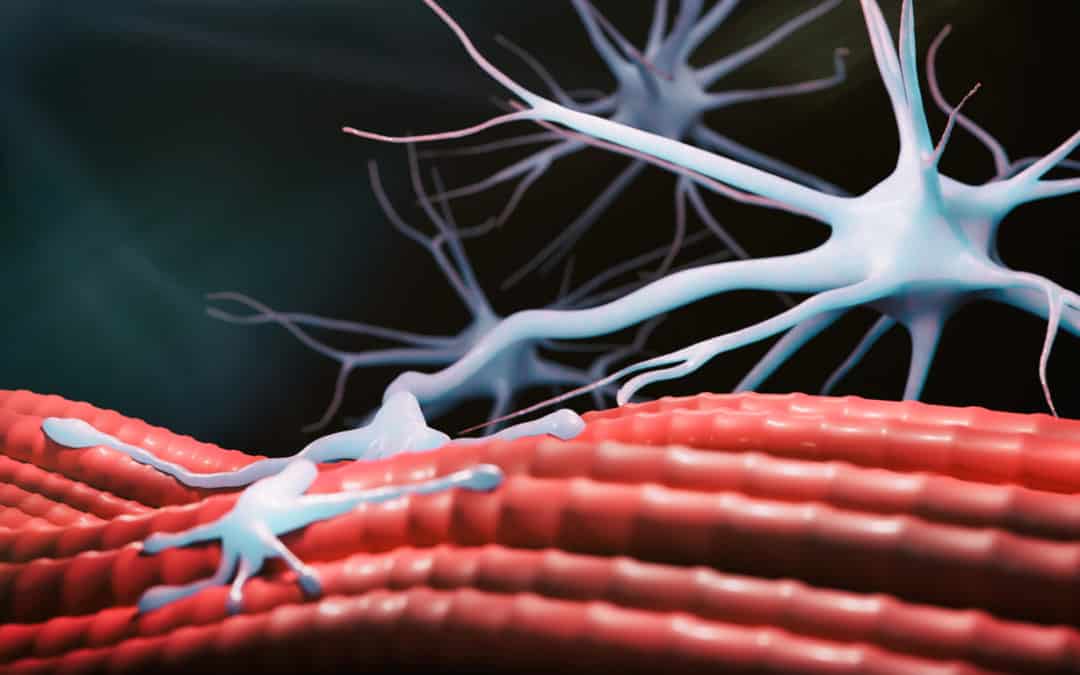
Muscle strain and muscle tears are not limited to sports injuries, they can also occur on the job or at home. One wrong move, a fall, or any injury can lead to significant muscle damage in the back, legs, or arms.
A strain or pulled muscle occurs when the fibers in the muscles are overstretched. When those fibers become stretched so thin that they break, it becomes a muscle tear.
Depending on the severity of the injury, it may take anywhere from a few days to several weeks to fully heal from these injuries. Muscle regeneration usually starts during the first four to five days after injury, peaks at two weeks, and then gradually diminishes three to four weeks after the injury. In severe cases, it may take surgery to repair a muscle tear.
Can cellular treatments help patients heal more quickly and naturally from these injuries?
How Do Cellular Treatments Promote Healing Muscle Tissue?
Cellular treatments for musculoskeletal injuries operate on the principle that the body has the ability to heal itself. Regenerative medicine specialists use certain cells in our body that are involved in healing to stimulate the repair of damaged tissues and augment the body’s healing response.
These innovative cell therapies have been successfully used to treat orthopedic conditions.
- Platelet Rich Plasma: Platelets in blood release growth factors and proteins that promote tissue repair, while the plasma carries the hormones, electrolytes, and nutrients required to nourish cells during the healing process. Platelet-rich plasma treatments can be customized to create specific formulations for each type of tissue being treated (muscle, tendon, ligament, cartilage).
- Stem Cell Treatments: Cells derived from the patient’s own bone marrow or adipose (fat) tissue produce molecules that stimulate the production of new blood vessels, awaken other stem cells and encourage newly forming cells to produce collagen and other proteins essential for creating new healthy new tissue.
The use of cell therapies for muscle injuries have been studied in many clinical trials. There is evidence that it can induce muscle cell proliferation, assist with tissue healing and shorten the time for athletes to return to sports after an injury. Nevertheless, more studies are needed to evaluate the use of PRP for muscle injuries. There are many exciting new potential therapeutic applications of cellular therapies like stem cell treatments in repairing muscle injuries without the need for surgery. Advances in tissue engineering and biotechnology will pave the way for this to become a reality in the near future.
Drs. Christopher Rogers and Mary A. Ambach of San Diego Orthobiologics Medical Group are nationally recognized experts in the field of regenerative medicine. For more than 20 years, they have been helping patients with joint and spine injuries overcome their pain through the latest advances in cell-based treatments.
Feb 19, 2021
Regenerative medicine is a field in medicine that develops methods to regrow, repair, or replace damaged diseased cells, tissues or organs. It utilizes the body’s natural healing processes to rebuild damaged tissues and heal injuries. In the field of orthopedics, regenerative medicine holds great promise for helping patients with injuries or degeneration involving the musculoskeletal system.
Damage to the joints, ligaments, tendons, or discs can lead to chronic pain in various parts of the body including:
- Lower Back
- Knees
- Hips
- Neck
- Feet and ankles
- Hands and wrists
- Elbows and Shoulders
Regenerative medicine addresses the reason for the pain by helping to heal and create new healthy tissues.
How Does it Work?
Regenerative treatments for orthopedic conditions use the patient’s own blood and tissues from bone marrow or fat to kick-start the body’s own healing processes. These cells are removed from the patient and concentrated to isolate the healing proteins, molecules, and nutrients they contain. These super-healers are then re-injected into the site of damaged tissue to encourage new cell growth and healing.
The U.S. Food & Drug Administration (FDA) does not allow the use of embryonic cells or birth tissue products for treating orthopedic conditions. However regenerative medicine physicians can use FDA-compliant autologous cellular products to treat musculoskeletal problems.
These autologous cell therapies include:
- Platelet Rich Plasma: Platelets in the patient’s own blood release growth factors and proteins that promote tissue repair, while the plasma carries the hormones, electrolytes and nutrients required to nourish cells during the healing process.
- Cell Based Therapies: Adult Stem Cells taken from the patient’s own fat tissue (adipose) or bone marrow have the unique ability to develop into the specific kind of cell needed and possess molecules that direct other cells in the injured area to form new blood vessels, awaken other stem cells and encourage newly forming cells to produce collagen and other proteins essential for creating new healthy tissues.
Prolotherapy (Proliferative Therapy) is a Regenerative injection using natural medications, specifically dextrose, that help the body jump-start its own natural healing response when injected into the injured area.
Is Regenerative Medicine Painful?
For many years, patients with unresolved chronic orthopedic pain were left to consider surgery as their last option and best hope for long-term pain relief. But with advancements in regenerative medicine, these patients can avoid major surgery and lengthy rehabilitation.
Regenerative treatments are injection procedures and unlike surgery, they do not involve the pain or risk of large surgical incisions. Blood, bone marrow, or fat tissue is collected, processed, and injected into injured tissue on the same day. These procedures are typically performed on an out-patient basis and recovery begins at home within hours of the treatment.
Ask the Right Questions, Get the Best Results
When considering regenerative medicine treatments, it is important that you do your research in selecting a physician that is highly skilled and experienced in regenerative medicine. The following are questions that you need to ask before making your decision. Patients get the best outcomes when the answer is “yes” to all these questions.
- Is the physician board-certified and specializes in diagnosing and treating orthopedic conditions? Examples include Physical Medicine and Rehabilitation, Sports Medicine, Orthopedics, Pain Management physicians.
- Do you use appropriate, advanced, FDA-compliant devices in the preparation of the cellular products that can deliver the best results?
- Are the treatments performed using imaging guidance to ensure precise delivery of the regenerative products to the site of the injury?
- Is the practice compliant with FDA regulations?
- Do you track your outcomes and present them at medical conferences or publish them in medical journals?
Drs. Christopher J. Rogers and Mary A. Ambach of San Diego Orthobiologics Medical Group together have successfully treated thousands of patients with PRP and cell-based treatments for more than three decades. They are published authors and stem cell researchers. Their facility in Carlsbad contains the most advanced Regenerative Medicine technology in San Diego and offers same-day treatments with the highest level of safety and efficacy
Feb 11, 2021
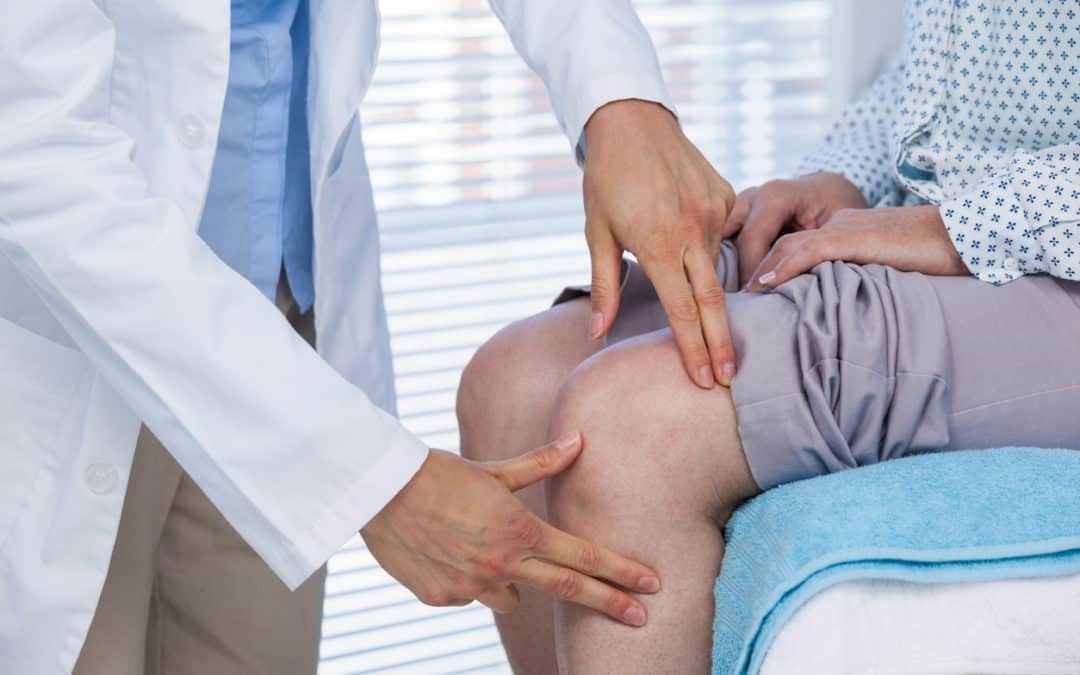
It may seem counterintuitive, but sometimes regenerative medicine specialists may purposely irritate the tissues in the joint to achieve the ultimate goal of relieving joint pain.
Using irritation to obtain pain relief sounds counterproductive. But in regenerative medicine, when an irritant solution like dextrose (sugar water) is injected into the joint, it actually triggers new tissue growth ultimately leading to long-term reductions in inflammation and pain.
The procedure is known as prolotherapy. It is a non-surgical treatment that can naturally strengthen the joint and lessen pain.
Is Prolotherapy New?
Prolotherapy is one of the first regenerative treatments to gain popularity. Modern-day prolotherapy was developed in 1937 by Dr. Earl Gedney, an osteopathic physician, and surgeon who used it to treat his own thumb injury. It is now practiced by physicians around the world to treat a number of conditions, including ligament laxity and osteoarthritis. It can provide pain relief to patients suffering from pain in the knees, shoulders, hips, ligament and tendon injuries, and SI joint.
This non-surgical treatment delivers a targeted sugar solution to the injured area which acts as an irritant and spurs the body’s own natural healing processes to strengthen and repair damaged tissues. As the supporting tissues get stronger, the joint becomes more stable, inflammation is reduced and the pain abates.
What to Expect from Prolotherapy Treatments
Prolotherapy is performed on an out-patient basis. After a thorough medical history, physical examination, and imaging tests as appropriate, the regenerative medicine specialist will determine if your condition will benefit from prolotherapy. The injection is performed using fluoroscopy (digital x-ray) or ultrasound guidance for precise delivery of the solution to the target region.
The extent of the injury will dictate the course of treatment. Multiple targeted injections may be required in each session and a series of sessions every 1-2 weeks may be necessary.
For patients suffering from joint pain, prolotherapy is a safe, natural, and non-invasive way to provide pain relief and treat the underlying injury.
Drs. Christopher Rogers and Mary A. Ambach have successfully treated thousands of patients with prolotherapy and platelet-rich plasma therapy. San Diego Orthobiologics Medical Group’s state-of-the-art facilities offer patients on-site processing and preparation of their customized treatments.
Jan 29, 2021
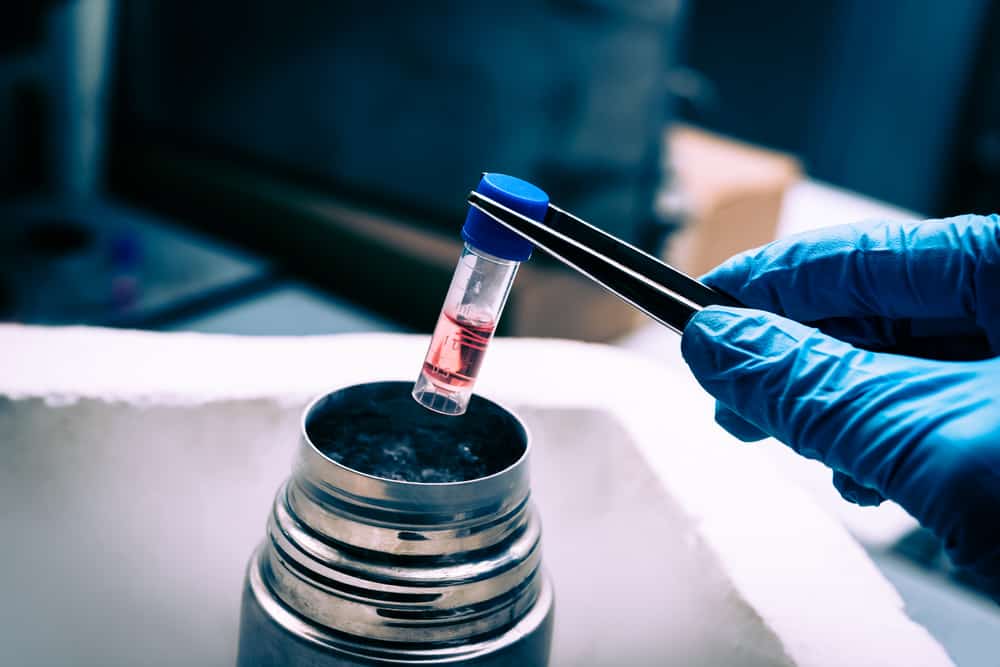
Regenerative medicine uses the natural healing capabilities of stem cells to help repair injured tissues. One of the biggest challenges facing practitioners of this exciting new medical subspecialty is helping patients understand that not all stem cells are the same.
The ABC’s of Stem Cells
Stem cells are unique because they have the ability to renew themselves and become different kinds of cells that are needed by the body. In fact, they are the only cells in the body that are capable of generating new cell types.[i] To better understand what kind of stem cells are used for orthopedic conditions, it is helpful to know that there are several different types.
Embryonic stem cells are derived from an embryo that develops from fertilized human eggs in the laboratory. They are used for research purposes only. There are no FDA approved treatments that use embryonic stem cells.
Stem cells derived from birth tissue products such as umbilical cord blood are approved for use in blood cancers and other blood disorders like sickle cell disease. However, the stem cells from umbilical cord blood and amniotic fluid are not approved by the US Food and Drug Administration (FDA) for any orthopedic indication. The safety and efficacy of these products have not been tested in orthopedic conditions and the FDA does not permit their use.
Mesenchymal stem cells (MSCs) are a specific type of adult stem cell that have the ability to differentiate into bone, cartilage and muscle cells.[ii] These stem cells are found in all tissues of our body in limited quantities, but they tend to exist in higher amounts in the bone marrow and adipose tissue (fat). For orthopedic applications, your physician may obtain these cells from your own (autologous) bone marrow or adipose tissue (fat). These tissues not only contain mesenchymal stem cells, they also contain other cells that are anti-inflammatory and regenerative. Once these cells are injected, they release hundreds of molecules that decrease inflammation, fight infection and repair injured tissues.
The Body: A Constant Work in Progress
There are more than 37 trillion cells in our body which are constantly dying and being replaced. There are more than 200 types of cells in our body and they each have different lifespans. Platelets live for a week, red blood cells live for about four months, bone and muscle cells live about 25 years, while brain cells can live a lifetime.
An injury or disease can hasten the death of cells. But often, the wear-and-tear of the natural aging process cause tissues to become damaged. Stem cell treatments enable regenerative medicine specialists to boost the body’s own natural healing abilities by bringing concentrated doses of these powerful building blocks directly to the site of injured or degenerated joint, cartilage or tissue.
Although regenerative medicine is a relatively new specialty within the field of orthopedics, cell-based treatments have been shown to be an effective non-surgical option for patients who have failed standard treatments or want to avoid surgery.
By combining the body’s own powerful healing capabilities with the latest in scientific and medical technology, orthopedic stem cell therapies provide lasting pain relief and help patients live their life fully.
Drs. Christopher Rogers and Mary A. Ambach have been providing cellular treatments for orthopedic conditions for more than three decades. Their clinical outcome data reveals that the majority of their patients are satisfied and successfully respond to these orthobiologic therapies which also demonstrate excellent safety.
[i] https://www.mayoclinic.org/tests-procedures/bone-marrow-transplant/in-depth/stem-cells/art-20048117
[ii] https://www.mayo.edu/research/labs/bone-injury-repair/research/mesenchymal-stem-cell-biology
