Mar 8, 2023
Chronic pain can affect your quality of life. Pain is considered to be chronic when it lasts longer than 3 months without any indication of improvement. Chronic pain can compromise your mobility, flexibility, and strength, affecting your day-to-day activities which can also lead to mental health issues.
Chronic pain can result from an injury or an underlying condition. The first step in treating chronic pain is identifying the root cause of the pain. Your physician will perform a thorough history, and physical exam and order imaging studies to help determine the pain source.
There are many conventional treatments for chronic pain, but many treatments just mask the symptoms, and surgery may be too invasive or unnecessary. Fortunately, there are minimally invasive treatment options for chronic pain.
Minimally invasive procedures for chronic pain management are less invasive than surgery, hence less pain and recovery time. The goal of these procedures is:
- To help stimulate healing of the underlying injury.
- To reduce the pain symptoms.
- To help the patient return to an active lifestyle and improve quality of life.
Available Minimally Invasive Procedures:
Prolotherapy
This procedure involves injecting dextrose solution to injured areas to stimulate the body to heal. It works by creating a mild inflammatory response, which helps to initiate the healing and strengthening of injured ligaments and tendons.
Platelet Rich Plasma (PRP) injections
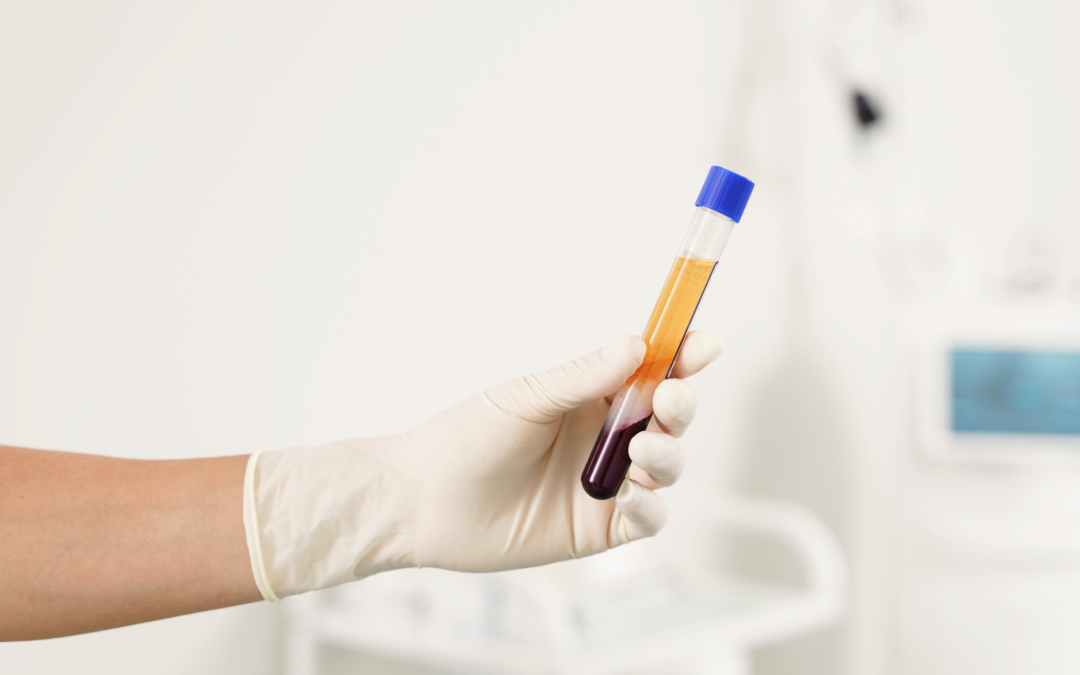
Platelets are tiny cells in your blood that contain growth factors that are critical to healing. PRP is a concentrated sample of your own blood containing a high number of platelets. PRP can be injected to injured areas of your body to promote tissue regeneration, decrease inflammation, and encourage new blood vessel formation.
Bone marrow or Adipose (fat) derived cell therapy
Your bone marrow and adipose (fat) are a rich sources of mesenchymal cells, growth factors, and other cells that have tremendous potential for healing and restoring injured tissues. Through a simple outpatient procedure, your bone marrow or fat can be harvested, processed, and re-injected to injured areas of your body on the same day to stimulate healing and repair.
Final Thought
Chronic pain can affect your general well-being, but it doesn’t have to remain that way. Please fill out the form below and visit our website to learn about alternative ways to manage chronic pain.
Jan 5, 2023
Recent research in the medical field has unearthed the body’s power to regenerate and repair injured tissue. Doctors continue to learn more about Platelet-Rich Plasma (PRP) therapy, which uses of a patient’s blood to catalyze healing. PRP has gained popularity in treating injuries amongst athletes as well as relieving chronic pain.
This article walks you through PRP Injection therapy and answers some common questions regarding this treatment.
What Is Platelet-Rich Plasma (PRP) Injection Therapy?
Plasma is the liquid portion of blood, which carries platelets, red blood cells, and white blood cells, as blood circulates the body. Platelets are responsible for forming blood clots to stop bleeding and promote healing when blood vessels are injured.
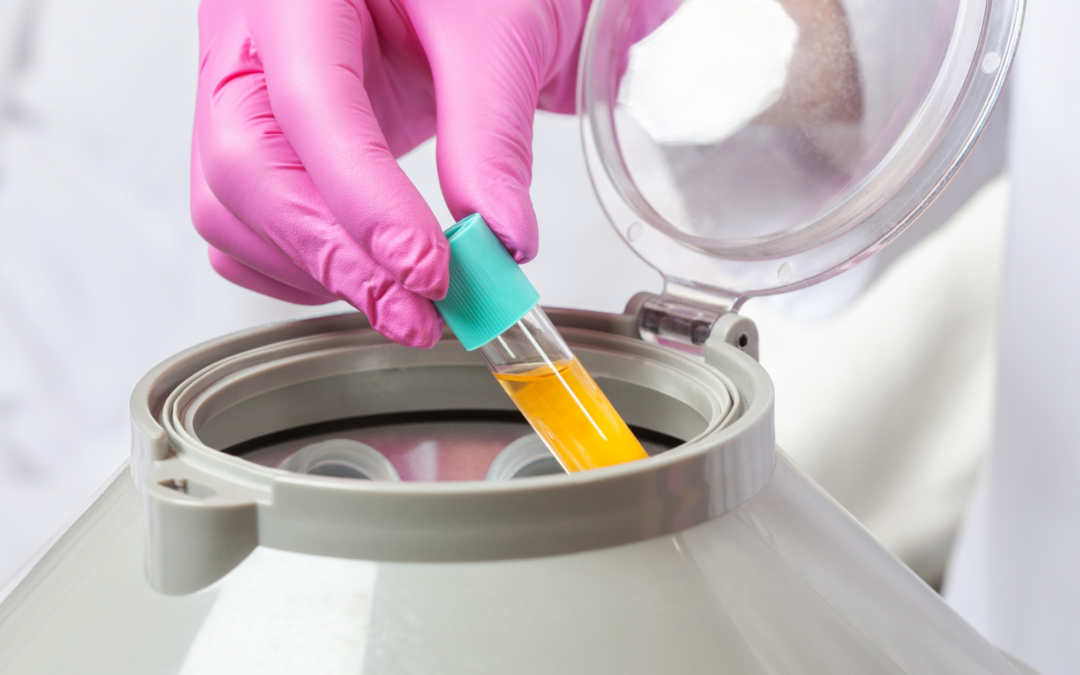
PRP injections leverage the restorative functions of platelets. The patient’s blood is drawn to concentrate the platelets. This is achieved by running the blood through a centrifuge to separate other blood components and obtain a plasma solution rich in platelets.
The concentrate is then administered to the patient by injecting it into the injured body tissue to speed up healing. The injected platelets release growth factors that catalyze the repair of damaged tissues.
What Conditions Are PRP Injections Good For?
Scientists continue to research ways in which PRP injections can be effectively used to foster healing in the body. Physicians use PRP injections in the following areas:
Healing Damaged Tendons
Doctors administer PRP injections to hasten the healing of tendons that would ordinarily heal slowly. Common acute tendon injuries include Achilles tendonitis, golfer’s elbow, tennis elbow, and jumper’s knee, among others.
Osteoarthritis
PRP injections are used to treat osteoarthritis in multiple joints, such as knees, hips, and shoulders. A study that involved a group of 160 individuals with knee osteoarthritis showed that PRP injections yielded better results when compared with hyaluronic acid injections (also known as gel injections), which is a conventional regimen used to treat osteoarthritis.
Recovery of Post-Surgery
Doctors may administer PRP injections to help heal ligaments and tendons after surgery. That way, they fast-track the body’s healing process.
Injuries Among Athletes
Health practitioners have used PRP therapy to tackle soft tissue injuries, such as ankle and knee sprains, and strained hamstring muscles among athletes.
What Happens During A PRP Injection Procedure?
- A blood sample is drawn from the patient’s arm.
- The blood is placed in a centrifuge to separate the various blood components.
- The isolated platelet-rich plasma is prepared for injection into injured tissues.
- The doctor administers PRP Injection to the affected area using image guidance to ensure proper injection placement, including ultrasound or fluoroscopy.
What Are the Side Effects of a PRP Shot?
PRP injection therapy is safe given that it uses the patient’s own blood. Possible side effects are those associated with other injections which include:
- Pain from the injection
- Bleeding
- Injury to nerves
- Infection
If you’re looking for safe relief from chronic pain, then PRP Injection therapy is an option worth trying. Contact us at San Diego Orthobiologics Medical Group for your consultation and PRP injection with professional healthcare practitioners. Our physicians will help you navigate various medical options to manage chronic pain and find quicker recovery.
Oct 13, 2022
As one the largest joints in the body, the knees often suffer the most from the wear-and-tear that comes with a lifetime of use (or abuse). Whether damaged by an injury such as a ligament or tendon tear, or simply worn down by years of standing, running, jumping, lifting, etc., the result is often the same: chronic pain, inflammation, and reduced movement.
Depending on the extent of the injury or damage to the knee, patients can often gain some temporary relief from steroid injections that decrease swelling or from other interventional treatments such as hyaluronic acid injections that increase lubrication in the joint. But when these options have been expended, many look to surgery as their last, best hope to repair the damage and bring sought-after pain relief.
But now, non-surgical cellular treatments are providing long-term relief to patients with knee pain by putting the body’s own natural healing abilities to work to undo the damage brought on by injury or degeneration.
How Do Cellular Treatments Work?
Known as regenerative medicine, cellular treatments harness powerful healing properties within the body’s building blocks—its own cells—to help repair and, in some cases, replace injured tissues. These treatments promote healing of injuries to the cartilage in the knee joint, as well as soft tissues such as tendons and ligaments in the knee.
To adhere to Federal Food and Drug Administration (FDA) guidelines, only autologous (from the patient’s own body) cellular products can be used to treat orthopedic conditions. Donor products, including cord or amniotic cells, are not approved to treat knee osteoarthritis or soft tissue injuries in the knee.
Cellular products are taken from the patient’s own blood, bone marrow, or fat (adipose) tissues to maximize the benefits of their unique healing properties:
- Platelet Rich Plasma: Platelets in blood release growth factors and proteins that promote tissue repair, while the plasma carries the hormones, electrolytes and nutrients required to nourish cells during the healing process. Platelet rich plasma treatments can be customized to create specific formulations for each type of tissue being treated (muscle, tendon, ligament, cartilage).
- Cellular Therapy: Cells derived from the patient’s own bone marrow or adipose (fat) tissue called “pericytes” produce molecules that spur the production of new blood vessels, awaken other stem cells and encourage newly forming cells to produce collagen and other proteins essential for creating new healthy tissues. These specific cells can develop into the specific kind of cell needed, whether that be tendon, ligament, cartilage, or bone.
After these products are removed from the patient, they are concentrated and reinjected directly to the injured area to address the degeneration or injury.
Do Cellular Treatments for the Knees Work?
Regenerative medicine practitioners have scores of anecdotal evidence from satisfied patients that support the powerful pain-relieving and healing properties of cellular treatments for the knees.
But because the field of regenerative medicine is relatively new, until recently, there has been a limited amount of clinical data to bolster this anecdotal evidence. We believe the quantitative, controlled data that clinical trials will produce will not only further the use of cellular treatments for orthopedic conditions but will also confirm what hundreds of our satisfied patients have been telling us for years: cellular treatments have helped their bodies heal naturally while allowing them to resume the activities that help them regain their quality of life.
The experts at SDOMG help patients with knee injuries and knee osteoarthritis find the relief they need using expert technology and treatments. To learn more about cellular therapy for knee injuries, contact SDOMG using the form below.

Jun 10, 2022
Many people develop “tennis elbow” due to repetitive strain or stress on the elbow. Tennis elbow, also called lateral epicondylitis, is a common ailment among athletes and patients that perform activities requiring repetitive elbow movement, lifting heavy loads, or using hand tools. The condition may cause elbow pain and stiffness that worsens with wrist extension and gripping.
Patients are regularly treated through over-the-counter anti-inflammatory medications, application of cold packs, exercise therapy, and braces. Unfortunately, tendons have a rather poor blood supply causing a prolonged healing period. Platelet-rich plasma (PRP) therapy has emerged as a very popular, effective treatment for tennis elbow.
What is PRP Therapy?
Platelet-rich plasma (PRP) therapy is a safe, unique, and effective procedure used to treat musculoskeletal injuries. PRP involves injecting a high concentration of the patient’s own platelets to accelerate the healing of injured muscles, joints, tendons, and ligaments.
The plasma is separated from other blood cells in a centrifuge and injected into the patient’s injured tissues. The injection is done using ultrasound imaging guidance.
PRP Therapy as a Tennis Elbow Treatment
Elbow tendonitis conventional treatments may not be effective. Platelet-rich plasma (PRP) injections speed up the healing process and have become one of the most successful treatments for tennis elbow.
PRP therapy boosts the patient’s natural healing process to repair injured tissue. There are proteins, also known as growth factors, found in platelet-rich plasma that assist in the healing of the elbow tendons. PRP stimulates the release of anti-inflammatory growth factors and promotes collagen synthesis. According to research, tennis elbow patients who got PRP therapy improved by 71 percent in up to 24 weeks, compared to 56 percent in the control group. In addition, PRP has a reduced chance of side effects because it comes from the patient’s blood.
Recovery Time after PRP for Tennis Elbow pain
PRP-treated patients should expect some pain relief after 3-4 weeks and anticipate major improvements at 6-12 weeks. The patient’s healing rate may differ depending on the severity and duration of the condition. A study suggests that PRP was associated with more improvement in pain intensity and function in the long term compared to corticosteroid shots.
Why Choose PRP Therapy?
Platelet-rich-plasma therapy is now a popular regenerative injection that is effective in healing tennis elbow. PRP treatment for lateral epicondylitis has various benefits. PRP therapy is a convenient, quick, in-office process that offers long-term relief for tennis elbow pain. In addition, PRP treatment uses your own blood, so there is no risk of allergic or immune reaction, and no non-natural substance is introduced into your body.
Bottom Line
PRP injections stimulate the release of anti-inflammatory growth factors that boosts tendon regeneration. In addition, PRP therapy promotes collagen synthesis, which plays a major role in healing the damaged tendon.
PRP therapy is a game-changer in the medical field used to address musculoskeletal pain without opting for surgery. PRP therapy is a viable treatment for your tennis elbow condition. Please fill out the form below to contact our team.
May 27, 2022
Orthobiologics is a combination of words: “ortho” refers to the body’s musculoskeletal system (muscles, bones, joints, ligaments, and tendons), and “biologics” refers to naturally derived substances used to heal parts of the body. Orthobiologic treatments can be used to harness the body’s ability to heal itself to restore or establish normal function. Within the field of orthopedics, these specific treatments hold great promise for helping patients with injuries or degeneration in the musculoskeletal system.
When joints, ligaments, tendons, or discs are damaged, it can lead to chronic pain in the:
- Lower Back
- Knees
- Hips
- Neck
- Feet and ankles
- Hands and wrists
- Elbows and Shoulders
Orthobiologics promote healing and stimulate growth of new healthy tissues. When the underlying cause is treated, pain improves or resolves.
How Do Orthobiologics Work?
Orthobiologic treatments for orthopedic conditions use the patient’s own blood and cells (known as autologous products) to kick-start the body’s own healing processes. These biologic products are collected from the patient and concentrated to isolate the healing proteins, molecules, and nutrients they contain. These super-healers are then re-injected into the exact site of the damaged tissue to encourage new cell growth and healing.
Limitations on Cellular Treatments by the FDA
The U.S. Food & Drug Administration (FDA) does not allow the use of embryonic or blood cord products for treating orthopedic conditions. The FDA also banned certain language and vague advertising regarding these types of products that in the past have opened doors to illegal markets cell-buying and procedures that are potentially dangerous to patients.
Skilled certified physicians can use the following autologous (from your own body) cellular products to treat musculoskeletal problems, provided they follow the FDA’s guidelines for safety and efficacy:
- Platelet Rich Plasma: Platelets in the patient’s own blood release growth factors and proteins that promote tissue repair, while the plasma carries cytokines and nutrients required to nourish cells during the healing process.
- Cellular Therapies: A specific type of cells, called mesenchymal cells, taken from the patient’s own fat tissue (adipose) or bone marrow, have the unique ability to develop into the specific kind of cell needed to promote healing and possess molecules that direct other cells in the injured area to form new blood vessels, awaken other cells, and encourage newly forming cells to produce collagen and other proteins essential for creating new healthy tissues.
Because the platelet-rich plasma and mesenchymal cells are taken directly from the patient and delivered back to them, they do not present the risk of allergic reactions or some infections seen with donor products.
Are PRP and Cell Therapies Painful?
For many years, patients with unresolved chronic orthopedic pain were left to consider surgery as their best hope for long-term pain relief. But with advancements in regenerative medicine, some patients can avoid major surgery and lengthy rehab.
Orthobiologic treatments are conducted with needles. Blood plasma and mesenchymal cells are aspirated (removed via a needle) and reinjected through a needle. There are no large incisions, which means the risk of bleeding and infection is significantly reduced. It also means that the procedures can be performed on an outpatient basis, and recovery begins at home within hours of the treatment.
Best of all, patients can enjoy long-lasting pain relief and enjoy an improved quality of life without chronic pain.
Ask the Right Questions, Get the Best Results
When considering regenerative medicine to treat orthopedic conditions, patients should make sure:
- The physician performing the procedure is board-certified
- Advanced centrifuge technology is used to prepare the cellular products so that they offer the highest possible concentrations of healing properties.
- Treatments are given under fluoroscopic (X-ray) or ultrasound guidance to ensure precise delivery of the regenerative products to the exact site of the injury.
- The practice acknowledges and strictly follows FDA guidelines for the use of cellular products to treat musculoskeletal damage.
The best outcomes occur when the patient understands the benefits of regenerative treatments and knows the right questions to ask prior to the procedure.
SDOMG is a state-of-the-art practice focusing on Orthobiologics to treat orthopedic conditions. To learn more about the procedures they provide, visit their website or fill out the form below. We look forward to helping you regain your quality of life.

Feb 6, 2022
Whether due to degenerative arthritis or injury, the Agency for Healthcare Research and Quality reports that more than 450,000 total hip replacements are performed in the United States every year.[i]
Even though this is major surgery and requires hospitalization and lengthy rehab, many patients who suffer from chronic hip pain believe they have no other options.
Thanks to the advances in the field of regenerative medicine, they do.
Why Do My Hips Hurt?
Hip degeneration or tissue damage can result in pain, tenderness, “clicking” and reduced range of motion. Pain can be localized in the front, side, or back of the hip.
Hip pain can have many causes, including:
- Degenerative osteoarthritis. Occurs when the cartilage between the bones of the hip joint begins to break down, usually with age.
- Tendon tears and tendinosis. Overuse may result in a tear or degeneration of the tendons, the thick bands of tissue that attach the hip bones to neighboring muscles.
- Muscle or tendon strains. Often the result of repetitive motions that stretch the muscles, tendons, and ligaments that support the hips.
- Hip labral tear. The labrum is a ring of cartilage that covers the outside rim of the hip socket. It cushions the joint and helps hold the femur (thighbone) ball within your hip socket. Anyone who makes repetitive twisting movements of the hip joint can develop labral tears.
- Obesity. Carrying extra weight puts tremendous pressure on the hips and can significantly hasten joint degeneration.
- In some cases, congenital abnormalities may also cause hip pain, as can previous surgery or trauma.
Using the Body’s Natural Healing Abilities to Treat Hip Pain
For those suffering from chronic hip pain, regenerative biologic therapies are providing new hope for pain relief without major surgery.
Regenerative medicine specialists use the natural healing properties in the patient’s own cells to stimulate healing of damaged tissues, reduce inflammation, and in some cases, promote the growth of new cells.
There are two types of regenerative biologic therapies used in clinical practice to treat orthopedic conditions, including hip pain.
- Platelet Rich Plasma (PRP): A concentrated solution of platelets derived from the patient’s own blood which contains a significant amount of growth factors and proteins that promote tissue regeneration, decrease inflammation, and encourage blood vessel formation.
- Cell-Based Therapies: Cells taken from the patient’s own fat tissue (Microfragmented Adipose Tissue) or bone marrow (Bone Marrow Aspiration Concentrate) which contain adult stem cells that have the unique ability to renew themselves and develop into other cell types which promote tissue healing. These cells control pain, decrease inflammation, and fight infection.
How are these Biologic Therapies Performed?
Biologic therapies are injection procedures. Blood, bone marrow, or fat tissue is collected and processed, and then injected into the injured tissue on the same day. These procedures are performed on an out-patient basis and recovery begins at home within hours of the treatment. There are no large incisions, no lengthy hospitalizations, or rehab stays involved.
Most hip tendon injuries and osteoarthritis respond well to these orthobiologic treatments. Factors such as the degree of injury or degeneration, as well as the patient’s overall health, can impact the final outcomes, but for patients weighing invasive surgery, orthobiologics can provide an option for pain relief and healing without surgery.
To learn more about healing hip pain with biologic therapies, fill out the form below to learn more:
[i] https://orthoinfo.aaos.org/en/treatment/total-hip-replacement/
